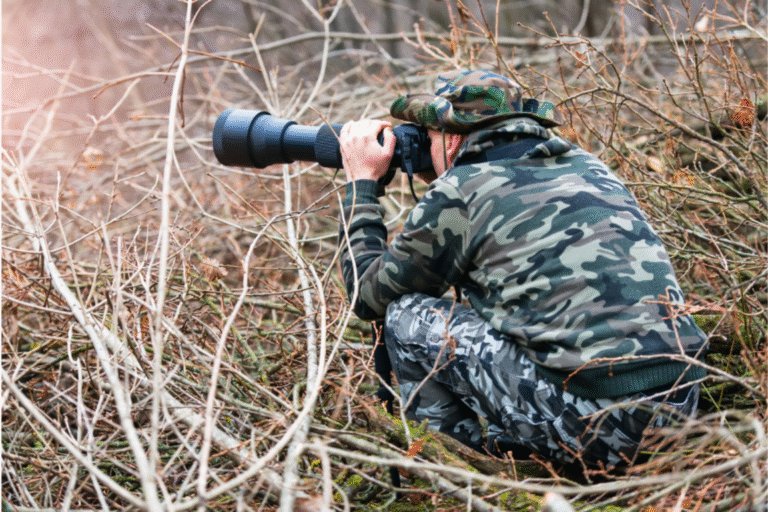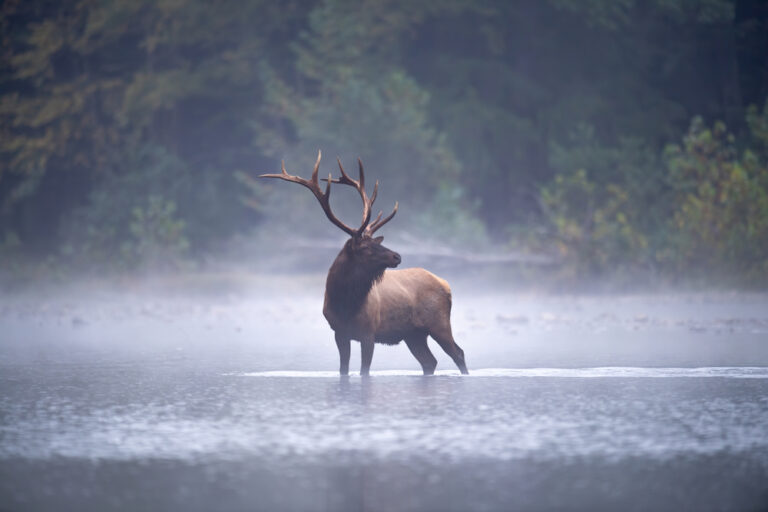
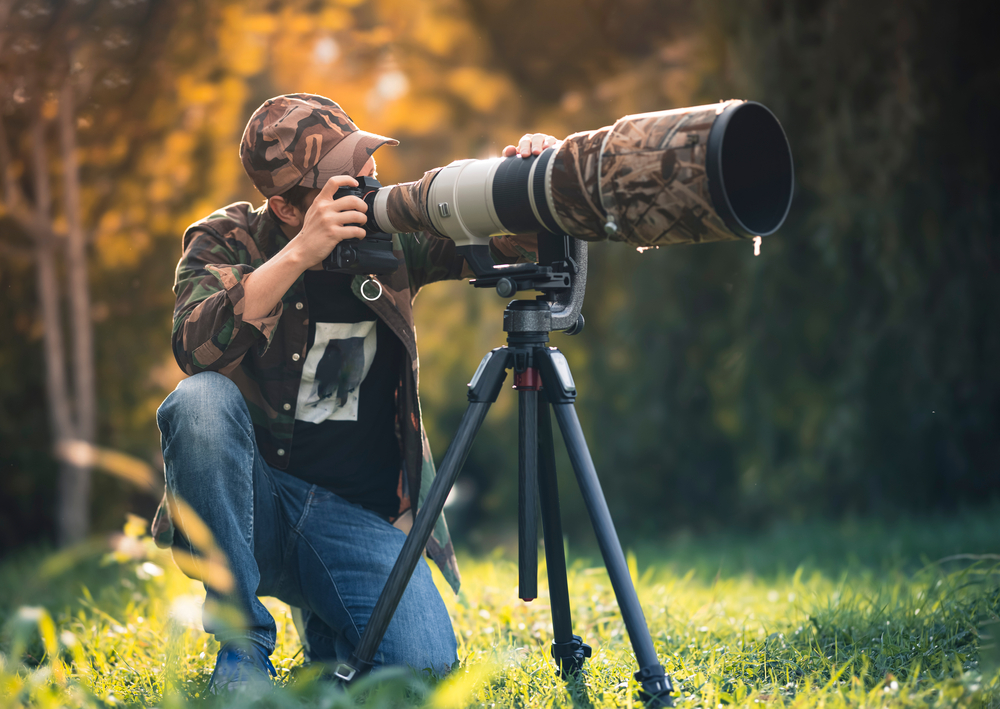
Choosing the Best Lenses for Wildlife Photography
PhotoWild Gear’s Field-Tested Guide for Capturing the Wild Side of America
Selecting the right wildlife photography lens can dramatically expand what you’re able to capture. From the fine detail of a bird perched on a branch to powerful, fast‑moving subjects that appear and vanish in an instant. Accordingly, this guide breaks down the best lens options for Canon, Nikon, Sony, and OM System cameras. This will give you the clarity and confidence to choose the glass that truly fits your style in the field.
Wildlife photography is unpredictable by nature. One moment you’re quietly waiting in a blind, listening to the prairie wake up. Next, a bison herd is thundering across the plains, dust rising like a curtain behind them. Or you could be tracking a bald eagle as it dives with perfect precision toward the water. A split‑second opportunity that demands both skill and the right lens. Indeed, these scenes unfold fast, and your gear needs to keep pace.
In the wild, nothing poses. Nothing repeats. Whether it’s the explosive jump of a whitetail or the quiet prowl of a coyote slipping through dusk, your lens is your lifeline. Consequently, the more prepared you are, the more magic you bring home.
These are the moments that define the craft, and the reason your lens matters as much as your timing.
Welcome to the PhotoWild Gear Best Wildlife Lens Guide
No matter where you are in your wildlife photography journey, just starting out, leveling up your gear, or already seasoned from years in the field, there’s something here for you. Indeed, wildlife photography is a craft that evolves with every outing, every missed shot, every unexpected moment that catches you off guard and teaches you something new.
Photography has been part of my life since my pre-teen years, and well before I understood the first thing about f-stops or focal lengths. That early curiosity followed me for decades. Through a Nikon FG loaded with film, a Bronica medium format camera, and it was still there when I made the leap into digital photography with a Nikon D7500 and a kit lens. At that point, I was fueled by enthusiasm and a deep love for wildlife. However, I was overwhelmed by the sheer number of lens options and what the numbers meant. Admittedly, I didn’t yet understand how much there was to explore, or how much the right glass could change everything. Ultimately, that discovery process is part of what makes this adventure so rewarding.
And here’s the thing about lens shopping
Everyone wants to jump straight to “which lens should I buy?” But the real question is bigger than that. Choosing the right lens for wildlife photography comes down to a handful of decisions that work together. For example, aperture, focal length, and whether to go with a prime or a zoom. Get one of those wrong, and the others can’t save you.
So, let’s break it down piece by piece, starting with the one that trips up more photographers than any other: aperture. After that, we’ll get into focal length and what it actually means for how close you can get to your subject, followed by prime vs. zoom, and a rundown of lens types: wide-angle, standard, telephoto, and super-telephoto, so you know exactly what each is built for in the field. Once we’ve covered that groundwork, we’ll get into the fun part: actual lens recommendations for whatever camera system you’re shooting on.
How It All Started – A Chance Encounter on the Side of the Road
It began on a day when my enthusiasm far outweighed my experience. I was headed to a wildlife reserve, dragging a couple of friends along for moral support as I ventured deeper into this new passion. On the drive in, we spotted a photographer set up on the roadside, a serious lens trained on a great egret in the marsh below. Curiosity got the better of me. I pulled over. We talked. And that simple decision changed my photography forever.
Consequently, that photographer became my mentor and, eventually, my photography buddy. He looked at the tiny 18–140mm kit lens on my camera, laughed, and handed me his 200–500mm. “Try this,” he said. I did, and I was hooked. He broke down the difference between f/2.8 and f/4.5–6.3 glass. He explained why those numbers matter at dawn, in golden hour, and in early-morning mist. In other words, those magical windows when wildlife is most active, and light is most challenging. These were lessons no spec sheet could ever teach. Not long after, I bought a 200-500mm lens of my own.
From One Lens to an Obsession
From there, I dove in completely. In fact, I read and watched everything I could find, attended workshops and classes, and practiced relentlessly. I made every mistake a wildlife photographer can make, with lenses and just about everything else, and I’m still learning every time I step into the field.
With that experience behind me, I’m now passing along what I’ve learned: the lenses that truly perform in real conditions, how light interacts with your glass, where to buy new, and where the used market offers incredible value for photographers at any stage of their journey.
That chance meeting shaped everything. Unquestionably, I’m grateful for the mentorship and the friendship. Then there are the countless adventures since, bogs, freezing mornings, blistering hot days, chiggers and other nasties, and all the unpredictable lessons the wild throws at us. Every outing teaches you something new about being prepared for wildlife photography.
Top Wildlife Lens Picks
Let’s talk about something that took me too long to fully understand, specifically aperture and what it actually means for wildlife photography in the real world.
That kit zoom lens – the one that came with your camera or cost a few hundred dollars – probably opens to f/4.5 at its widest and f/6.3 at its longest. In bright daylight, that’s absolutely fine. As a result, your images will be sharp and well exposed, and you’ll be happy.
However, wildlife photography doesn’t always happen in bright sunlight. In fact, the best wildlife photography almost never does. For example, dawn and dusk, the golden hours, are when animals are most active and most beautiful to photograph. Furthermore, dense forests, overcast days, and stormy skies are where some of the most dramatic images are captured.
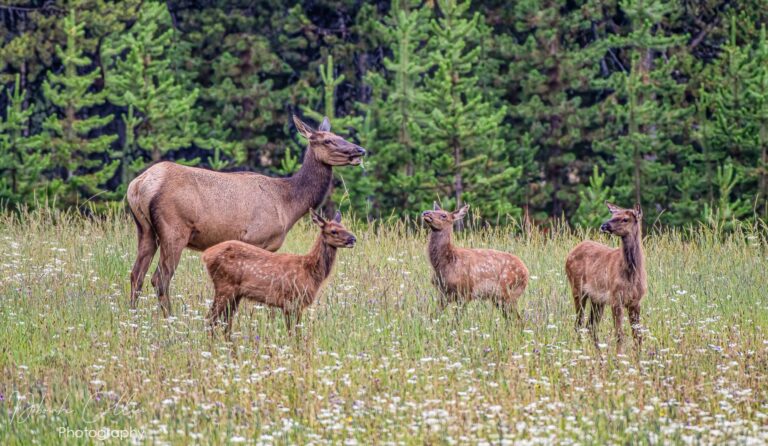
I’ve stood at the edge of a river at dusk in Yellowstone National Park, watching elk move through the meadow in the last of the golden light, and felt the absolute frustration of a lens that simply couldn’t gather enough light to give me the shutter speed I needed. As a result, those shots were softer than I wanted. Even so, it’s a feeling you remember, and it’s the moment most photographers start seriously thinking about faster glass.
At f/6.3 in low light, you face a painful choice: raise your ISO and introduce grain, slow your shutter speed and risk blur, or miss the shot entirely. However, a lens that opens to f/2.8 or even f/4 lets in significantly more light. As a result, you can keep your shutter speed fast enough to freeze action and your ISO low enough to maintain clean images, even as the light fades.
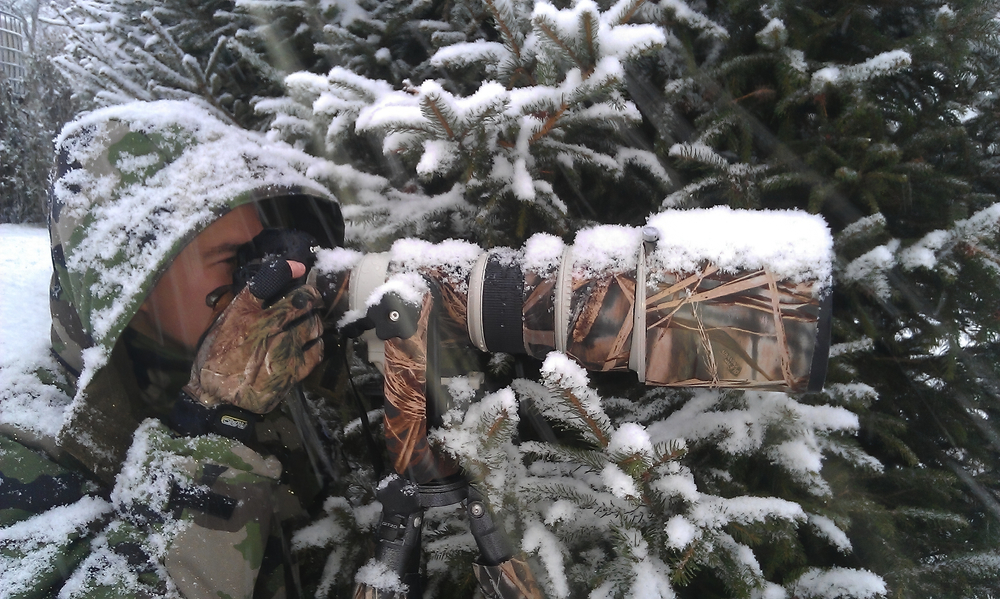
Importance of Focal Length in Wildlife Photography
Bringing Wildlife Closer-Without Getting Too Close
When it comes to wildlife photography, focal length is often considered the most critical element in choosing the right lens. Why? Simply put, it directly influences how close your subject appears in the frame, without you needing to physically approach the animal, which could disturb its behavior or even put you in harm’s way.
I remember the first time I looked through a 200-500mm lens on the side of the road, and what struck me wasn’t just the reach. It was the ethical dimension of that reach. I could photograph an egret going about its completely natural, undisturbed behavior from a distance that fully respected its space. Furthermore, that’s what focal length really gives you, not just reach, but responsibility.
What Is Focal Length, and Why Does It Matter?
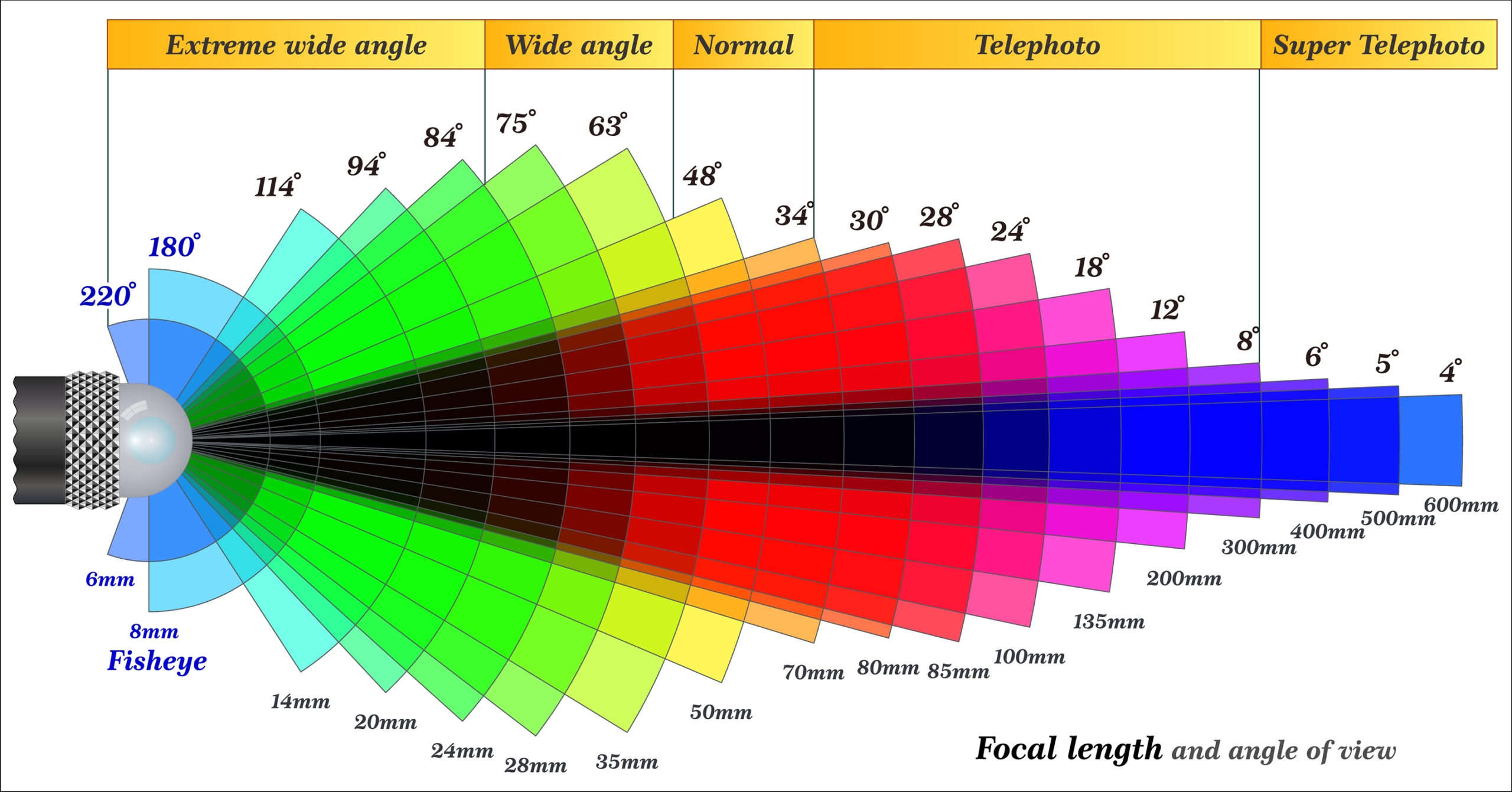
Focal length, measured in millimeters (mm), determines two key aspects of your image:
- Subject magnification – how large or close your subject appears in the photo.
- Field of view – how much of the surrounding scene is included in the frame.
Notably, these two points are particularly important in wildlife photography. Specifically, a longer focal length allows you to photograph animals from a safe distance without sacrificing detail, while also helping to isolate the subject from its background.
Let’s break down how different focal lengths behave – and what types of shots they’re best suited for.
Super Telephoto Lenses (300mm and Above)
Perfect for Distant Wildlife and Intimate Close-Ups
Once you enter the 300mm+ territory, you’re working with super telephoto lenses – the go-to choice for most wildlife photographers. These lenses are essential once you enter the 300mm+ territory, you’re working with super telephoto lenses. They are the go-to choice for most serious wildlife photographers, me included. Consequently, these lenses are essential when photographing elusive or distant animals, such as birds in flight, wolves, or moose on the move across a valley.
Examples:
Prime lenses – 400mm, 500mm, 600mm, 800mm Zoom lenses 100-400mm, 150-600mm, 200-500mm, 200-600mm
- Allows for safe, ethical distancing from wildlife
- Produces a narrow field of view that isolates your subject beautifully
- Creates a compressed perspective, where the background appears closer and more blurred — ideal for drawing attention to your subject
- At 600mm you can fill the frame with a perched hawk from over 50 feet away, capturing intricate feather details without moving closer and risking disturbing the bird
Super telephoto lenses come in two main types: prime and zoom, and each earns its place in a working photographer’s bag for different reasons.
- Prime lenses: such as a 600mm f/4, offer exceptional image quality, wider apertures, and superior sharpness. The trade-off is a fixed focal length, so you’ll be moving your feet, not your zoom ring, to change your framing.
- Zoom lenses: such as 100-400mm, 150-600mm, or 200-500mm (my go-to for telephoto work), offer real flexibility in the field. When an animal is closing distance on you, or you’re working from a blind where repositioning isn’t an option, being able to zoom out fast can save a shot a prime lens would force you to miss entirely.
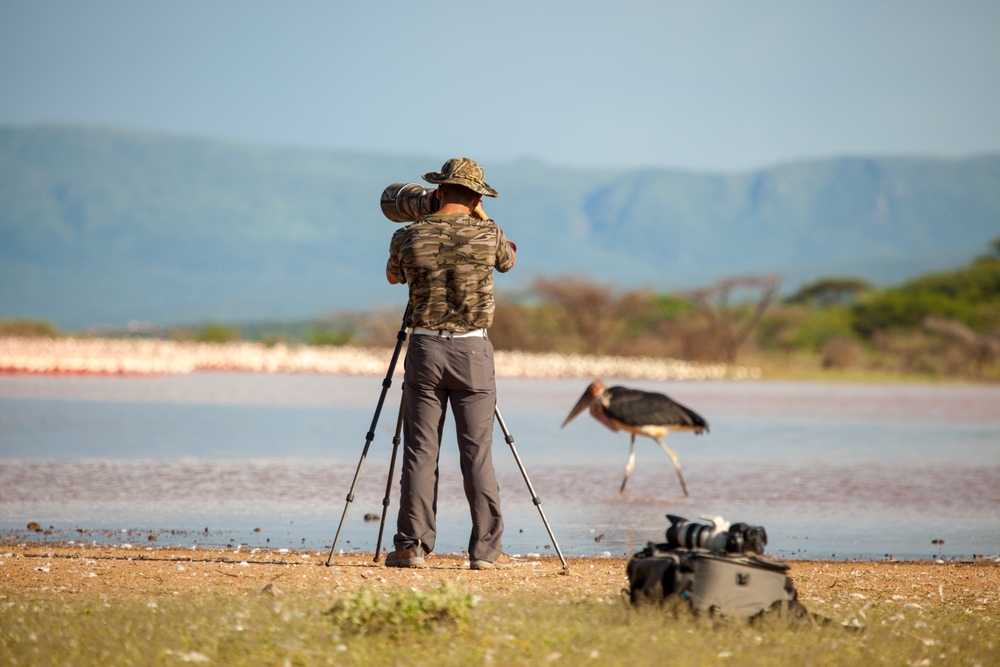
Choosing between prime and zoom at this range comes down to your budget, your shooting style, and, honestly, your back. These lenses get heavy fast, and a monopod or gimbal head isn’t a luxury once you’re spending hours tracking movement at 500mm and beyond.
Medium Telephoto Lenses (70mm–300mm)
A Versatile Range for Closer Subjects and Habitat Shots
As you move down in focal length, medium telephoto lenses offer increased versatility. Furthermore, they’re great for photographing deer, bison, or foxes at moderate distances. It also allows you to include more of the surrounding landscape in your shot.
Examples: 70-200mm, 100-400mm, 70-300mm
In practice:
- Strikes a balance between reach and compositional context
- Easier to handhold compared to super-telephotos
- Great for dynamic framing – zoom in tight or pull back for environmental portraits
- At 200mm you can photograph a bear fishing near a riverbank while still capturing the water, trees, and light that tell a fuller story
Normal Lenses (35mm–70mm)
What the Eye Sees – And Sometimes More
While not a typical first choice for wildlife work, normal lenses have a place. For example, they are particularly useful for photographers working in controlled environments or photographing larger, more approachable animals. These lenses approximate the human eye’s field of view, making images feel grounded and natural.
Examples: 50mm prime, 35mm f/1.8, 40mm pancake
In practice:
- Lightweight and discreet
- Natural-looking perspective with minimal distortion
- Best used for environmental storytelling rather than wildlife close-ups
Wide-Angle Lenses (Below 35mm)
Wide Views for Big Landscapes—and Small Wildlife
Rarely the focal point of a wildlife photographer’s gear bag. However, wide-angle lenses have a unique creative role. While they lack the magnification needed for close-up shots they’re excellent for environmental storytelling where the landscape plays just as big a role as the animal.
Examples: 24mm, 16-35mm zoom, 14mm ultra-wide
In practice:
- Emphasizes the habitat and scale of the scene
- Ideal for dramatic skies, sweeping plains, or forest compositions
- Can be paired with remote triggers for capturing animals up close in wide context
- Imagine photographing a herd of bison on the open plains of Yellowstone at 24mm, and ultimately capturing not only the animals, but the grandeur of the setting sun behind them
How to Choose the Right Focal Length for Your Wildlife Photography
Whenever you are choosing your ideal focal length, consider these practical factors:
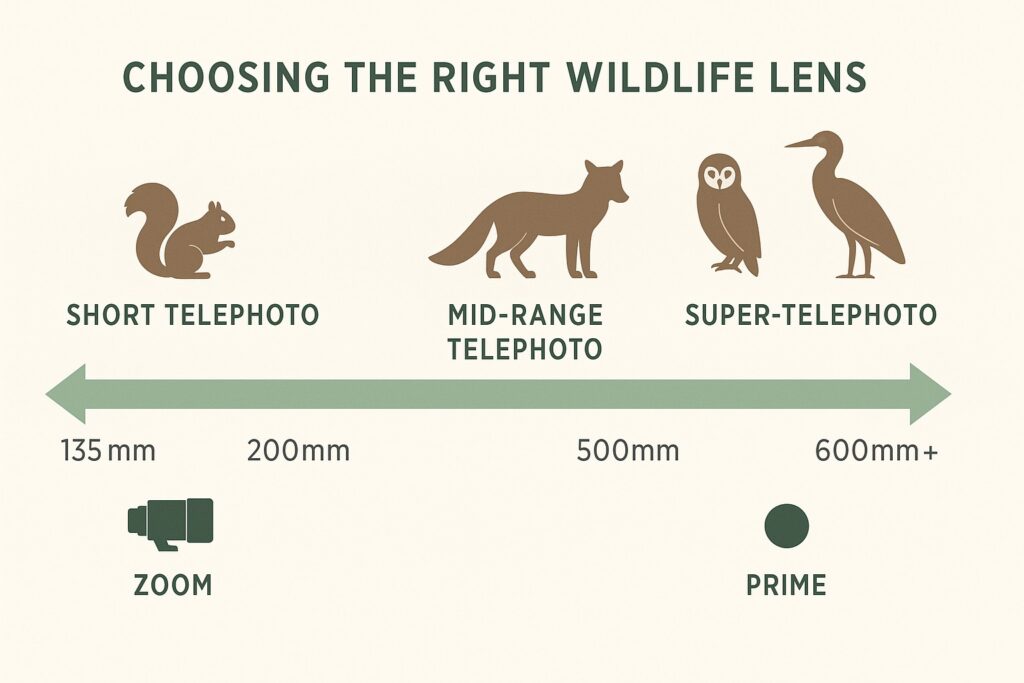
- Subject type — birds usually require 500mm+, larger mammals may be captured well at 200-400mm
- Habitat access — shooting from blinds, vehicles, or hiking trails may make longer focal lengths essential
- Style preference — do you prefer tight animal portraits or wider storytelling compositions?
- Camera sensor size — crop sensor cameras provide extra reach through the crop factor multiplier
The Bottom Line on Focal Length:
- 800mm+ — the ultimate reach for the most distant or skittish wildlife, birds in flight, and professional-grade results. In other words, a serious investment but unmatched in performance
- 400-600mm — the sweet spot for most serious wildlife photography
- 200-500mm — the ideal starting point for photographers entering super-telephoto territory — and the focal length that changed everything for me personally
- 100-400mm — versatile, practical, great for larger mammals and environmental shots
- 70-200mm — a valuable companion lens for habitat shots and closer subjects
Focal length is more than just a number. It’s a powerful part of your wildlife photography gear.
For instance, longer focal lengths are ideal for close-up shots of animals like a red fox at golden hour.
In contrast, wide-angle lenses capture expansive scenes, such as elk grazing under stormy skies in a dramatic landscape.
Clearly, understanding focal length helps you create stronger, more compelling wildlife images. No matter your experience, choosing the right focal length enhances your wildlife photography gear setup.
Ultimately, it allows you to make the most of every wild encounter and capture unforgettable moments in nature.
Why Aperture Matters in Wildlife Photography
Conquering Low Light (f/2.8 vs f/5.6)
When it comes to wildlife photography, capturing the perfect shot can be challenging. This is especially true when shooting at dawn, dusk, or in dense forests where light is scarce. In these situations, having a lens that can handle low-light conditions is essential. To achieve this, you need a wider aperture, which is indicated by a lower f-stop number.
A wider aperture allows more light to reach the camera sensor, resulting in sharper photos. For example, an f/2.8 lens gathers significantly more light compared to an f/5.6 lens (roughly one stop of light). This increased light intake lets you use a faster shutter speed, which is crucial for freezing action and capturing sharp photos. With a faster shutter speed, you can freeze action and capture sharp photos even in low-light conditions.
Beautiful Blur: Bokeh (f/4 vs f/8)
Using a wider aperture when taking photographs can result in a more attractive background blur, also known as bokeh. This blur helps to separate the subject from its surroundings, making it stand out more.
For example, in a wildlife portrait, a wider aperture can create a soft, dreamy blur in the background, making the animal the focal point of the image. By strategically selecting a wider aperture, you can transform a distracting background into an artistic element that enhances your wildlife portraits.
What the Numbers Mean for Your Wildlife Shots
- f/2.8 – the professional standard. Extraordinary low-light performance. Extraordinary price tag. Worth every penny if you shoot dawn and dusk regularly
- f/4 – the sweet spot for serious enthusiasts. Significantly better than kit glass in low light at a more accessible price point
- f/5.6-6.3 – perfectly capable in good light. Limiting at dawn, dusk and in dense forest
One thing worth knowing before you buy. Many of today’s affordable telephoto zooms (your 100-400mm and 200-500mm style lenses) have a variable maximum aperture. Meaning it actually narrows as you zoom in, so a lens that’s f/5 at 200mm might only be f/6.3 by the time you’re at 500mm. Granted, that’s not a flaw; it’s just physics and cost management. But it’s important to check the full range, not just the widest number on the box. On top of that, add a teleconverter into the mix, and the aperture narrows further still, which is worth factoring in if you’re planning to reach for extra length down the road.
Faster glass produces better background blur, that beautiful, bokeh that separates your sharp subject from a soft, dreamy background. Additionally, it enables faster autofocus in challenging light. Consequently, understanding aperture before you buy is one of the most valuable things this guide can teach you.
At the end of this guide, you’ll have the knowledge and confidence to choose the best lens for capturing stunning wildlife photos that you’ll want to share with everyone.
Depth of Field and Sharpness
Subsequently, a smaller aperture, such as f/8, provides a greater depth of field, bringing more of the scene into focus. While this can be useful for landscape-oriented wildlife shots but may detract from the subject in close-up portraits, where a blurred background is desired to highlight the animal.
The diagram below illustrates the effects of stopping down and opening up the aperture. Take note of the significant difference in what is in focus between F22 and F1.4.
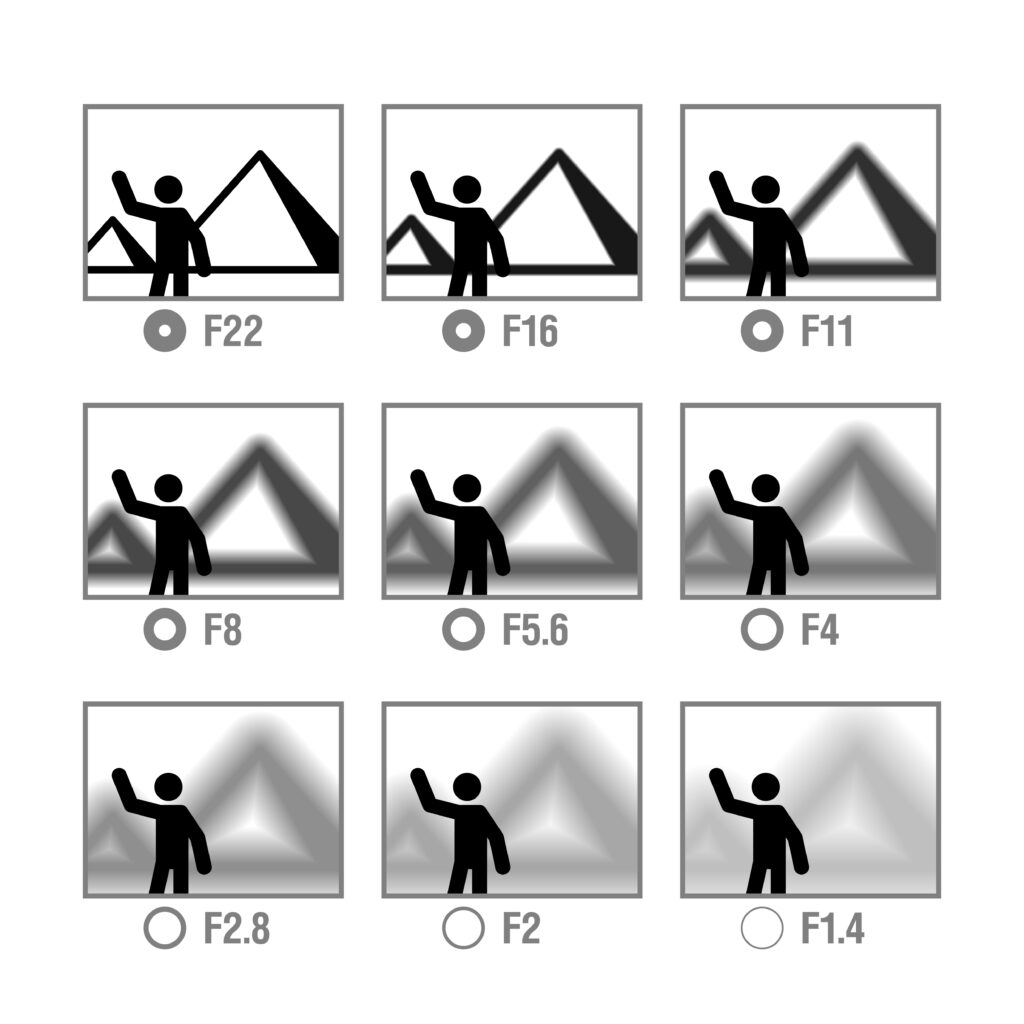
Aperture effects of “stopping down” and “opening up”
Have you come across the terms “stopping down” and “opening up”? They describe the adjustment of the aperture size, which dictates the amount of light reaching the camera’s sensor.
Opening Up
That is to say, it involves using a wider aperture, denoted by a smaller f-stop number (e.g., f/1.8, f/2.8), similar to opening a door wider to let in more light.
- More light: Beneficial in dim settings or for quicker shutter speeds.
- Shallower depth of field: A limited area around the focus point remains sharp, causing the foreground and background to blur, ideal for highlighting the subject.
Stopping Down
This involves using a narrower aperture, indicated by a higher f-number (e.g., f/8, f/16), similar to partially closing a door to reduce light entry.
Less light: Necessitates compensatory measures like a slower shutter speed or a higher ISO.
Deeper depth of field: A greater part of the image stays in focus, from the foreground to the background, perfect for landscape or group photos to keep everything crisp.
Opening Up = More Light, Less Sharpness (Shallower Depth of Field)
Stopping Down = Less Light, More Sharpness (Deeper Depth of Field)
Prime vs. Zoom Lenses: Which is best for Wildlife Photography?
Before getting into the prime versus zoom debate, it helps to think about what actually draws you to this kind of photography. Are you chasing the grandeur of large wildlife? Bison or elk moving through the American wilderness, or is it bird photography that really pulls you in? Your answer matters here because it’s often the first thing that points you toward one type of lens over the other.
Choosing between prime and zoom isn’t just a spec comparison; it’s a decision that shapes how you shoot in the field. Prime lenses reward patience and deliberate composition. Zoom lenses reward adaptability. Neither is universally “better”; they’re built for different instincts.
The Case for Prime Lenses
Prime lenses have a fixed focal length, say, 400mm or 600mm, which means no zooming in or out. That sounds limiting, but its exactly why serious wildlife photographers reach for them:
- Superior image quality — fewer moving parts and simpler internal construction typically mean sharper images, better contrast, and less distortion
- Wider maximum apertures — many primes open to f/2.8 or f/4, which means better low-light performance, faster shutter speeds, and that soft, creamy background blur (bokeh) wildlife portraits thrive on
- Lighter than you’d expect — longer primes can be hefty, but they’re often lighter and more compact than a zoom covering the same focal length
- Ideal for predictable scenarios — birds at a known feeder, elk at a regular watering hole, situations where you already know roughly where the shot will happen
The trade-off is real, though: if your subject suddenly closes distance or moves farther away, you’re repositioning yourself, not your zoom ring — and in the wild, that’s not always possible. Serious wildlife photographers who lean on primes often carry more than one focal length to cover the gap, which adds weight and means swapping lenses in the field, sometimes at the exact moment you can least afford to.
Zoom Lenses: The Flexible Friend
Zoom lenses cover a range of focal lengths in one lens. For example, a 100-500mm or 200-600mm range makes them a versatile choice when conditions and subjects keep changing.
- Adaptability in the field — reframe instantly without moving your feet, invaluable when wildlife is on the move or your mobility is limited (shooting from a blind or vehicle, for instance)
- Convenience and safety — sometimes closing the distance isn’t an option, for your safety or the animal’s comfort, and a zoom lets you capture intimate shots from a respectful distance
- One lens, many scenarios — rather than carrying and swapping several primes, a single quality zoom handles portraits, action, and environmental shots alike
That said, there are trade-offs. Zoom lenses generally sacrifice a bit of sharpness compared to a prime at the same focal length, particularly at their longest reach. They also typically have narrower maximum apertures (f/5.6-f/7.1 is common), which can be a real limitation once the light starts to fade.
Visual Comparison Chart: Zoom vs. Prime Lenses
| Feature | Zoom Lens | Prime Lens |
|---|---|---|
| Focal Length | Variable (e.g., 100–500mm) | Fixed (e.g., 600mm) |
| Flexibility | High – great for dynamic scenes | Low – must “zoom with your feet” |
| Image Quality | Very good (especially pro models) | Excellent – optimized sharpness |
| Aperture | Typically f/4.5–7.1 | Often f/2.8–f/4 – better in low light |
| Weight | Often lighter in mid-range models | Heavier in super-telephoto class |
| Cost | More affordable across ranges | More expensive (especially f/2.8/f/4) |
| Best For | Versatile shooting, moving subjects | Maximum detail, low-light scenes |
Which Should You Choose?
It comes down to four things: your budget, your shooting style, your primary subjects, and the environments you typically shoot in. If you favor carefully planned outings with predictable wildlife behavior and image clarity is your priority, a prime lens is likely your best ally. If you’re drawn to the unexpected, or you shoot across a range of environments and situations, a zoom gives you the flexibility to adapt on the fly.
Final Thoughts
Choosing between prime and zoom isn’t really about specs, it’s about how you shoot, where you shoot, and what draws you to this in the first place. Whether you prefer the precision of a prime or the all-in-one adaptability of a zoom, both can produce images you’ll be proud of. The key is matching the gear to your vision, then getting out there and letting the wild do the rest.
Recommended Canon Lenses for Wildlife Photography
Canon boasts a robust selection of lenses for wildlife photography, catering to both mirrorless (RF) and DSLR (EF) camera systems. They are actively developing and releasing new RF lenses for its EOS R mirrorless system catering to beginners, professionals, and various photography needs.
While Canon still produces EF lenses for its DSLR cameras the development of new EF lenses has slowed down compared to the RF lens development. This reflects the overall industry trend towards mirrorless cameras.
Overall, the mirrorless market is growing, and Canon is strategically prioritizing lens development for its EOS R mirrorless system.
With that in mind, these are the top wildlife lenses we are covering in this blog, with most of the lenses being RF (mirrorless):
Here are some of our top Canon Lens picks
- Canon RF 800mm f/5.6 L IS USM Lens
- Canon RF 600mm f/4L IS USM Lens
- Canon RF 100-500mm f/4.5-7.1L IS USM Lens
- Canon RF 200-800mm f/6.3-9 IS USM Lens
- Canon RF 800mm f/11 IS STM
Canon RF Lenses
1) Canon RF 800mm f/5.6 L IS USM Lens
As a wildlife photographer, we are always on the lookout for gear that can help us get closer to the animals we want to capture. The Canon RF 800mm f/5.6 L IS USM lens is an excellent choice for wildlife photography because of its capabilities.
With its 800mm focal length, this lens is perfect for taking portraits of even the most skittish animals, capturing every detail of their fur or feathers. Moreover, the f/5.6 maximum aperture is great for low-light situations and creates a beautiful background blur, isolating your subject from its surroundings.
Another advantage of this lens is Canon’s renowned image stabilization which ensures that your images are sharp and clear even at slower shutter speeds. This is perfect for situations where causing a disturbance is not an option. All these features make the RF 800mm f/5.6 L IS USM an exceptional lens for wildlife and birding photography. It brings you closer to the action, allowing you to capture stunning wildlife imagery.
Relatively lightweight and compact, this 800mm f/5.6 lens weighs 6.9 lb and measures 17″-long, making it realistic to use atop a monopod or even handheld for short periods of time.
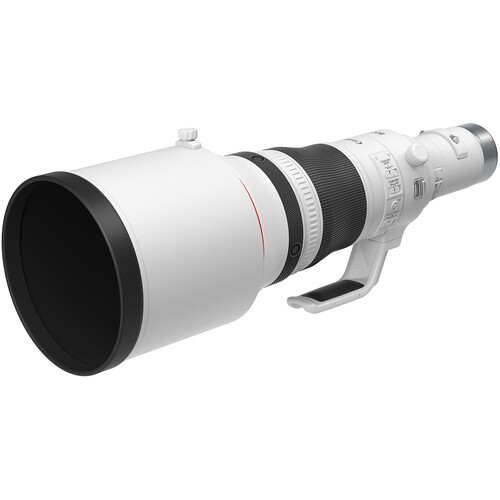
Note: Stock on this lens can be limited — check Amazon or B&H Photo for current availability. A Series II version is widely anticipated in the coming years.
Canon RF 800mm f/5.6 L IS USM Lens Technical Specifications:
| Specification | Details |
| Mount: | Canon RF Lens/Full-Frame Format |
| Focal Length | 800mm |
| Aperture Range: | f/5.6 to f/64 |
| Weighs: | 6.9 lb |
| Lens Construction: | 14 elements in 11 groups (likely, but not officially confirmed by Canon) |
| Autofocus: | Ring-Type USM Motor |
| Image Stabilization: | Built-in Optical Image Stabilizer (IS) with up to 4.5 stops of shake correction (CIPA standard) |
| Minimum Focus Distance | Approximately 2.6 meters (8.53 ft) |
| Maximum Magnification: | 0.34x |
| Filter Diameter: | 95mm |
| Weather Sealing: | Yes, Fluorine Coating |
| Dimensions (Diameter x Length): | 168.1 x 463.8 mm (6.62 x 18.26 in) |
Key Features
- Ultra-Telephoto Reach (800mm): Bring distant wildlife incredibly close, perfect for capturing wildlife across the vast landscapes of the USA in stunning detail.
- Exceptional Image Quality: Specialized optics minimize color fringing for crisp, high-resolution images.
- Balance of Light and Blur (f/5.6 Aperture): Works well in moderate low light and allows for a pleasing background blur to isolate your subject.
- Steady Shots (Image Stabilization): Up to 4.5 stops of image stabilization for sharp handheld wildlife shots at slower shutter speeds.
- Silent, Swift Focus (USM Motor): Capture fleeting moments of wildlife behavior with smooth, quiet, and high-speed autofocus.
- Built to Withstand the Wild (Weather Sealing): Protects the lens from dust, moisture, and occasional bumps encountered in various environments.
- Relatively Portable Powerhouse: Lighter than some super-telephoto lenses, making it manageable for wildlife photography adventures.
- Extendable Reach (Optional Extenders): Increase focal length and magnification for even more reach (with trade-offs on aperture).
Weighing the Pros and Cons
Pros:
- Exceptional image quality for professional wildlife photography.
- Impressive reach to capture distant wildlife in detail.
- Good balance between low-light capability and background blur.
- Effective image stabilization for sharp handheld shots.
- Fast and accurate autofocus for capturing fleeting moments.
- Durable build for demanding outdoor conditions.
- Relatively lighter weight at 6.9 lbs. than some comparable lenses.
Cons:
- Steep price tag – a significant investment
- Size and weight – a substantial lens, and a tripod is recommended.
- Limited versatility – a prime lens with no zoom functionality
- Low-light limitations – might require higher ISO in very low light.
- Extender trade-off – reduces the aperture and potentially autofocus speed.
- Focus peaking – some users might find it less precise in low light.
Summary
The Canon RF 800mm f/5.6 L IS USM is a high-end lens designed for wildlife photography. It stands out for its exceptional image quality, impressive zoom capabilities, and sturdy construction. However, it’s important to keep in mind the lens’s price, size, and limitations before making a purchase.
We recommend visiting your preferred camera store or renting this lens first to make sure it meets your specific needs and stays within your budget. That said, if you’re a passionate wildlife photographer aiming to capture extraordinary moments across the diverse landscapes of the USA, this lens could quickly become an indispensable part of your gear. In fact, its performance and reach may elevate your photography to new levels, especially when shooting elusive or distant subjects.
2) Canon RF 600mm f/4L IS USM Lens
The Canon RF 600mm f/4L IS USM Lens is a top-of-the-line lens that is an absolute game-changer for wildlife photographers. With its impressive 600mm focal length, it allows for unparalleled reach and image quality, making it possible to capture stunning close-ups of distant wildlife without disturbing their natural habitat.
Furthermore, the lens boasts exceptional optical performance, with advanced coatings that reduce flare and ghosting while ensuring that colors are rendered accurately. In addition, the lens features a fast and accurate autofocus system that ensures sharp and perfectly focused images, even when photographing fast-moving wildlife.
Another key feature of the Canon RF 600mm f/4L IS USM Lens is its image stabilization technology, which compensates for camera shake and allows for sharp handheld shots even in low-light conditions. This feature, combined with the lens’s large maximum aperture of f/4, makes it possible to capture stunning shots in challenging lighting situations, such as early mornings or late afternoons.
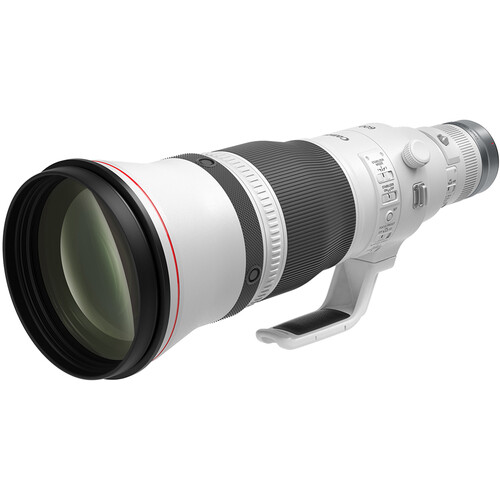
Canon RF 600mm f/4L IS USM Lens Technical Specifications:
| Specification | Details |
|---|---|
| Type | RF-Mount / Full-Frame / Fixed |
| Mount | Canon RF |
| Focal Length | 600mm |
| Aperture Range | f/4 to f/32 |
| Image Stabilization | Yes — up to 5.5 stops |
| Min. Focus Distance | 13.78 ft. / 4.2 m |
| Filter Diameter | 54mm |
| Weather Sealing | Yes — Fluorine Coating |
| Weight | 6.85 lbs. / 3.11 kg |
| Optical Elements | Super UD and Fluorite Elements |
| Coatings | Super Spectra and Air Sphere |
| Focus Ring | Customizable Electronic |
| Focus Presets | Two |
| Diaphragm | Circular 9-Blade |
| Tripod Collar | Rotatable |
Key Features
- Low-Light Excellence: Its wide f/4 maximum aperture ensures sharp, detailed images in challenging lighting conditions such as dawn, dusk, or dense forests.
- Steady Shots: The built-in image stabilization reduces camera shake by up to 5.5 stops, enabling you to use slower shutter speeds for creative shots without compromising clarity.
- Fast Autofocus: The lens boasts a fast and accurate autofocus system that tracks wildlife movements effortlessly, ensuring you never miss a moment of action.
- Weather-Resistant: With weather-sealed construction, this lens is built to withstand harsh outdoor conditions, allowing you to shoot in rain, dust, or snow.
Weighing the Pros and Cons
Pros
- Exceptional Image Quality: This lens is well-known for its exceptional sharpness and clarity, making it perfect for professional-grade wildlife and sports photography.
- Superior Low-Light Performance: With its fast f/4 maximum aperture, this lens is excellent at capturing wildlife and action in low light conditions. Additionally, it allows for beautiful background blur, making it perfect for artistic compositions.
- Unmatched Image Stabilization: Canon’s top-of-the-line image stabilization system effectively combats camera shake, enabling sharp images even at slower shutter speeds, which is crucial for wildlife photography.
- Built for the Elements: The weather-sealed construction of this lens protects it from dust and moisture, ensuring confident shooting in challenging outdoor environments.
- Fast and Accurate Autofocus: The advanced autofocus system with dual Nano USM motors provides rapid and precise subject tracking, which is critical for capturing fleeting wildlife moments.
- Extender Compatibility: This lens can be paired with Canon’s RF 1.4x and 2x teleconverters for even greater effective focal length, bringing distant subjects even closer.
- This lens has been field tested as recently as July 2025 at wildlife reserves, with photographers praising its autofocus and stabilization in challenging overcast and windy conditions, so it’s still very much a current top performer.
Cons
- Steep Price Tag: As a professional-grade lens, this option comes with a significant cost. It’s a significant investment that may not be feasible for casual photographers. The price for this lens is approximately $13,999 – $14,500.
- Size and Weight: Keep in mind that this lens is bulky and heavy, and it can be cumbersome for travel or situations requiring long periods of handheld shooting. Consider a tripod or monopod for support.
- Limited Macro Capabilities: While capable of close-up focusing, it’s not a dedicated macro lens. If capturing extreme close-ups of insects or small creatures is a priority, you might need a dedicated macro lens alongside this telephoto option.
- A Series II version of the RF 600mm f/4 with a built-in 1.4x teleconverter is rumored and patents have been filed.
Summary
The Canon RF 600mm f/4L IS USM Lens is a perfect fit for wildlife photographers who are looking for unmatched performance and versatility. Although it comes with a higher price tag, its exceptional performance, and build quality justify the investment for serious photographers.
It is a valuable investment that will deliver stunning results for years to come. This lens is perfect for both amateur and professional photographers, and it will exceed your expectations by helping you capture breathtaking images of wildlife in their natural habitat.
3) Canon RF 100-500mm f/4.5-7.1L IS USM Lens
The Canon RF 100-500mm f/4.5-7.1L IS USM lens strikes a fantastic balance between reach, versatility, and portability, making it a go-to wildlife zoom for many photographers. Here’s a breakdown of its key features and why it excels in capturing various wildlife encounters:
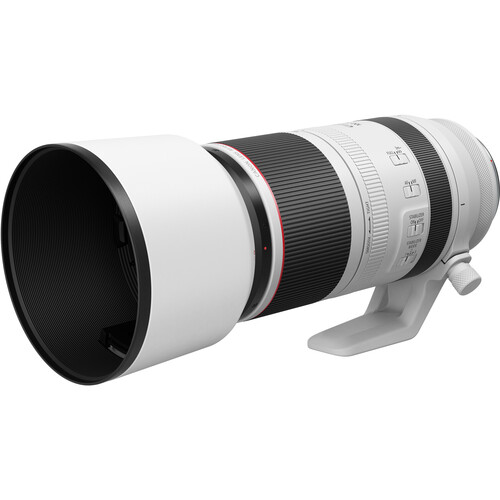
Canon RF 100-500mm f/4.5-7.1L IS USM Technical Specifications:
| Specification | Details |
|---|---|
| Type | RF-Mount / Full-Frame / Zoom |
| Mount | Canon RF |
| Focal Length | 100-500mm |
| Aperture Range | f/4.5-7.1 to f/32-54 |
| Image Stabilization | Up to 5 stops (6 with compatible body) |
| Min. Focus Distance | 2.95 ft / 0.9m (at 100mm) |
| Filter Diameter | 77mm |
| Weather Sealing | Yes — Fluorine Coating |
| Weight | 3.0 lbs / 1,365g |
| Optical Elements | 1 Super UD, 6 UD Elements |
| Autofocus | Dual Nano USM |
| Diaphragm | 9-Blade |
| Control Ring | Customizable |
| Teleconverter | Compatible at 300-500mm range |
Key Features
Impressive 5x Zoom Range (100mm-500mm):
This range provides exceptional flexibility. You can capture wide landscape shots to establish the scene (transitioning with a wide zoom) and then seamlessly zoom in for tight wildlife portraits, eliminating the need to carry multiple lenses.
Built-in Image Stabilization (IS):
Canon’s renowned image stabilization system effectively combats camera shake, ensuring sharper images throughout the zoom range. This is particularly beneficial (transitioning with emphasis) when shooting at longer focal lengths (like 500mm) or using slower shutter speeds in lower-light situations. Up to 5 stops IS, boosted to 6 stops when paired with compatible Canon EOS R bodies like the R5 or R6
Weather-Sealed Construction:
For outdoor adventures, the lens is built to withstand challenging conditions. Dust and moisture resistance provide peace of mind when shooting in unpredictable weather, allowing you to focus on capturing wildlife moments (transitioning with a benefit).
Decent Low-Light Performance:
While not the absolute best, the f/4.5 maximum aperture at the wide end (100mm) allows you to capture wildlife in moderately low-light situations. This provides some flexibility when those perfect wildlife encounters happen outside of ideal lighting conditions.
Pros
- Impressive Zoom Range: The 5x zoom range (100mm-500mm) offers great flexibility, allowing you to capture wide landscape shots of your environment and zoom in for close-up wildlife portraits. This eliminates the need to carry multiple lenses.
- Relatively Affordable: Compared to some high-end super telephoto lenses, the RF 100-500mm falls on the more budget-friendly side, making it accessible to a wider range of wildlife photographers.
- Image Stabilization: Canon’s built-in image stabilization (IS) effectively minimizes camera shake, ensuring sharper images, especially at longer focal lengths and slower shutter speeds.
- Weather-Sealed Construction: This lens is built to withstand challenging outdoor conditions. Dust and moisture resistance provide peace of mind when shooting in unpredictable weather.
- Decent Low-Light Performance: While not its strongest point, the f/4.5 maximum aperture at the wide end allows for capturing wildlife in moderately low-light situations.
- The dual Nano USM autofocus is among the fastest of any lens in its class, making it highly effective even for small birds in flight — this deserves a stronger mention than just “image stabilization” The surprisingly close minimum focusing distance of just 0.9m at 100mm makes it useful for subjects like hummingbirds at feeders, adding unexpected versatility
Cons
- Variable Aperture: The maximum aperture narrows to f/7.1 at the telephoto end (500mm), affecting low-light capabilities and background blur (bokeh) at that focal length.
- Size and Weight: While lighter than some prime telephoto lenses, the RF 100-500mm can still be bulky and heavy, especially for extended handheld shooting. Consider a tripod or monopod for better support.
- Soft Corners: Some users report softer image quality, particularly at the corners of the frame, especially at the telephoto end. This might require adjustments in post-processing.
- Not Ideal for Fast Action: Narrower aperture at 500mm (f/7.1) can challenge autofocus in very low light conditions.
Summary
The Canon RF 100-500mm f/4.5-7.1L IS USM lens is a great option for photographers who want to shoot high quality images of wildlife and nature. It’s a cost-effective and versatile telephoto zoom lens that works well with Canon RF mirrorless cameras.
This lens is particularly suitable for bird and wildlife photographers due to its flexible zoom range and ease of portability. It’s perfect for capturing wildlife on the move, and its image stabilization technology ensures that your photos are sharp and stable. Additionally, the lens has a weather-sealed design, making it ideal for use in various outdoor conditions.
Moreover, the lens supports the optional Extender RF 1.4x and Extender RF 2x teleconverters, which can extend the effective focal length of the 300-500mm segment of the lens. All of these features make the Canon RF 100-500mm f/4.5-7.1L IS USM lens an excellent option for photographers who want to shoot high-quality images of nature and wildlife.
4) Canon RF 200-800mm f/6.3-9 IS USM Lens
For wildlife Canon photographers in search of a revolutionary zoom lens to capture nature’s wonders, the Canon RF 200-800mm f/6.3-9 IS USM lens is a must-see. This game-changer boasts an extensive zoom range that completely transforms your approach to wildlife photography.
The 200-800mm range allows you to achieve detailed close-up portraits, ensuring superior image quality. From a majestic eagle soaring in the sky to a delicate hummingbird perched on a branch, this lens captures sharp details of feathers, fur, and other intricate features with remarkable clarity.
For bird enthusiasts, the Canon RF 200-800mm f/6.3-9 IS USM lens is an exciting tool. Its extensive zoom range allows you to capture a variety of bird behaviors in incredible detail, whether it’s the vibrant plumage of a colorful parrot or the dynamic wing movements of a hawk in mid-flight.
Furthermore, the lens is compact and lightweight, perfect for bird photography expeditions. This ensures you’re always prepared to capture spontaneous moments of wildlife interaction, even when venturing into challenging terrain.
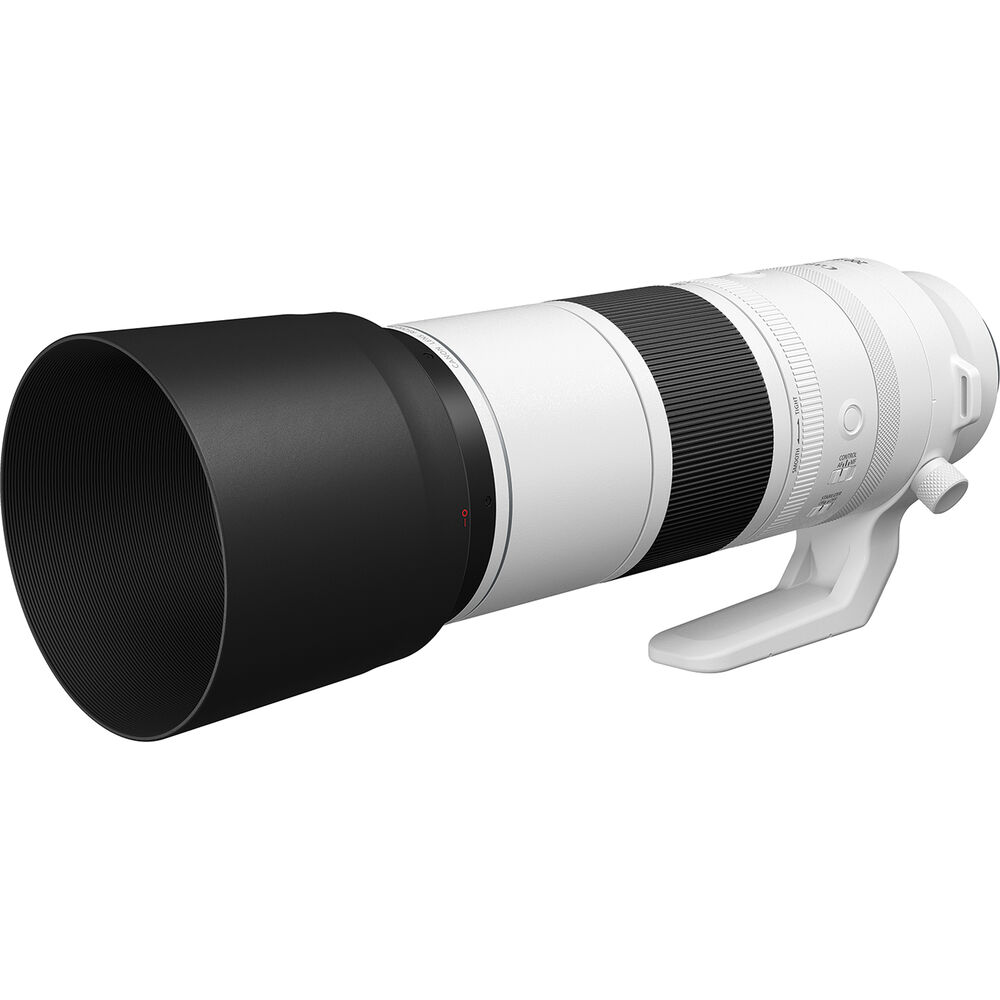
Canon RF 200-800mm f/6.3-9 IS USM Technical Specifications:
| Specification | Details |
|---|---|
| Type | RF-Mount / Full-Frame / Zoom |
| Mount | Canon RF |
| Focal Length | 200-800mm |
| Aperture Range | f/6.3-9 to f/54 |
| Image Stabilization | Up to 5.5 stops |
| Min. Focus Distance | 2.7 ft / 0.82m |
| Filter Diameter | 95mm |
| Weather Sealing | Yes |
| Weight | 4.52 lbs / 2.05 kg |
| Autofocus | Nano USM Motor |
| Optical Elements | 3 UD Elements |
| Coating | Super Spectra |
| Teleconverter | Compatible at all focal lengths |
Key Features
Unmatched Zoom Range (200-800mm):
This lens sets itself apart with a truly exceptional zoom range. The 200-800mm range offers incredible versatility, allowing you to capture stunning close-up portraits of distant subjects, like a majestic bald eagle soaring high above, or frame tighter compositions of wildlife right in front of you, all with a single lens. Up to 5.5 stops IS at 800mm, and an impressive 7.5 stops at 200mm — with automatic panning detection built in, no IS mode switch needed.
Exceptional Image Quality Throughout:
Despite the impressive zoom range, image quality doesn’t suffer. The RF 200-800mm f/6.3-9 IS USM lens maintains exceptional sharpness and clarity throughout the entire focal length. This ensures you capture every intricate detail, from the delicate patterns on a butterfly’s wing to the fierce glint in a predator’s eye, with remarkable precision.
Surprisingly Compact and Lightweight (for a Super-Telephoto Lens):
While telephoto lenses often come with significant bulk, the RF 200-800mm is surprisingly manageable. It’s lighter and more compact compared to other super-telephoto options. This makes it a more practical choice for wildlife photography expeditions, especially for birdwatchers who may be trekking through various terrains.
Compatible with RF 1.4x and 2x teleconverters at ALL focal lengths — unlike the RF 100-500mm which only works with extenders between 300-500mm — giving you up to 1120mm or a massive 1600mm of reach
Pros
- Unprecedented Zoom Range (200-800mm): This lens offers exceptional versatility, allowing you to capture wildlife from a distance without disturbing them. You can achieve detailed close-up portraits of birds in flight, elusive mammals, or any creature in your sights, all with a single lens.
- Sharp Image Quality: Despite the extensive zoom range, the lens maintains impressive image quality throughout. Expect crisp details in feathers, fur, and other intricate features, ensuring stunning wildlife photographs.
- Lightweight and Compact (for its class): While still a telephoto lens, the RF 200-800mm is surprisingly lightweight and compact compared to similar super-telephoto options. This makes it easier to carry on wildlife photography expeditions, especially valuable for birdwatchers on the move.
- Image Stabilization: Canon’s built-in image stabilization (IS) effectively combats camera shake, enabling sharp images even at slower shutter speeds, often necessary in wildlife photography.
- Strengthen the autofocus Pro: Bird tracking autofocus works flawlessly with this lens on modern Canon R bodies, pinpointing each bird’s eye in near total silence.
Cons
- Variable Aperture (f/6.3-9): The maximum aperture narrows as you zoom in, limiting low-light performance and background blur (bokeh) at the telephoto end (800mm). This might require adjusting shooting techniques or using higher ISO settings in low-light situations. In very dark environments like dense forest, the narrow aperture forces a difficult choice between very high ISO and slower shutter speeds.
- Potentially High Cost: This is a high-end lens with a price tag to match. Depending on your budget and shooting needs, there might be more affordable telephoto options available.
- Not Ideal for Fast Action: While the lens focuses quickly, some users report it might not be as fast as dedicated prime telephoto lenses for tracking extremely fast-moving wildlife.
- The lens uses an external zoom design, meaning the barrel extends when zooming, which can allow more dust ingress than internal zoom lenses
Summary: A Powerful Tool with Considerations
The Canon RF 200-800mm f/6.3-9 IS USM lens is a powerful tool for wildlife photographers, particularly those seeking exceptional zoom range and image quality. Its compact design and image stabilization make it a compelling option for birdwatchers and wildlife enthusiasts on the go. However, the variable aperture and potentially high cost are important factors to consider when making your decision.
If ultimate low-light performance or capturing very fast-action wildlife is your priority, a prime telephoto lens might be a better fit. Ultimately, the Canon RF 200-800mm f/6.3-9 IS USM lens offers exceptional versatility and image quality, but careful consideration of its strengths and weaknesses is crucial to ensure it aligns with your specific wildlife photography needs.
5) Canon RF 800mm f/11 IS STM
For wildlife photographers who dream of super-telephoto reach without the super-telephoto price tag, the Canon RF 800mm f/11 IS STM is a genuine game-changer.
When Canon first announced this lens, the photography world was skeptical — an 800mm lens with a fixed f/11 aperture for under $1,000? It seemed too good to be true. But out in the field, this remarkable little lens has won over countless wildlife and bird photographers who simply couldn’t justify spending $10,000+ on a traditional 800mm prime.
The secret behind its compact size and affordable price is Canon’s innovative use of diffractive optical elements and a fixed aperture design — no aperture blades means less complexity, less weight, and lower cost. The result is the world’s lightest autofocus 800mm lens, collapsing down to a surprisingly portable size when not in use.
Paired with a modern Canon EOS R mirrorless body, its silent STM autofocus and 4-stop image stabilization make it a genuinely capable tool for capturing distant birds in flight, elusive mammals across open plains, and any wildlife encounter where reach and portability matter more than low-light performance.
This is the lens that makes 800mm accessible to everyone. Just bring the sunshine!
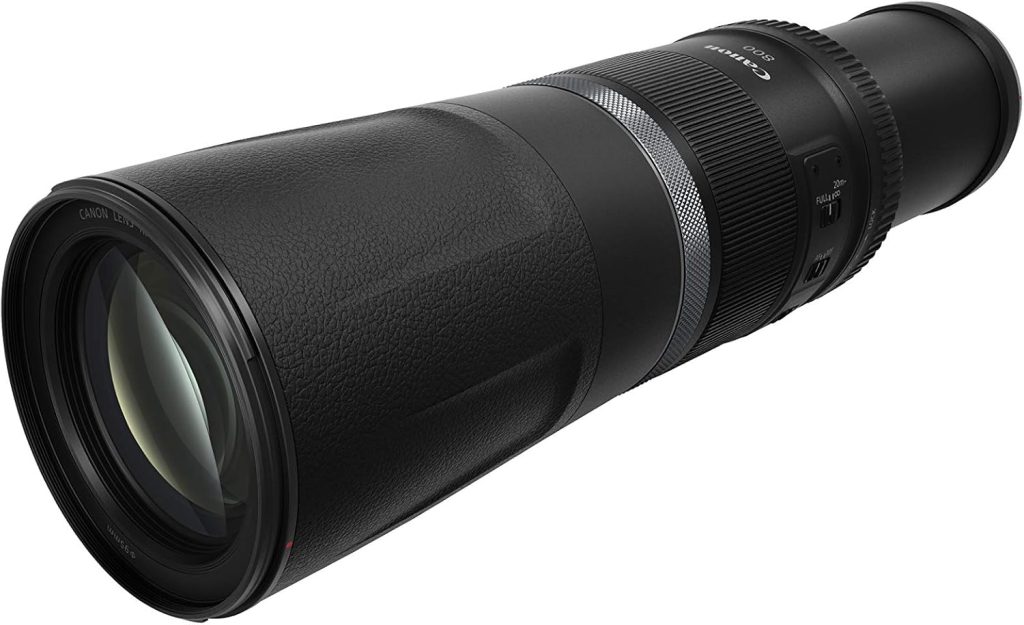
| Specification | Details |
|---|---|
| Type | RF-Mount / Full-Frame / Fixed Prime |
| Mount | Canon RF |
| Focal Length | 800mm |
| Aperture | Fixed f/11 |
| Image Stabilization | Up to 4 stops |
| Min. Focus Distance | 6m / 19.7 ft |
| Max Magnification | 0.14x |
| Filter Diameter | 95mm |
| Weather Sealing | No |
| Weight | 1,260g / 2.78 lbs |
| Optical Construction | 11 elements in 8 groups |
| Autofocus | STM Motor |
| Diaphragm Blades | None (fixed aperture) |
| Collapsible Design | Yes — extends before use |
| Teleconverter | RF 1.4x (1120mm f/16) / RF 2x (1600mm f/22) |
Key Features:
- World’s Lightest Autofocus 800mm Lens — Canon’s innovative use of diffractive optical elements and a fixed aperture design eliminates aperture blades, dramatically reducing weight and complexity without sacrificing reach
- Collapsible Design — collapses to a compact, travel-friendly size when not in use, making it one of the most portable super-telephoto lenses available
- 4-Stop Image Stabilization — helps counteract camera shake at extreme focal lengths, particularly useful when handholding at 800mm
- Silent STM Autofocus — smooth, near-silent focusing motor is ideal for wildlife photography and video, minimizing disturbance to subjects
- Teleconverter Compatible — works with Canon RF 1.4x (1120mm f/16) and RF 2x (1600mm f/22) teleconverters for extraordinary reach when conditions allow
- Fixed f/11 Aperture — perfectly circular bokeh with no diaphragm blades, and a price point under $1,000 that makes 800mm reach accessible to every Canon mirrorless shooter
- Full-Frame RF Mount — native RF mount delivers full compatibility with Canon EOS R series bodies and their advanced subject tracking systems
Pros
- Extraordinary reach at an unprecedented price point under $1,000
- World’s lightest autofocus 800mm lens
- Collapsible design makes it highly portable and travel friendly
- Silent STM autofocus ideal for wildlife and video
- Works with RF 1.4x and 2x teleconverters for even greater reach
- Perfectly circular bokeh due to fixed aperture with no diaphragm blades
- Great for shooting in good light conditions from a distance
Cons
- Fixed f/11 aperture — diffraction at f/11 reduces fine detail compared to faster lenses APC Wildlife Photography, and low light performance is limited
- Autofocus area restricted to central portion of frame on older Canon bodies
- Minimum focus distance of 6m can feel restrictive ePHOTOzine — you’ll need to move further away rather than closer
- No weather sealing — needs extra care in rain or dusty conditions
- Not ideal for fast erratic wildlife in low light
- Requires manual extending before use — adds an extra step in the field
Summary:
The Canon RF 800mm f/11 IS STM is a game-changer for budget-conscious wildlife photographers. It delivers an extraordinary 800mm focal length in the world’s lightest autofocus super-telephoto package at under $1,000 — a price point that was unthinkable for 800mm reach just a few years ago.
The trade-off is the fixed f/11 aperture, which means this lens truly shines in good daylight conditions. For golden hour, overcast days, or dense forest shooting, the narrow aperture will challenge you. However, paired with a modern Canon EOS R body with strong high ISO performance and advanced subject tracking, this lens can deliver stunning wildlife images that would simply be out of reach for most photographers financially.
If you’re a Canon mirrorless shooter looking for an affordable entry into super-telephoto wildlife photography — particularly for birds and wildlife in open, well-lit environments — the RF 800mm f/11 IS STM is an outstanding value and a worthy addition to any wildlife kit.
Canon Mirrorless Lens Summary:
Canon’s RF mirrorless lens lineup offers wildlife photographers an outstanding range of options in 2026, from budget-friendly to professional grade — ensuring there is something for every level and every budget.
For the ultimate in reach and image quality, the Canon RF 800mm f/5.6 L IS USM stands out as a top choice, offering unparalleled magnification for capturing distant subjects with stunning clarity. Its impressive focal length is complemented by advanced image stabilization, ensuring sharp shots even in challenging conditions. Note that stock can be limited — check Amazon or B&H for current availability.
The Canon RF 600mm f/4L IS USM provides a slightly shorter focal length but maintains superb image quality and stabilization, making it a versatile option for capturing wildlife in various settings. A Series II version with built-in teleconverter is widely rumored, so watch this space.
Photographers looking for flexibility without compromising on image quality will find the Canon RF 100-500mm f/4.5-7.1L IS USM an ideal choice. Its versatile zoom range and class-leading dual Nano USM autofocus make it one of the most popular wildlife lenses in the Canon lineup.
The Canon RF 200-800mm f/6.3-9 IS USM is the best value super-telephoto zoom available in 2026 at around $2,049, offering an extraordinary 200-800mm range in a relatively compact and affordable package — perfect for wildlife photographers who want maximum reach without maximum cost.
Finally, the Canon RF 800mm f/11 IS STM is the game-changer for budget-conscious photographers, delivering 800mm reach at under $1,000. Best suited for well-lit conditions, it opens up super-telephoto wildlife photography to a whole new audience.
Top Nikon Lens picks for Wildlife Photography
Mirrorless
- Nikon NIKKOR Z 400mm f/4.5 VR S Lens:
- Nikon NIKKOR Z 100-400mm f/4.5-5.6 VR S Lens:
- Nikon NIKKOR Z 180-600mm f/5.6-6.3 VR S Lens:
- Nikon NIKKOR Z 600mm f/6.3 VR S Lens:
- Nikon NIKKOR Z 400mm f/2.8 TC VR S
In 2026, Nikon’s Z-mount mirrorless system has firmly established itself as one of the finest platforms for wildlife photography available. With a growing lineup of outstanding Z-mount lenses covering everything from versatile super-telephoto zooms to lightweight 600mm primes, Nikon has built an ecosystem that genuinely rivals — and in many ways surpasses — what was possible with their legendary F-mount DSLR system.
Nikon made the bold decision to fully commit to the Z-mount, and wildlife photographers are reaping the rewards. The Z-mount’s wider throat diameter and shorter flange distance have enabled Nikon’s engineers to create lenses that are sharper, lighter, and faster to focus than their F-mount predecessors. Combined with the outstanding subject tracking and eye-detection autofocus found in cameras like the Z8 and Z9, the Nikon Z system is a formidable wildlife photography platform in 2026.
Whether you’re a serious enthusiast looking for your first super-telephoto zoom or a professional demanding the absolute best in reach and low-light performance, the Nikon Z lens lineup has an outstanding option for you. In the following section we cover our top five picks for wildlife photography — from the budget-friendly 180-600mm to the extraordinary 400mm f/2.8 TC VR S.
1). NIKKOR Z 400mm f/4.5 VR S
Intro: For wildlife photographers who want the reach of a 400mm prime without the bulk and cost of an f/2.8 professional lens, the Nikon NIKKOR Z 400mm f/4.5 VR S is a remarkable achievement. At just over 9 inches long and 2.5 lbs., it’s the smallest and lightest 400mm prime Nikon has ever created, making it genuinely handhold-able for extended wildlife sessions. This is the lens that lets you chase birds through the forest, hike across open plains, and track fast-moving subjects without feeling like you’re lugging a cannon. Paired with Nikon’s Z series cameras and their outstanding subject tracking, it’s an incredibly capable wildlife tool at a far more accessible price point than its f/2.8 sibling.
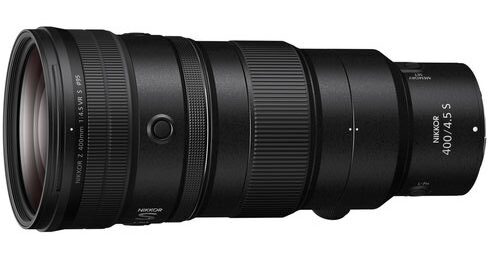
NIKKOR Z 400mm f/4.5 VR S Specs Table:
| Specification | Details |
|---|---|
| Type | Z-Mount / Full-Frame / Fixed Prime |
| Mount | Nikon Z |
| Focal Length | 400mm |
| Aperture Range | f/4.5 to f/32 |
| Image Stabilization | Up to 5.5 stops (6 stops with Synchro VR on Z9) |
| Min. Focus Distance | 2.5m / 8.2 ft |
| Max Magnification | 0.18x |
| Filter Diameter | 95mm |
| Weather Sealing | Yes — Fluorine Coating |
| Weight | 1,160g / 2.56 lbs (excl. tripod collar) |
| Optical Elements | 19 elements in 13 groups |
| Special Elements | 1 ED, 2 Super ED, 1 SR element |
| Autofocus | STM Stepping Motor |
| Teleconverter | Compatible with Z TC-1.4x and TC-2.0x |
| Coating | Nano Crystal Coat |
Key Features:
World’s Lightest 400mm Prime: The smallest and lightest 400mm prime Nikon has ever created Nikon, making handheld super-telephoto shooting genuinely practical for wildlife photographers on the move
Outstanding Image Stabilization: Up to 5.5 stops of VR, boosted to 6 stops with Synchro VR on compatible Z bodies, among the highest in the NIKKOR lineup
Silent STM Autofocus: Near-silent stepping motor makes this ideal for shooting skittish wildlife from hides or in quiet natural environments
Teleconverter Ready: Compatible with Z TC-1.4x (560mm f/6.3) and TC-2.0x (800mm f/9) for extended reach when needed
Superior Bokeh: Optical design optimized specifically for smooth, beautiful background blur at 400mm
Weather Sealed: Fluorine coating and dust/moisture resistance for confident shooting in all conditions
Pros
- Incredibly lightweight and compact for a 400mm prime
- Outstanding sharpness and image quality — true S-Line performance
- Excellent VR system for handheld shooting
- Silent autofocus ideal for wildlife and video
- Works with teleconverters for extended reach
- Much more affordable than the f/2.8 version
Cons
- f/4.5 aperture limits low-light performance compared to f/2.8 primes
- Fixed focal length requires physical repositioning for framing changes
- Some users report autofocus can struggle with very fast subjects coming directly toward the camera
- Tripod collar design has received mixed reviews from users
Summary:
The NIKKOR Z 400mm f/4.5 VR S is one of the most compelling wildlife lenses in the Nikon Z lineup in 2026. It hits a sweet spot that very few lenses achieve — combining true prime-lens sharpness and bokeh with a weight and size that make it practical for active wildlife photography. While the f/4.5 aperture does limit performance in very low light, paired with the outstanding high-ISO performance of modern Nikon Z bodies, this lens delivers stunning results in the field. Therefore, if you want a dedicated 400mm prime that you can actually hike with, this is it.
2) Nikon NIKKOR Z 100-400mm f/4.5-5.6 VR S
Intro: The Nikon NIKKOR Z 100-400mm f/4.5-5.6 VR S is the lens that most Nikon Z wildlife photographers reach for first, and for good reason. It combines a versatile zoom range with S-Line optical excellence in a package that’s surprisingly manageable for its reach. Whether you’re photographing elk at a national park, tracking shorebirds along a coastline, or capturing raptors in flight, the 100-400mm range gives you the flexibility to adapt to whatever wildlife encounters come your way. In addition, on a DX-format Z camera, this lens delivers a 150-600mm-equivalent focal range, making it even more versatile for crop-sensor shooters.
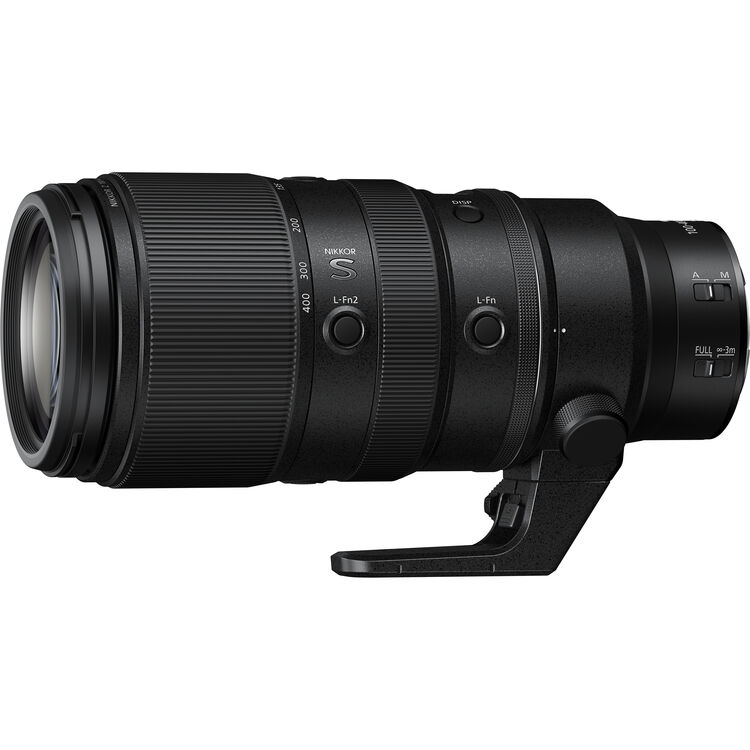
Nikon NIKKOR Z 100-400mm f/4.5-5.6 VR S Specs Table:
| Specification | Details |
|---|---|
| Type | Z-Mount / Full-Frame / Zoom |
| Mount | Nikon Z |
| Focal Length | 100-400mm |
| Aperture Range | f/4.5-5.6 to f/32-40 |
| Image Stabilization | Up to 5.5 stops |
| Min. Focus Distance | 0.75m / 2.5 ft (at 100mm) |
| Max Magnification | 0.38x |
| Filter Diameter | 77mm |
| Weather Sealing | Yes |
| Weight | 1,435g / 3.16 lbs (incl. tripod collar) |
| Optical Elements | 25 elements in 19 groups |
| Autofocus | Dual STM Stepping Motors |
| Teleconverter | Compatible with Z TC-1.4x and TC-2.0x |
| OLED Display | Yes — shows focal length, aperture, focus distance |
Key Features:
- Versatile Zoom Range: 100-400mm covers everything from environmental wildlife shots to tight close-up portraits without changing lenses
- Exceptional Close Focus: A minimum focus distance of 75cm provides a maximum magnification of 0.38x. Therefore, making it superb for larger insects, lizards, frogs, and smaller mammals as well as birds
- Dual STM Autofocus: Two high-speed stepping motors work in sync for fast, near-silent focusing with virtually no focus breathing
- Outstanding VR: 5.5 stops of stabilization — one of the best in class for a zoom lens
- OLED Display: Unique display showing focal length, aperture, and focus distance — a handy field reference
- DX Bonus: On APS-C Z cameras delivers a 150-600mm equivalent range
Pros
- Superb S-Line image quality throughout the zoom range
- Outstanding close focus capability for a telephoto zoom
- Dual STM motors deliver fast, quiet, accurate autofocus
- Versatile zoom range handles a huge variety of wildlife situations
- Works with teleconverters for up to 800mm reach
- Relatively compact and manageable for its focal length range
Cons
- Variable aperture narrows to f/5.6 at 400mm limiting low-light performance
- Considerably more expensive than the 180-600mm at around $2,497 despite shorter reach
- External zoom design extends the barrel when zooming
- Heavier than the 400mm f/4.5 prime at a similar focal length
Summary: The NIKKOR Z 100-400mm f/4.5-5.6 VR S remains one of the finest wildlife zoom lenses available in 2026 — delivering S-Line sharpness, outstanding autofocus, and impressive stabilization in a versatile package. Its exceptional close-focus capability sets it apart from other telephoto zooms, opening up opportunities for intimate wildlife photography that other lenses simply can’t match. Additionally, while the 180-600mm offers more reach at a lower price, the 100-400mm’s superior optical quality, lighter weight, and close-focus ability make it the premium choice for serious enthusiasts.
3. NIKKOR Z 180-600mm f/5.6-6.3 VR
Intro: If you’re a Nikon Z shooter looking for the best value wildlife lens on the market in 2026, look no further than the NIKKOR Z 180-600mm f/5.6-6.3 VR. This is the lens that the vast majority of shooters are likely to choose as their first or even main wildlife lens, and it’s easy to see why. It delivers an extraordinary 180-600mm zoom range with outstanding sharpness, internal zooming for great balance, and impressive VR — all at a price that significantly undercuts the 100-400mm S-Line lens despite offering considerably more reach. At around $1,697, it represents outstanding value or wildlife photographers who want maximum versatility without breaking the bank.
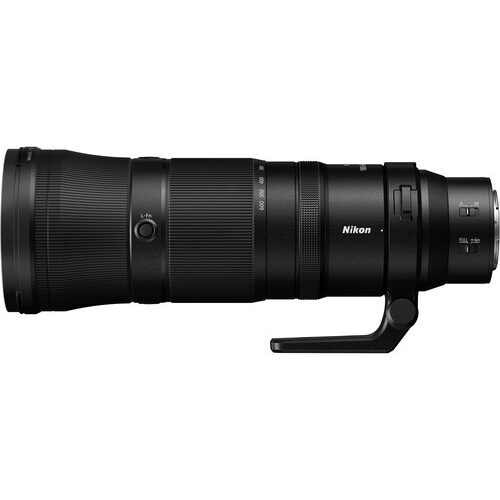
NIKKOR Z 180-600mm f/5.6-6.3 VR Specs Table:
| Specification | Details |
|---|---|
| Type | Z-Mount / Full-Frame / Zoom |
| Mount | Nikon Z |
| Focal Length | 180-600mm |
| Aperture Range | f/5.6-6.3 to f/32-40 |
| Image Stabilization | Yes — VR (Vibration Reduction) |
| Min. Focus Distance | 1.3m at 180mm / 2.4m at 600mm |
| Max Magnification | 0.25x |
| Filter Diameter | 95mm |
| Weather Sealing | Yes |
| Weight | 1,950g / 4.3 lbs |
| Zoom Design | Internal Zoom |
| Autofocus | STM Stepping Motor |
| Teleconverter | Compatible with Z TC-1.4x and TC-2.0x |
Key Features:
- Outstanding Zoom Range: 180-600mm covers the full spectrum of wildlife photography from mid-range mammals to distant birds in flight
- Internal Zoom Design: Unlike the older 200-500mm F-mount lens, the 180-600mm uses internal zooming which provides better balance and improved weather sealing
- Exceptional Value: Significantly less expensive than the 100-400mm S-Line despite offering more reach and comparable sharpness
- Excellent Magnification: 0.25x maximum magnification at 600mm — perfect for smaller mammals, reptiles, and insects as well as birds
- DX Reach: On APS-C Z cameras delivers an incredible 270-900mm equivalent focal range
- Teleconverter Compatible: Add the TC-1.4x for up to 840mm reach
Pros
- Razor sharp at all focal lengths — exceptional optical quality for the price
- Best value super-telephoto zoom in the Nikon Z lineup
- Internal zoom maintains better balance and weather sealing
- Outstanding versatility for all wildlife photography situations
- Lighter and more affordable than comparable Canon and Sony options
- Works with teleconverters for even greater reach
Cons
- Variable aperture narrows to f/6.3 at 600mm — challenging in low light
- Heavier than the 100-400mm at 4.3 lbs
- Not S-Line designation — slightly below the optical quality of S-Line lenses
- Autofocus, while good, is not quite as fast as S-Line dual-motor lenses
Summary:
If you aren’t already invested in Z telephotos, the 180-600mm is a simple choice, the value is outstanding. In 2026 it remains the go-to recommendation for Nikon Z wildlife photographers who want maximum reach and versatility at a sensible price. The internal zoom, excellent sharpness, and impressive focal range make it a genuine all-rounder that will handle the vast majority of wildlife photography situations with ease.
4. NIKKOR Z 600mm f/6.3 VR S
The Nikon NIKKOR Z 600mm f/6.3 VR S is Nikon’s answer to the question every wildlife photographer asks — “how do I get 600mm reach without spending $15,000?” Using the same Phase Fresnel (PF) optical technology pioneered in Nikon’s acclaimed F-mount 500mm f/5.6, this lens achieves a remarkable combination of reach, image quality and portability at a price point that makes professional-grade focal lengths genuinely accessible. It’s the lens that lets you stand at the edge of a wetland and fill the frame with a distant heron, or track a soaring eagle across an open sky, without needing a sherpa to carry your gear.
NIKKOR Z 600mm f/6.3 VR S Specs Table:
| Specification | Details |
|---|---|
| Type | Z-Mount / Full-Frame / Fixed Prime |
| Mount | Nikon Z |
| Focal Length | 600mm |
| Aperture Range | f/6.3 to f/32 |
| Image Stabilization | Yes — VR (Vibration Reduction) |
| Min. Focus Distance | 4.0m / 13.1 ft |
| Max Magnification | 0.15x |
| Filter Diameter | 95mm |
| Weather Sealing | Yes |
| Weight | 1,470g / 3.24 lbs |
| Optical Technology | Phase Fresnel (PF) Element |
| Autofocus | STM Stepping Motor |
| Teleconverter | Compatible with Z TC-1.4x (840mm) and TC-2.0x (1200mm) |
| Coating | Nano Crystal Coat, Fluorine Coat |
Key Features:
- Phase Fresnel Technology: PF optical element dramatically reduces the size and weight of what would otherwise be a massive 600mm prime lens
- Surprisingly Lightweight: At just 3.24 lbs for a 600mm prime, this is one of the lightest 600mm lenses ever made — genuinely handhold-able
- S-Line Optical Quality: Despite its compact size and affordable price, this carries Nikon’s S-Line designation for superior resolution and image quality
- Outstanding VR: Vibration Reduction system delivers sharp handheld results even at this extreme focal length
- Massive DX Reach: On APS-C Z cameras delivers an incredible 900mm equivalent focal length
- Teleconverter Ready: TC-1.4x gives 840mm, TC-2.0x gives 1200mm of reach
Pros
- Extraordinary reach in a surprisingly compact and lightweight package
- S-Line image quality at a fraction of the cost of f/4 600mm primes
- Genuinely handhold-able for extended shooting sessions
- Outstanding for birds, distant wildlife, and aviation photography
- Silent STM autofocus ideal for skittish wildlife
- Weather sealed for outdoor shooting confidence
Cons
- f/6.3 aperture limits low-light performance — best suited to well-lit conditions
- Fixed focal length requires repositioning for framing adjustments
- PF element can cause a distinctive “swirl” bokeh effect in some shooting situations — a known characteristic of PF lenses
- Minimum focus distance of 4m can feel restrictive for closer subjects
Summary:
The NIKKOR Z 600mm f/6.3 VR S is one of the most exciting wildlife lenses in the Nikon Z lineup in 2026. It delivers genuine 600mm prime performance in a package that weighs less than many 400mm zoom lenses — a feat made possible by Nikon’s innovative Phase Fresnel technology. While the f/6.3 aperture does require good light for best results, the combination of reach, portability, S-Line image quality, and relatively affordable pricing makes this lens an outstanding choice for dedicated bird and wildlife photographers. At around $6,497 it’s a significant investment, but compared to traditional 600mm f/4 primes it’s a genuine bargain.
5. NIKKOR Z 400mm f/2.8 TC VR S
For professional wildlife photographers who demand the absolute best in low-light performance, subject isolation and speed, the Nikon NIKKOR Z 400mm f/2.8 TC VR S represents the pinnacle of Nikon’s telephoto lens engineering. Taking inspiration from the Nikon 180-400mm F-mount lens, this was Nikon’s first Z-mount lens to feature a built-in 1.4x teleconverter, giving you 400mm and 560mm at the flick of a switch — an extraordinary feature that adds tremendous versatility to an already exceptional lens. This is the glass that professional wildlife and sports photographers rely on when the light fails and the action demands perfection.
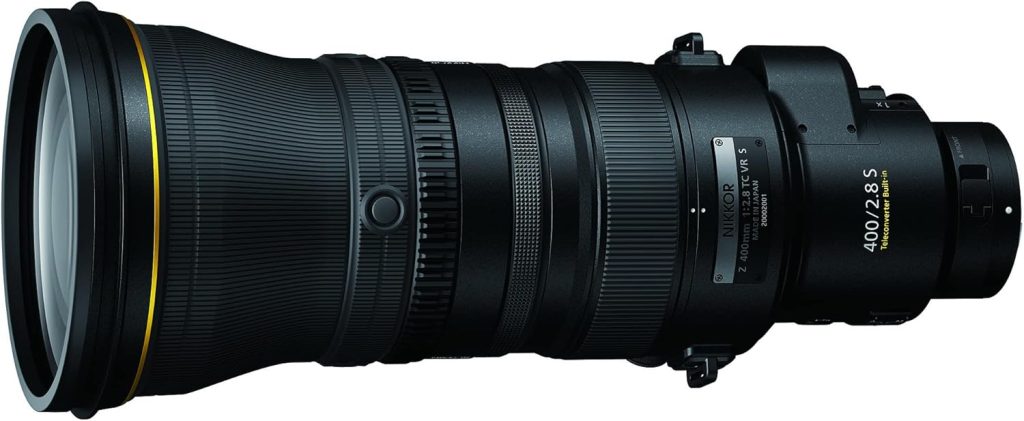
NIKKOR Z 400mm f/2.8 TC VR S Specs Table:
| Specification | Details |
|---|---|
| Type | Z-Mount / Full-Frame / Fixed Prime |
| Mount | Nikon Z |
| Focal Length | 400mm (560mm with built-in TC) |
| Aperture | f/2.8 (f/4 with built-in TC engaged) |
| Image Stabilization | Yes — VR with Synchro VR |
| Min. Focus Distance | 2.7m / 8.9 ft |
| Max Magnification | 0.26x (0.36x with built-in TC) |
| Filter Diameter | 46mm drop-in |
| Weather Sealing | Yes — professional grade |
| Weight | 2,936g / 6.47 lbs (incl. tripod collar) |
| Built-in Teleconverter | 1.4x (gives 560mm f/4) |
| External Teleconverter | Z TC-1.4x (560mm f/4) / TC-2.0x (800mm f/5.6) |
| Autofocus | Multi-Focus System |
| Coating | Nano Crystal Coat, Fluorine Coat |
| Price | Approx. $13,997 |
Key Features:
- Built-in 1.4x Teleconverter: Instantly switches between 400mm f/2.8 and 560mm f/4 with a single switch — the ultimate flexibility for professional wildlife work
- f/2.8 Maximum Aperture: The biggest advantage of this lens is its maximum aperture of f/2.8 — 1.4 stops faster than the 400mm f/4.5, performing significantly better in both light-gathering and autofocus.
- Extraordinary Low-Light Performance: f/2.8 means you can shoot at dawn and dusk in conditions where other lenses simply can’t keep up
- Professional Build Quality: Built to withstand the rigors of professional use in all weather conditions
- Outstanding Subject Isolation: f/2.8 at 400mm produces stunning background separation and creamy bokeh that sets images apart
- Insanely Sharp: An insanely sharp lens that still looks good at 560mm with the built-in TC
Pros
- The ultimate wildlife prime for professional use
- Built-in 1.4x TC gives instant 560mm f/4 without carrying an extra accessory
- f/2.8 aperture excels in low light — dawn, dusk and overcast conditions
- Outstanding subject isolation and bokeh at f/2.8
- Compatible with external teleconverters for up to 800mm f/5.6
- Professional-grade weather sealing and build quality
Cons
- Price of approximately $13,997 puts it firmly in professional territory
- At 6.47 lbs a tripod or monopod is essential for extended shooting
- Size and weight make it impractical for hiking or travel
- Built-in TC reduces maximum aperture to f/4 when engaged
Summary:
The NIKKOR Z 400mm f/2.8 TC VR S is the professional wildlife photographer’s dream lens, combining the speed and subject isolation of an f/2.8 prime with the built-in versatility of a 1.4x teleconverter in one extraordinary package. At around $14,000, it’s an investment that few can justify. However, for those who shoot wildlife professionally, particularly in challenging light, it delivers results that simply aren’t possible with slower glass. If budget is no object and you demand the absolute best, this is Nikon’s finest wildlife lens in 2026.
Nikon Z Mirrorless Lens Summary:
Nikon’s Z-mount wildlife lens lineup in 2026 offers something genuinely compelling at every level, from outstanding value to uncompromising professional performance.
Zoom
For photographers seeking the best value and most versatile option, the NIKKOR Z 180-600mm f/5.6-6.3 VR is the standout choice. It delivers an extraordinary zoom range, internal zoom design, and impressive sharpness at a price that makes it the most accessible entry point into serious Nikon Z wildlife photography. For most photographers just starting their super-telephoto journey, this is the lens to buy first.
Those wanting a step up in optical quality and close-focus capability will find the NIKKOR Z 100-400mm f/4.5-5.6 VR S to be one of the finest wildlife zoom lenses money can buy. Its S-Line designation, dual STM motors, and remarkable 0.38x magnification set it apart, particularly for photographers who also shoot smaller wildlife subjects like insects and reptiles.
Prime
Photographers who prefer the precision and image quality of a prime lens will love the NIKKOR Z 400mm f/4.5 VR S — the world’s lightest 400mm prime, and genuinely handhold-able for all-day wildlife shooting. It strikes a perfect balance between reach, portability and affordability that no other lens in the lineup can match.
For those who need serious 600mm reach without the serious price tag of an f/4 prime, the NIKKOR Z 600mm f/6.3 VR S is a revelation. Its Phase Fresnel technology delivers S-Line quality in a surprisingly compact and lightweight package that makes extended handheld shooting at 600mm a realistic proposition.
Finally, for professional wildlife photographers who demand absolute performance regardless of cost, the NIKKOR Z 400mm f/2.8 TC VR S stands alone. Its f/2.8 aperture, built-in 1.4x teleconverter, and extraordinary image quality make it the ultimate tool for capturing wildlife in any light — the lens that professionals reach for when nothing else will do.
Ultimately the right Nikon Z wildlife lens depends on your budget, shooting style, and the subjects you pursue. But whichever you choose, you’ll be shooting with some of the finest wildlife glass available in 2026.
Top Lenses for Sony Wildlife Photography
- Sony FE 600mm f/4 GM OSS Lens
- Sony FE 400-800mm f/6.3-8 G OSS Lens
- Sony FE 200-600mm f/5.6-6.3 G OSS Lens
- Sony FE 70-200mm f/2.8 GM OSS II Lens
In 2026, Sony’s E-mount mirrorless system continues to be one of the most compelling platforms for wildlife photography, offering a growing lineup of exceptional telephoto lenses that combine outstanding optical quality with Sony’s industry-leading autofocus technology. Whether you’re chasing birds in flight, or Bison at Yellowstone or photographing shy woodland creatures, Sony has a lens that will meet your needs.
Sony’s wildlife lens lineup has seen an exciting new addition in 2025 with the announcement of the FE 400-800mm f/6.3-8 G OSS — Sony’s longest ever zoom lens — joining an already outstanding roster that includes the legendary 600mm f/4 GM and the hugely popular 200-600mm G OSS. Combined with Sony’s Alpha camera bodies and their extraordinary subject tracking and eye-detection autofocus, these lenses give wildlife photographers an extraordinarily powerful system in 2026.
1) Sony FE 600mm f/4 GM OSS Lens
Unmissable Wildlife Encounters
The Sony FE 600mm f/4 GM OSS offers remarkable reach and impressive speed in a refined, super‑telephoto design. Built with G Master optics, a tough exterior, and a surprisingly lightweight build, it provides excellent versatility in the field. As a super‑telephoto prime, it excels at capturing wildlife, and its fast autofocus, effective image stabilization, and intuitive handling make it a strong choice for professional photographers.
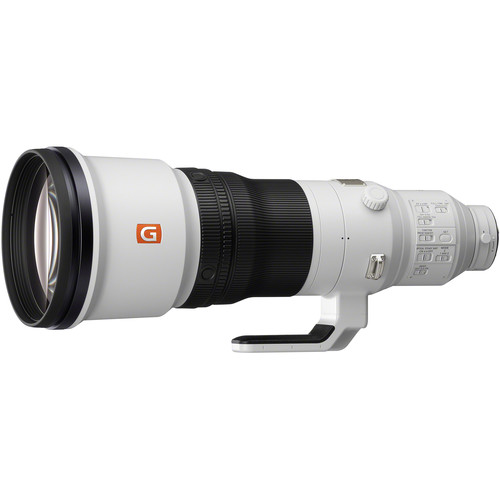
Sony FE 600mm f/4 GM OSS Specs Table
| Specification | Details |
|---|---|
| Type | E-Mount / Full-Frame / Fixed Prime |
| Mount | Sony E |
| Focal Length | 600mm |
| Aperture Range | f/4 to f/22 |
| Image Stabilization | Yes — OSS (updated firmware 2026) |
| Min. Focus Distance | 4.5m / 14.8 ft |
| Max Magnification | 0.14x |
| Filter Diameter | 46mm drop-in |
| Weather Sealing | Yes — Magnesium Alloy + Fluorine Coating |
| Weight | 3,040g / 6.7 lbs |
| Optical Elements | 3 Fluorite, 2 ED, 1 XA Elements |
| Autofocus | Dual XD Linear Motors |
| Diaphragm | Rounded 11-Blade |
| Tripod Collar | Fixed, Rotating |
| Coating | Nano AR and Fluorine |
| Teleconverter | Compatible — 840mm f/5.6 (1.4x) / 1200mm f/8 (2x) |
Key Features:
- Birds in Breathtaking Detail: This lens bridges vast distances for exquisite close-up portraits of birds across the US. Imagine capturing a Scarlet Macaw in the Everglades or a Great Horned Owl in the Rockies. Freeze the action of a hummingbird or showcase an eagle’s wingspan – all with stunning detail.
- Nature Photography Masterpiece: This lens is perfect for wildlife adventures across diverse landscapes. From powerful bison on the Great Plains to elusive bobcats in the Southwest, capture stunning wildlife portraits with exceptional detail.
- Exceptional Performance: This lens prioritizes exceptional image quality. The bright f/4 aperture excels in various lighting conditions. This allows for faster shutter speeds and sharper images, especially crucial in low-light environments. Expect exceptional sharpness, clarity, and minimized chromatic aberration.
- Lightweight Champion: Remarkably lightweight for a super-telephoto lens, the Sony FE 600mm f/4 GM OSS is easier to manage on wildlife photography adventures.
- Silent, Speedy Focus: This lens features Sony’s XD Linear Motors for exceptionally fast, quiet, and precise autofocus. This allows you to effortlessly track fast-moving wildlife and capture those decisive moments.
- Steady Shots, Sharp Results: Built-in image stabilization minimizes camera shake for sharp images even at slower shutter speeds.
- A Dream Lens for Wildlife Photographers: The Sony FE 600mm f/4 GM OSS is a professional-grade lens for serious photographers who demand the absolute best.
Pros
- Exceptional focal length for capturing distant wildlife in stunning detail
- Superior image quality and fast aperture for sharp low-light photos
- Lightweight and well-balanced design for mirrorless cameras
- Fast and precise autofocus system for capturing fleeting moments
- Built-in image stabilization for sharp results in various conditions
Cons
- Potentially high cost compared to some telephoto lens options
- While lighter than some super-telephoto lenses, a tripod is still recommended for extended shooting sessions or for situations where you need maximum image stability, especially at slower shutter speeds.
- The f/4 maximum aperture is good for low-light conditions, but you might still need to adjust ISO in very dim situations.
Summary:
The Sony FE 600mm f/4 GM OSS Lens is a powerful tool for serious wildlife photographers in the US seeking a well-balanced combination of exceptional reach, image quality, and portability in a mirrorless system. The impressive focal length, superior image quality, fast autofocus, and built-in image stabilization make it ideal for capturing breathtaking wildlife moments across diverse landscapes. However, the potential cost and size are important factors to consider before investing. Described by professional wildlife photographers as “the ultimate lens for wildlife photography” and “the first 600mm prime lens designed for mirrorless cameras”
At approximately $14K this is a significant professional investment, but for those who demand the absolute best in Sony wildlife photography, it remains unmatched.
2) Sony FE 400-800mm f/6.3-8 G OSS
Announced in February 2025, the Sony FE 400-800mm f/6.3-8 G OSS immediately made waves in the wildlife photography community — and for good reason.For most wildlife photographers shooting with Sony, this is now the best overall zoom lens option, offering Sony’s longest ever zoom reach in a package that remains handhold-able for field use. It builds directly on the beloved 200-600mm formula — same internal zoom design, same excellent handling — but pushes the reach an additional 200mm further while adding a significantly improved autofocus system. In other words, everything you already loved about the 200-600mm is still here, just better in every way that matters in the field. With a dual linear motor autofocus system and an 11-blade circular aperture that produces beautifully smooth bokeh, this is a landmark lens for Sony wildlife photographers in 2026.
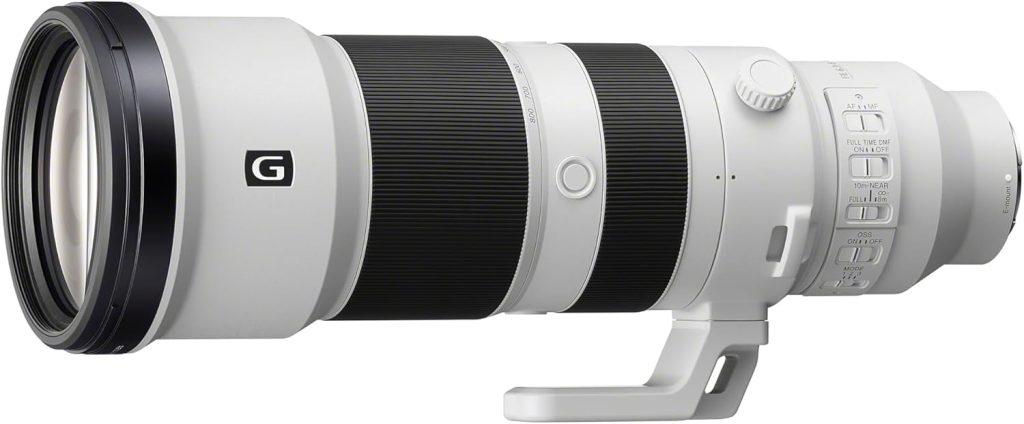
Sony FE 400-800mm f/6.3-8 G OSS Specs Table:
| Specification | Details |
|---|---|
| Type | E-Mount / Full-Frame / Zoom |
| Mount | Sony E |
| Focal Length | 400-800mm |
| Aperture Range | f/6.3-8 |
| Image Stabilization | Yes — OSS (3 modes) |
| Min. Focus Distance | 1.7m / 5.6 ft (at 400mm) |
| Max Magnification | 0.23x |
| Filter Diameter | 105mm |
| Weather Sealing | Yes — Fluorine Coating |
| Weight | 2,475g / 5.45 lbs |
| Optical Elements | 27 elements in 19 groups |
| Special Elements | 6 ED Elements |
| Autofocus | Dual Linear Motors |
| Diaphragm | 11-Blade Circular |
| Zoom Design | Internal Zoom |
| Teleconverter | 1.4x (1120mm) / 2x (1600mm) |
Pros
- Sony’s longest ever zoom lens — extraordinary reach for wildlife
- Better autofocus and sharper at 800mm than the 200-600mm with a 1.4x teleconverter PetaPixel
- Internal zoom for consistent handling and superior weather sealing
- Dual linear AF motors deliver fast, accurate subject tracking
- Excellent close-focus capability at the wide end
- Beautiful circular bokeh from 11-blade diaphragm
- Compatible with Sony teleconverters for up to 1600mm reach
Cons
- Variable aperture narrows to f/8 at 800mm — low light performance is limited
- Heavier than the 200-600mm by about 360 grams PetaPixel — a noticeable difference for extended handheld shooting
- No wide-angle coverage below 400mm — less versatile than the 200-600mm for environmental shots
- Price has increased due to tariffs — now approximately $3,298 in the US PetaPixel, making it considerably more expensive than the 200-600mm
- 105mm filter size makes filters expensive
Summary:
The Sony FE 400-800mm f/6.3-8 G OSS is the most exciting new wildlife lens Sony has released in years and immediately becomes the go-to recommendation for serious Sony wildlife photographers in 2026. Its combination of extraordinary reach, internal zoom design, fast dual linear autofocus, and excellent image quality makes it a genuinely compelling upgrade over the 200-600mm — particularly for bird photographers who regularly need that extra reach beyond 600mm. While the narrower aperture and higher price compared to the 200-600mm are real considerations, for photographers who spend most of their time at longer focal lengths, the 400-800mm is a clear step forward.
3) Sony FE 200-600mm f/5.6-6.3 G OSS Lens:
A Versatile Super-Telephoto Zoom for Wildlife: The Sony FE 200-600mm f/5.6-6.3 G OSS is a versatile super-telephoto zoom lens that caters to a variety of wildlife photography needs. The impressive 200-600mm zoom range offers tremendous flexibility, allowing you to capture a wide variety of wildlife subjects, from tight close-up portraits of distant animals to wider environmental shots that showcase their habitat.
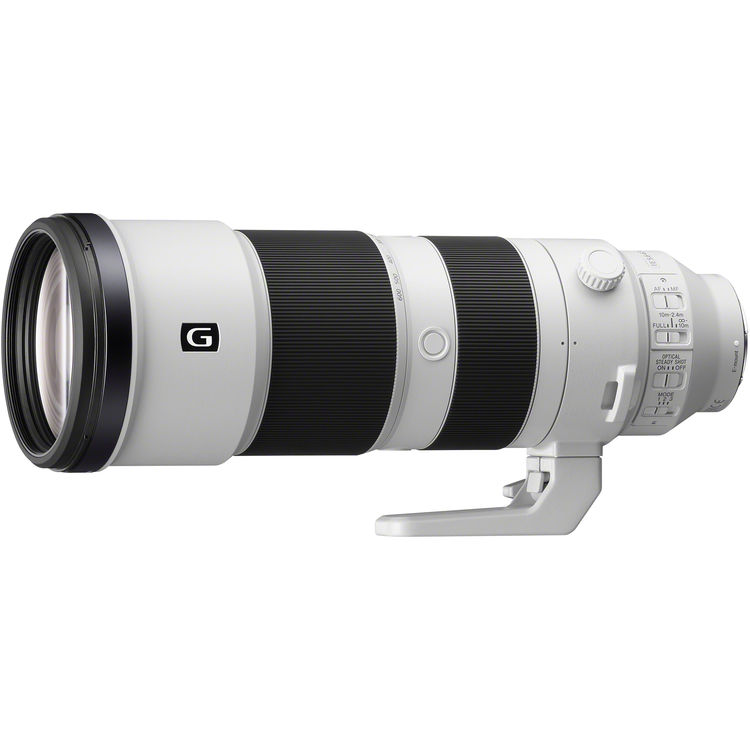
Sony FE 200-600mm f/5.6-6.3 G OSS Spec Sheet
| Specification | Details |
|---|---|
| Type | E-Mount / Full-Frame / Zoom |
| Mount | Sony E |
| Focal Length | 200-600mm |
| Aperture Range | f/5.6-6.3 |
| Image Stabilization | Yes — OSS 3-Mode (updated firmware 2026) |
| Min. Focus Distance | 2.4m / 7.9 ft |
| Max Magnification | 0.2x |
| Filter Diameter | 95mm |
| Weather Sealing | Yes |
| Weight | 2,115g / 4.67 lbs |
| Optical Elements | 24 elements in 17 groups |
| Autofocus | Direct Drive SSM |
| Diaphragm | 11-Blade Circular |
| Zoom Design | Internal Zoom |
| Teleconverter | 1.4x (840mm) / 2x (1200mm) |
Key Features
- Bird Photography: This lens is well-suited for bird photography. The zoom range lets you capture a variety of bird behaviors, from the intricate details of a perched hummingbird to the powerful wingbeat of an eagle in flight.
- Travel Wildlife Photography: The versatile zoom range and manageable weight make this lens a good option for wildlife photography adventures. You can capture a wide range of subjects without needing to carry multiple lenses, which is especially beneficial when traveling or trekking through diverse locations.
- Sharp Optics and Good Image Quality: This lens delivers good image quality throughout the zoom range. The combination of ED (Extra-low Dispersion) glass elements and an aspherical element minimizes chromatic aberration and ensures sharp, clear images. While the maximum aperture narrows as you zoom in (f/5.6 at 200mm and f/6.3 at 600mm), it’s still good enough to capture wildlife in various lighting conditions.
- Impressively Light for a Super-Telephoto Zoom: For a super-telephoto zoom lens, the Sony FE 200-600mm f/5.6-6.3 G OSS is surprisingly lightweight, making it easier to carry on wildlife photography adventures. This is a significant advantage, especially when trekking through diverse terrains or shooting for extended periods.
- Fast and Quiet Focus for Capturing Decisive Moments: The lens features a Direct Drive SSM (Super Sonic wave Motor) autofocus system that delivers fast, quiet, and precise focusing performance. This is crucial for tracking fast-moving wildlife subjects and ensuring you capture those fleeting moments in sharp detail.
- Image Stabilization Advantage: Built-in Optical SteadyShot (OSS) image stabilization effectively minimizes camera shake, allowing you to capture sharp images at slower shutter speeds that are often necessary in wildlife photography. This is especially helpful when shooting at full zoom or in low-light situations.
- A Great Value for Wildlife Photography Enthusiasts: Compared to some higher-end super-telephoto lenses, the Sony FE 200-600mm f/5.6-6.3 G OSS is offered at a more affordable price point. This makes it a compelling option for wildlife photography enthusiasts who want a versatile zoom lens with good image quality and a telephoto reach that gets them closer to the action.
Pros and Cons:
- Maximum Aperture: While good for various lighting conditions, the f/5.6-6.3 aperture might limit low-light performance somewhat compared to faster prime lenses. You might need to adjust ISO or use flash in very dim situations.
- Tripod Recommended for Extended Use: A tripod is recommended for extended shooting sessions or situations where you need maximum image stability, especially at slower shutter speeds and full zoom.
- The newer FE 400-800mm offers better autofocus and superior sharpness at 800mm, making this lens feel slightly dated for dedicated bird photographers who need maximum reach
Summary:
This Sony zoom lens is an excellent choice for wildlife photographers who use Sony mirrorless cameras. The impressive 200-600mm zoom range allows you to capture various subjects, from close-up portraits of large animals to distant birds in their natural habitat. The lens has an aperture range of f/5.6 to f/6.3, providing good low-light performance throughout the zoom range. Additionally, the built-in image stabilization feature ensures your photos remain sharp, even at slower shutter speeds. This lens offers the perfect balance of telephoto reach, zoom flexibility, and manageable weight for wildlife photographers who are always on the move.Add to Pros:
Still one of the best value super-telephoto zooms available at approximately $1,998 — particularly compelling compared to the newer 400-800mm if budget is a consideration
4) Sony FE 70-200mm f/2.8 GM OSS II Lens
As a wildlife and bird photographer in the US, capturing the captivating behaviors and details of our diverse fauna often requires a versatile lens that balances portability and powerful zoom. The Sony FE 70-200mm f/2.8 GM OSS II Lens is a great choice as it offers a flexible zoom range and exceptional image quality in a well-balanced package.
This Sony G Master lens is an excellent companion for wildlife photography adventures across vast American landscapes. In this article, we will explore its key features, weigh the pros and cons, and see whether the FE 70-200mm f/2.8 GM OSS II Lens is the perfect tool to take your wildlife photography to the next level.
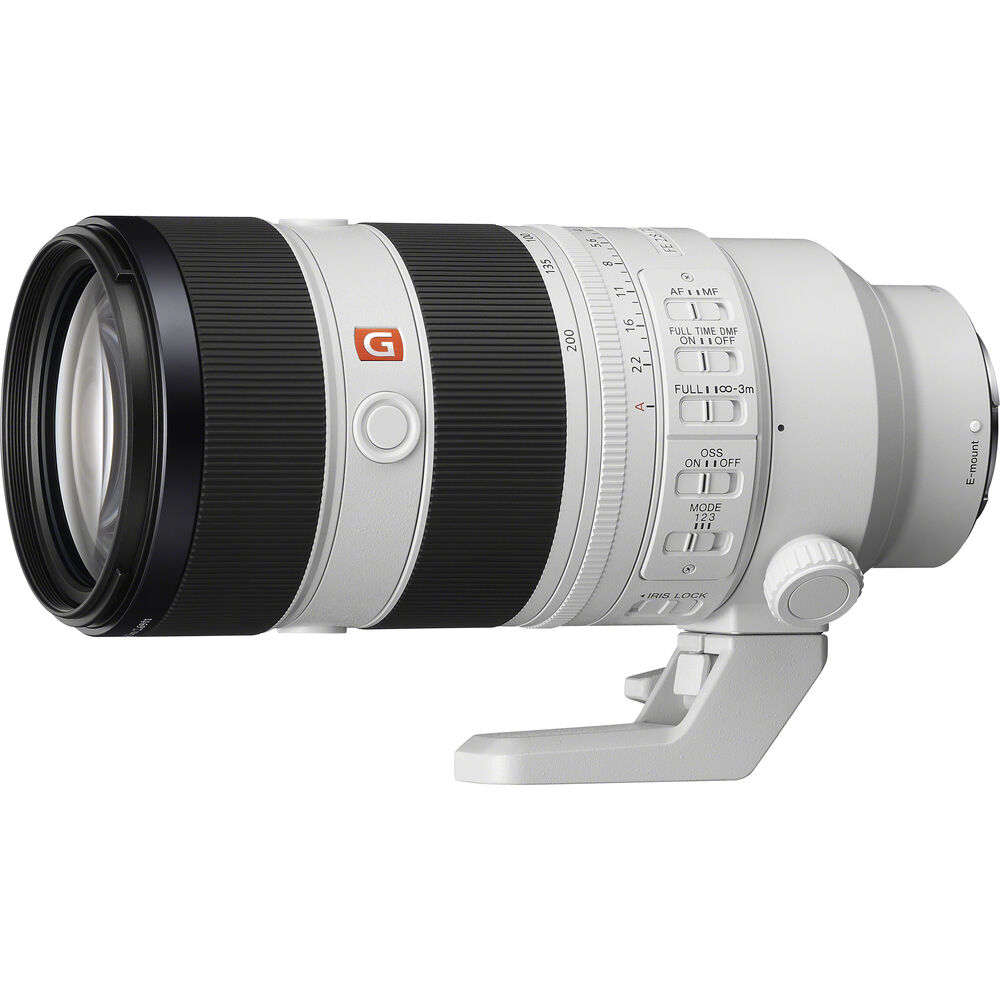
Buy from Amazon
Sony FE 70-200mm f/2.8 GM OSS II
| Specification | Details |
|---|---|
| Type | E-Mount / Full-Frame / Zoom |
| Mount | Sony E |
| Focal Length | 70-200mm |
| Aperture Range | f/2.8 to f/22 |
| Image Stabilization | Yes — OSS |
| Min. Focus Distance | 0.4m / 1.3 ft (at 70mm) |
| Max Magnification | 0.3x |
| Filter Diameter | 77mm |
| Weather Sealing | Yes — Dust and Moisture Resistant |
| Weight | 1,045g / 2.3 lbs |
| Optical Elements | 1 XA, 1 Aspherical, 2 ED, 2 Super ED Elements |
| Autofocus | 4x XD Linear AF Motors |
| Diaphragm | 11-Blade Circular |
| Zoom Design | Internal Zoom |
| Coating | Nano AR Coating II |
| Teleconverter | Compatible — 280mm f/4 (1.4x) / 400mm f/5.6 (2x) |
| Weight Reduction | 29% lighter than the original GM OSS |
Key Features
- Versatile Zoom Range (70-200mm): The FE 70-200mm f/2.8 GM OSS II Lens boasts a versatile 70-200mm zoom range, providing valuable flexibility for various wildlife photography situations. With a single lens, you can effortlessly switch from capturing wide landscape scenes with wildlife to framing tighter close-up portraits of birds in flight.
- Superior Image Quality and Fast Aperture: Sharpness and clarity are paramount for wildlife photography, ensuring you capture the intricate details that bring your subjects to life. This Sony lens incorporates high-quality G Master optics and a large f/2.8 maximum aperture. Expect crisp details, beautiful bokeh effects, and excellent low-light performance, allowing you to capture those magical wildlife moments before sunrise or after sunset.
- Lightweight and Well-Balanced Design: Wildlife photography involves carrying your gear for long treks. The FE 70-200mm f/2.8 GM OSS II Lens prioritizes a lightweight and well-balanced design for comfortable portability. This makes maneuverability easier while on the go, ensuring you’re prepared to capture wildlife encounters throughout your adventures (Transition: Highlighting Benefits for Wildlife Photography).
- Fast and Precise Autofocus: The fast-paced world of wildlife photography demands a lens that can keep up. This Sony lens features a high-performance autofocus system with linear motors. Expect exceptional focus, speed, and precision to stay locked onto your subjects and confidently capture fleeting wildlife moments.
- Built-in Image Stabilization for Sharp Results: Camera shake can be detrimental to wildlife photography sharpness, especially at slower shutter speeds, which are often needed in low-light situations. The FE 70-200mm f/2.8 GM OSS II Lens features built-in Optical SteadyShot (OSS) image stabilization. This effectively combats camera shake, resulting in sharper images and reduced blur, even when using slower shutter speeds or handheld.
- When paired with Sony’s 2x teleconverter, this lens delivers a 400mm f/5.6 equivalent — giving APS-C Sony shooters an effective 600mm field of view Shutter Muse, making it a surprisingly versatile wildlife option as a second body lens
Pros and Cons to Consider:
Pros:
- Versatile zoom range for adapting to various wildlife encounters
- Superior image quality and fast aperture for sharp wildlife photos
- Lightweight and well-balanced design for comfortable portability
- Fast and precise autofocus system for capturing fleeting moments
- Built-in image stabilization for sharp results in various conditions
Cons:
- Potentially higher cost compared to some telephoto zoom lens options
- It is not the absolute longest reach for very distant wildlife
Summary:
The Sony FE 70-200mm f/2.8 GM OSS II Lens is a well-rounded choice for wildlife photographers in the US seeking a versatile and high-performing zoom lens. The combination of a flexible zoom range, excellent image quality, fast autofocus. The built-in image stabilization makes it a valuable companion for capturing captivating wildlife moments across diverse landscapes. However, photographers prioritizing a lower price point, or the absolute longest reach may need to consider alternative options.
In 2026 this lens continues to be the ideal companion lens alongside a longer super-telephoto — perfect for those moments when the wildlife comes closer than expected and 600mm is simply too much reach.
Sony Mirrorless Lens Summary
Sony’s E-mount wildlife lens lineup in 2026 is arguably the most exciting it has ever been, bolstered by the landmark arrival of the FE 400-800mm f/6.3-8 G OSS and recent firmware updates that have improved stabilization across the entire telephoto range.
For photographers seeking the ultimate in reach and the most exciting new addition of 2025, the Sony FE 400-800mm f/6.3-8 G OSS immediately establishes itself as the top wildlife zoom recommendation for Sony shooters in 2026. Its internal zoom design, dual linear autofocus motors, extraordinary 800mm reach, and impressive close-focus capability make it a genuinely compelling choice for bird photographers and wildlife enthusiasts who need maximum focal length in a handhold-able package. At around $2,899-$3,298 it represents a significant step up from the 200-600mm but delivers meaningfully better performance at the long end.
The legendary Sony FE 200-600mm f/5.6-6.3 G OSS remains an outstanding and more affordable option — particularly for photographers who value the wider 200mm starting focal length for environmental shots and telephoto landscapes. At approximately $1,998 and with its recently updated firmware improving stabilization, it continues to deliver excellent results and remains one of the best value super-telephoto zooms available on any system in 2026.
When Only a Prime Will Do
For professional wildlife photographers who demand the absolute best in low-light performance and image quality, the Sony FE 600mm f/4 GM OSS stands alone. Its f/4 aperture, G Master optics, dual XD linear motors, and its own recent firmware update improving IBIS coordination make it the professional’s choice when nothing else will do. At approximately $12,998 it’s a serious investment, but for those who need to shoot at dawn, dusk or in challenging light, no zoom lens can match what this prime delivers.
Finally, the Sony FE 70-200mm f/2.8 GM OSS II rounds out the lineup as the perfect companion lens — 29% lighter than its predecessor, outstanding in low light, and capable of reaching 400mm f/5.6 with the 2x teleconverter. It’s the lens that covers the situations where your super-telephoto is simply too much reach, and it excels at environmental wildlife portraits that place your subject in the context of its habitat.
Together these four lenses give Sony wildlife photographers one of the most comprehensive and capable wildlife lens systems available anywhere in 2026 — with options to suit every budget, every shooting style, and every wildlife encounter.
Best Lenses for OM System Wildlife Photography
OM System (formerly Olympus) continues to make a compelling case for Micro Four Thirds as a serious wildlife photography platform in 2026, and its lens lineup has never been stronger. The inherent 2x crop factor advantage of the MFT system means that every lens delivers double the effective focal length. That means a 300mm lens behaves like a 600mm full-frame equivalent, and a 600mm lens delivers a staggering 1200mm equivalent reach. This, combined with OM System’s legendary weather sealing, compact form factor, and outstanding image stabilization, makes the system uniquely compelling for wildlife photographers who need serious reach without serious weight.
The biggest news for OM System in 2025 was the announcement of the extraordinary ED 50-200mm f/2.8 IS PRO — the world’s first and only fully weather-sealed super-telephoto zoom offering a 100-400mm equivalent range with a constant f/2.8 aperture. This landmark lens joins an already outstanding lineup that includes the legendary 150-400mm f/4.5 TC PRO and the popular 150-600mm and 100-400mm zooms.
- OM System M.Zuiko Digital ED 50-200mm f/2.8 IS PRO
- OM System M.Zuiko 150-400mm f/4.5 TC 1.25 IS PRO
- OM System M.Zuiko Digital ED 150-600mm f/5-6.3 IS
- OM System M.Zuiko Digital ED 100-400mm f/5-6.3 IS
1. OM System M.Zuiko Digital ED 50-200mm f/2.8 IS PRO
Intro: When OM System announced the M.Zuiko Digital ED 50-200mm f/2.8 IS PRO in September 2025, the Micro Four Thirds community collectively held its breath. This was a lens that had been on the roadmap for years, and it did not disappoint. The 50-200mm f/2.8 IS PRO has a native focal length of 50-200mm, which gives a 100-400mm full-frame equivalent. So, the key features, pros, and cons should focus on what makes THIS specific lens special, its f/2.8 constant aperture, compact size, and versatility as a mid-range super-telephoto.
OM System M.Zuiko Digital ED 50-200mm f/2.8 IS PRO Specs Table:
| Specification | Details |
|---|---|
| Type | Micro Four Thirds / Zoom / PRO |
| Mount | Micro Four Thirds |
| Focal Length | 50-200mm (100-400mm equivalent) |
| Aperture | Constant f/2.8 |
| Image Stabilization | 5-axis Sync IS — up to 7 stops |
| Min. Focus Distance | 0.78m / 2.6 ft |
| Max Magnification | 0.5x (35mm equivalent) |
| Filter Diameter | 77mm |
| Weather Sealing | Yes — IP53 certified, Freezeproof to -10°C |
| Weight | 1,075g / 2.37 lbs (excl. tripod collar) |
| Optical Elements | 21 elements in 13 groups |
| Special Elements | 1 ED, 2 Super ED, HR and E-HR elements |
| Autofocus | Fast internal AF |
| Diaphragm | 9-Blade Circular |
| Zoom Design | Internal Zoom |
| Teleconverter | MC-14 (560mm eq. f/4) / MC-20 (800mm eq. f/5.6) |
| Price | $3,699 |
Key Features:
- Constant f/2.8 Aperture: A constant f/2.8 aperture throughout the entire 50-200mm zoom range — delivering outstanding low-light performance and beautiful subject separation that no other MFT telephoto zoom can match
- 100-400mm Full-Frame Equivalent: The Micro Four Thirds 2x crop factor transforms this 50-200mm lens into a 100-400mm equivalent — giving you serious wildlife reach in a remarkably compact package Up to 7 Stops Image Stabilization: 5-axis Sync IS working in harmony with compatible OM System bodies delivers up to 7 stops of stabilization — extraordinary for handheld shooting at longer focal lengths
- Outstanding Close Focus: Minimum focus distance of just 0.78m with 0.5x magnification — rare for a super-telephoto zoom and perfect for smaller wildlife, insects and flowers
- IP53 Weather Sealing: Fully certified splash, dust and freezeproof down to -10°C — built for serious outdoor wildlife photography in all conditions
- Internal Zoom and Focus: Both zoom and focus are internal, meaning the lens maintains constant length and perfect balance throughout the entire focal range
- Teleconverter Compatible: MC-14 gives 70-280mm / 140-560mm equivalent at f/4, MC-20 gives 100-400mm / 200-800mm equivalent at f/5.6
Pros:
- World’s only fully weather-sealed 100-400mm equivalent lens with constant f/2.8 aperture
- Transforms low-light wildlife shooting on MFT, so you can shoot at dawn and dusk like never before on this system
- 7 stops of image stabilization is extraordinary for handheld telephoto shooting
- Outstanding close focus of 0.78m makes it uniquely versatile for wildlife macro work
- Internal zoom maintains perfect balance and excellent weather sealing
- Supports blazing 50fps continuous AF on compatible OM System bodies
- Significantly more versatile than the 40-150mm f/2.8 Pro it supersedes with greater reach and IS
- Exceptional sharpness wide open at f/2.8 throughout the zoom range
Cons:
- At $3,699 it is a premium investment — significantly more expensive than the 40-150mm f/2.8 Pro
- Heavier than the 40-150mm f/2.8 Pro at 1,075g / 2.37 lbs
- Maximum equivalent focal length of 400mm may not satisfy photographers who regularly need 600mm or beyond
- Not a replacement for the 150-400mm TC PRO or 150-600mm for maximum reach applications
- Teleconverters reduce the f/2.8 advantage — MC-20 brings aperture to f/5.6
- Premium price may be hard to justify for casual MFT wildlife photographers
Summary:
The OM System M.Zuiko Digital ED 50-200mm f/2.8 IS PRO is without question the most exciting OM System lens release in years and one of the most innovative wildlife lenses of 2025. It does something no other lens on any system can do — deliver a 100-400mm equivalent range at a constant f/2.8 aperture in a compact, weather-sealed, internally zooming package weighing just 2.37 lbs. For serious OM System wildlife photographers who have previously been limited to slower apertures at longer focal lengths, this lens is transformative. Yes it’s expensive for an MFT lens — but there is quite simply nothing else like it anywhere.
2. OM System M.Zuiko 150-400mm f/4.5 TC 1.25 IS PRO
Super Telephoto PRO Lens 300-800mm (35mm equivalent) that enables 1000mm (35mm equivalent) handheld shooting through built-in teleconverter
OM System M.Zuiko 150-400mm f/4.5 TC 1.25 IS PRO specs table:
| Specification | Details |
|---|---|
| Type | Micro Four Thirds / Zoom / PRO |
| Mount | Micro Four Thirds |
| Focal Length | 150-400mm (300-800mm equivalent) |
| Aperture | f/4.5 (f/5.6 with built-in TC) |
| Built-in Teleconverter | 1.25x (375-1000mm equivalent at f/5.6) |
| Image Stabilization | Yes — Sync IS |
| Min. Focus Distance | 1.3m / 4.3 ft |
| Max Magnification | 0.5x (with built-in TC) |
| Filter Diameter | 72mm |
| Weather Sealing | Yes — IP53 certified |
| Weight | 1,875g / 4.13 lbs |
| Optical Elements | PRO grade multi-element design |
| Autofocus | Fast PRO-grade AF |
| External Teleconverter | MC-20 gives up to 2000mm equivalent |
Key Features:
- Excellent Reach for Micro Four Thirds System: This lens offers a remarkable 150-400mm focal length, which translates to a 300-800mm equivalent focal length on a full-frame camera due to the Micro Four Thirds system’s crop factor. This extended reach allows you to capture compelling close-up portraits of distant wildlife while maintaining a safe distance in their natural habitat.
- Lightweight and Portable: While a telephoto zoom lens, the OM System M.Zuiko Digital ED 150-400mm f/4.5 TC1.25X IS PRO is lighter than many comparable lenses designed for full-frame cameras. This makes it a more manageable option for wildlife photography adventures, especially when hiking long distances or carrying your gear for extended periods.
- Built-in Teleconverter for Extended Reach: The unique feature of this lens is the built-in 1.25x teleconverter. With a simple switch, you can extend the focal length to a staggering 800mm equivalent (full-frame), getting you even closer to the action.
- Fast and Precise Autofocus: The lens utilizes an MSC (Movie Still Compatible) autofocus system that delivers fast, quiet, and precise focusing performance. This is crucial for tracking fast-moving wildlife subjects and ensuring sharp images of those fleeting moments.
- Image Stabilization Advantage: Built-in image stabilization effectively minimizes camera shake, allowing you to capture sharp images at slower shutter speeds that are often necessary in wildlife photography. This is especially helpful when shooting at full zoom or in low-light situations.
- Stack the external MC-20 teleconverter on top of the built-in TC and you reach a staggering 2,000mm equivalent — fully weather-sealed, stabilized and autofocusing throughout. This remains one of the most extraordinary reach-to-weight ratios of any lens system in the world.
Pros and Cons:
Pros:
- Impressive Effective Focal Length: With a built-in 1.25x teleconverter, this lens offers a 375-1000mm equivalent focal length on Micro Four Thirds cameras, thanks to the crop sensor multiplier. This substantial reach brings distant wildlife subjects incredibly close for detailed portraits.
- Excellent Image Quality: This lens boasts high-quality optics and a constant f/4.5 aperture throughout the zoom range, even with the teleconverter engaged. Expect sharp images, good low-light performance, and beautiful bokeh effects.
- Built-In Image Stabilization: The lens features a powerful 5-axis image stabilization (IS) system that effectively combats camera shake, ensuring sharp results even at slower shutter speeds common in wildlife photography.
- Fast and Precise Autofocus: The lens utilizes a high-speed autofocus system for quick focus lock and tracking, perfect for capturing fleeting wildlife moments and action shots.
- Weather-Sealed Construction: The lens is built to withstand challenging weather conditions, making it ideal for outdoor wildlife photography.
- Minimum Focus Distance: This lens boasts an impressive minimum focus distance of just 1.3 meters (4.25 feet) throughout the zoom range, even with the teleconverter. This allows you to capture detailed close-up shots of wildlife.
Cons:
- Larger and Heavier Design: Compared to other Micro Four Thirds telephoto lenses, this lens is larger and heavier. While still more portable than many full-frame super-telephoto lenses, it’s important to consider for long treks.
- Variable Image Quality with Teleconverter: While the image quality remains good, the built-in teleconverter can slightly reduce sharpness and increase the minimum aperture to f/5.6.
- High Cost: This is a premium lens with a premium price tag.
- Micro Four Thirds System Only: This lens is specifically designed for Micro Four Thirds cameras and won’t be compatible with other camera systems.
Summary
The OM System M.Zuiko Digital ED 150-400mm f/4.5 TC1.25X IS PRO lens is an excellent option for wildlife photographers who use Micro Four Thirds cameras. It provides a well-balanced combination of focal length, image quality, portability, and a built-in teleconverter for additional reach, making it an invaluable asset for capturing breathtaking wildlife shots.
The lens is notable for its integrated 1.25x teleconverter. When activated, the effective focal length extends to an impressive 1875mm, ideal for extreme close-ups of wildlife. The base focal range of 150-400mm offers substantial versatility. A consistent f/4.5 aperture across the zoom range ensures solid performance in low-light conditions. The lens’ built-in image stabilization is beneficial for capturing sharp images at lower shutter speeds.
However, the size, weight, cost, and slight reduction in image quality with the teleconverter are important factors to weigh before investing.
3. OM System M.Zuiko Digital ED 150-600mm f/5-6.3 IS
Wildlife and bird photographers in the United States explore various terrains in search of capturing the hidden gems of the natural world. Achieving success in this field often depends on possessing a lens that provides excellent magnification and is easy to carry around. The OM SYSTEM M.Zuiko Digital ED 150-600mm f/5-6.3 IS Lens is a super-telephoto zoom lens that has been created to enable photographers to take incredibly detailed portraits of faraway subjects.
The M.Zuiko Digital ED 150-600mm f/5-6.3 IS Lens is designed for Micro Four Thirds mirrorless cameras and boasts impressive image quality while maintaining a compact size. In this review, we will examine its key features, analyze its advantages and disadvantages, and determine whether this lens can enhance your wildlife photography experiences across the vast landscapes of the United States.
With the MC-20 teleconverter this lens can reach an extraordinary 2400mm full-frame equivalent — making it one of the longest effective focal lengths available in any mirrorless system.
OM System M.Zuiko Digital ED 150-600mm f/5-6.3 IS specs table:
| Specification | Details |
|---|---|
| Type | Micro Four Thirds / Zoom |
| Mount | Micro Four Thirds |
| Focal Length | 150-600mm (300-1200mm equivalent) |
| Aperture Range | f/5-6.3 |
| Image Stabilization | Yes — Sync IS |
| Min. Focus Distance | 1.4m at 150mm / 2.5m at 600mm |
| Filter Diameter | 82mm |
| Weather Sealing | Yes |
| Weight | Approx. 2,035g / 4.5 lbs |
| Autofocus | Internal AF |
| Teleconverter | Compatible with MC-14 and MC-20 |
| Full-Frame Equivalent | 300-1200mm |
4. OM System M.Zuiko Digital ED 100-400mm f/5-6.3
Wildlife and bird photographers in the US understand the importance of getting close to their subjects without disturbing their natural habitat. Telephoto lenses bridge this gap, but often at the expense of portability. The OM System M.Zuiko Digital ED 100-400mm f/5-6.3 IS Lens seeks to strike a balance, offering a versatile zoom range and good image quality in a relatively compact and lightweight build.
If you’re looking for a lens that promises a user-friendly experience for capturing stunning wildlife imagery, the M.Zuiko Digital ED 100-400 mm f/5-6.3 IS Lens might be perfect. Let’s delve into its key features, weigh the pros and cons, and see if it’s the lens that will elevate your wildlife photography adventures to the next level.
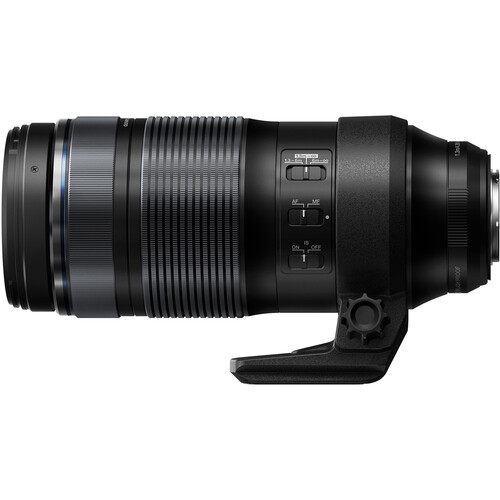
OM System M.Zuiko Digital ED 100-400mm f/5-6.3 specs table:
| Specification | Details |
|---|---|
| Type | Micro Four Thirds / Zoom |
| Mount | Micro Four Thirds |
| Focal Length | 100-400mm (200-800mm equivalent) |
| Aperture Range | f/5-6.3 |
| Image Stabilization | Yes — Sync IS |
| Min. Focus Distance | 0.7m / 2.3 ft |
| Max Magnification | 0.57x (35mm equivalent) |
| Filter Diameter | 72mm |
| Weather Sealing | Yes |
| Weight | 1,380g / 3.04 lbs |
| Autofocus | Internal AF |
| Teleconverter | Compatible with MC-14 and MC-20 |
| Full-Frame Equivalent | 200-800mm |
| Price | Approx. $1,699 |
Pros and Cons: A Compact Option for Wildlife and Bird Enthusiasts
Pros:
- Versatile zoom range for various birdwatching and wildlife photography situations
- Weather-sealed design for protection against light weather elements
- Built-in image stabilization for sharp results, especially at slower shutter speeds
- Fast and accurate autofocus system to capture fleeting moments
- Compact and lightweight design for comfortable portability on hikes
Cons:
- Variable aperture (f/5-6.3) may limit low-light performance at the telephoto end
- It is not the absolute longest reach for extremely distant wildlife.
OM System Summary:
OM System’s wildlife lens lineup in 2026 is the most compelling it has ever been, anchored by the landmark new 50-200mm f/2.8 IS PRO and supported by some of the most extraordinary reach-to-weight ratios available on any camera system in the world.
The crown jewel of the 2026 lineup is the brand new M.Zuiko Digital ED 50-200mm f/2.8 IS PRO — the world’s only 100-400mm equivalent lens with a constant f/2.8 aperture. With up to 7 stops of image stabilization and outstanding sharpness wide open, this lens does things that simply aren’t possible on any other system at this weight and size.
For photographers who need maximum reach above all else, the M.Zuiko 150-400mm f/4.5 TC 1.25 IS PRO remains one of the most extraordinary wildlife lenses ever made. Its built-in 1.25x teleconverter gives 375-1000mm equivalent reach, and stacking the MC-20 takes it to a mind-bending 2000mm equivalent — all in a weather-sealed, handholdable package.
Maximum Reach at an Accessible Price
The M.Zuiko Digital ED 150-600mm f/5-6.3 IS is the reach monster of the lineup — delivering a 300-1200mm equivalent range that can be pushed to an extraordinary 2400mm equivalent with the MC-20 teleconverter. For bird photographers who need maximum focal length at an accessible price, this is an outstanding option.
Finally, the M.Zuiko Digital ED 100-400mm f/5-6.3 IS rounds out the lineup as the most accessible and versatile entry point into serious OM System telephoto photography. Its 200-800mm equivalent range, impressive close-focus capability, and weather-sealed build make it an excellent choice for wildlife photographers just entering the super-telephoto world on the MFT platform.
The OM System advantage — extraordinary reach, compact size, outstanding weather sealing, and up to 7 stops of image stabilization — makes this system uniquely compelling for wildlife photographers in 2026. If you haven’t considered Micro Four Thirds for wildlife photography, these lenses make a powerful argument for doing so.
Overall Lens Summary
The appropriate lens opens up a myriad of opportunities in wildlife photography. It allows you to capture the delicate patterns on a butterfly’s wing or the grandeur of a predator in its habitat, influencing the narratives you can share.
This guide has delved into some of the top lenses for Canon, Nikon, Sony, and OM System cameras, providing you with the essential knowledge to make well-informed choices.
Experiment Before You Invest
When it comes to wildlife photography, choosing the right lens is a personal and expensive decision that depends on your needs and shooting style. Consider factors like budget, desired focal length, aperture range, camera system compatibility, and portability. Experiment with different focal lengths and apertures to find what works best for you. Some camera shops and rental services offer the option to rent lenses before making a purchase, which is an excellent way to test different focal lengths and apertures before committing. Fellow wildlife photographers can also be a great resource, as they may be willing to let you try their lenses in the field, as my first wildlife buddy did for me.
A Note on What’s Ahead
This guide has focused on the long glass, the telephoto primes and zooms that get you close to skittish subjects without spooking them. But wildlife photography isn’t only about reach. Sometimes the most dramatic shot is the wide one: a bison grazing under a huge Yellowstone sky, or a herd stretched across the plains with all that negative space doing the storytelling. That’s a different lens conversation, and one worth having on its own, so keep an eye out for a future post on wide-angle glass for landscape-style wildlife shots.
I’ll also be doing a separate roundup of third-party lens options (Sigma, Tamron, and the like), since there’s genuinely good glass out there beyond the big three brands, and it deserves more than a footnote here.
FAQs
There is no single best camera system. The optimal choice depends on your individual needs. Mirrorless cameras are known for their portability and quiet operation, while DSLRs are favored for their long battery life and excellent optical viewfinders. Crop sensor cameras are appreciated for their affordability and the advantage of an increased effective focal length. It’s best to select a system that aligns with your specific priorities.
Prime lenses provide excellent image quality, larger apertures, and are generally lighter, yet they do not offer zoom capability. Zoom lenses, on the other hand, allow for flexible framing but may have smaller maximum apertures. Your budget and preferred photography style should guide your choice.
Image stabilization is very important for wildlife photography, especially when using telephoto lenses or shooting in low-light conditions. It helps counteract camera shake and ensures sharper images at slower shutter speeds.
Yes, you can physically mount a full-frame lens on a crop sensor camera body. The camera will only use the center portion of the lens’s image circle, effectively cropping the field of view. This is actually an advantage for wildlife photography, as it provides an increased effective focal length, bringing you closer to your subject — and because only the center of the lens is used, there is no loss in image quality within that cropped frame.
In our next blog, we’ll delve deeper into another essential piece of equipment — tripods