Essential Gear for Wildlife Photography
While you can find countless gear guides online, watch reviews, compare specs, and save every “best of” list, nothing beats hands-on experience. Being in the field means missing shots and running out of batteries. Even realizing you’ve packed the wrong lens teaches you what gear is truly essential. We’ve been through it all. That’s the purpose of this blog and why we built this guide.
This isn’t a spec sheet. It’s a practical, field-tested overview of everything that actually matters for wildlife photography. From choosing the right camera body and picking lenses that balance reach and light. To tripods and support systems that keep you steady for hours. The small accessories (memory cards, batteries, filters) that quietly make or break a shoot. Plus, the things that don’t get talked about enough. Clothing, camouflage, and staying safe in the field. Consider this your starting point. We’ll go deeper into each of these in the guides ahead, but here’s the full picture first. From your first camera body to the gear that seems minor until you desperately need it.
Choosing the Right Camera for Your Wildlife Journey
Some photographers research for months and buy exactly the right camera the first time. I didn’t. I walked into a camera store with my mind set on a Nikon D750 and walked out with a Nikon D7500 instead. The numbers confused me. The salesperson didn’t explain the difference. They just rang it up when I pointed at a box and said, “I think it’s that one.” They said it was a great camera, and it was and still is. I didn’t realize until later that the D7500 was a crop-sensor camera, not full-frame. When I think about it, I didn’t even know what a crop sensor was. What I should have walked out with was a D850. It would have been a camera I could have enjoyed for years, instead of feeling as disappointed as I did after discovering the differences between the cameras’ features and benefits.
Avoid Repeating What I did:
- Research, research, research – before you’re standing in the store. Not the night before. Weeks before. Know your sensor formats. Know your price brackets and roughly which bodies are considered entry-level versus those you can grow into. All this before a salesperson stands in front of you.
- If you’re in doubt, don’t buy on the spot. “Let me think about it” is a complete sentence. A good camera store will still be there tomorrow, and a good salesperson won’t pressure you to decide today.
- Ask yourself what you actually want to photograph, first. Fast-moving wildlife at a distance? Macro details up close? Landscapes at dawn? Each answer points toward a different camera and lens. If you can’t answer that question yet, that’s fine, but it means you’re not ready to buy yet either.
- Ask the salesperson to justify the recommendation, not just make one. “Why this one over that one, for what I want to shoot?” is a fair question. A knowledgeable salesperson will welcome it. If they can’t answer it clearly, that’s information too.
- Use a dedicated help line if you have access to one. Retailers like B&H have phone and chat teams whose entire job is walking beginners through exactly this decision. No pressure, no ticking clock, no queue of other customers waiting behind you. A phone call before you buy is worth more than a rushed conversation at the counter. And it costs you nothing but time.
- A good salesperson works through your needs, not just your wallet. Most retail sales training runs on some version of the same cycle. Approach, understand your needs, demonstrate the gear, review everything with the customer, and close the sale. End result – a happy customer. But here’s the part that matters most, and the part that got skipped with me. If the customer (you) still seems unsure at the “close” stage, a good salesperson goes back to demonstrating and asking questions, not to the register. This is real money you’re spending, and you deserve to walk away certain. Heart, mind, and gut, not just sold – with reservations or buyers remorse.
- Don’t be afraid to sound like a beginner. This is the one that trips people up most, and it is exactly what tripped me up. You don’t want to seem like you don’t know what you’re doing, so you nod along and say “sounds good” instead of asking the question sitting right there in your head. Ask it anyway. It’s your money, and it needs to be right – for you.
Outcome
The camera I “settled for” didn’t go to waste, for what it’s worth. My Nikon D7500 is now my dedicated macro body. This is exactly the kind of purpose-driven decision I wish I’d made on day one instead of stumbling into years later. But that’s the exception, not the rule. Most gear mistakes just cost you money and momentum.
I’ve since moved to a Nikon Z8, but plenty of photographers still shoot happily on DSLRs, and they hold up fine. There’s no single right path here. Whether you already know exactly why f/2.8 matters or you’re still figuring it out, do the research first. The camera is just the tool. The vision is yours.
You Don’t Need to Buy New (Or the Flagship)
And here’s a gem for anyone starting. You don’t need to buy new, and you definitely don’t need to buy the flagship. A well-reviewed used body from a seller with solid ratings on eBay, MPB, (Link to MPB) KEH, (Link to KEH) B&H (Link to B&H), or Adorama (Link to Adorama) can get you into the field for a fraction of the price.
Cameras like the Nikon D850 are still more than capable years after release. Save the splurge for when you actually know what you need it for. You will only really know once you’ve put in the hours out there, missed a few shots, and traded notes with other photographers along the way. That’s where the real education happens, not in a spec sheet.
DSLR vs. Mirrorless: Unveiling the Champion
For years, DSLRs were the gold standard for wildlife photography. They were rugged and reliable, with a vast selection of lenses and a satisfying mechanical click every time you fired the shutter. Many incredible wildlife images have been captured on DSLRs, and they still get the job done.
Mirrorless cameras have changed everything
Start with autofocus. DSLRs focus using a separate sensor that only sees the scene when the mirror is down. It’s good but limited. Mirrorless cameras focus directly off the main sensor. This opened the door to something DSLRs simply can’t match: eye and animal detection autofocus.
Point a modern mirrorless body at a bird in flight or an elk moving through brush, and it doesn’t just find a subject; it finds the eye and sticks to it. Even as branches, grass, or other animals pass through the frame. That’s the difference between a technically sharp photo and one where the eye, the thing that actually makes a wildlife shot land, is tack sharp.
Then there’s speed. Mirrorless bodies routinely shoot 20, 30, even 120 frames per second in electronic shutter mode, all without the mirror slapping up and down between shots, which also means no viewfinder blackout. You keep the subject in view the entire time you’re shooting, instead of losing it for a fraction of a second on every single frame. When a hawk breaks from a perch or a fox makes its move, that’s the difference between catching the moment and reviewing a memory card full of near-misses.
In-body image stabilization matters too. Wildlife photography means long lenses, often handheld, often at dawn or dusk when the light is low, and shutter speeds want to drop. Many mirrorless bodies stabilize the sensor itself, working alongside any stabilization in the lens, giving you several extra stops of steadiness. This is the difference between a usable shot at 1/60th in fading light and a blurry one you delete on the drive home.
Silence Is Golden – My Switch to the Nikon Z8
I made the switch to the Nikon Z8, and the difference was immediate and striking. Suddenly, I was shooting in near-complete silence. No click. No clunk. Just the image. Wildlife that would have flinched at the sound of my old DSLR simply carried on, unaware. Other photographers around me weren’t disturbed by the constant mechanical rhythm of my camera’s shutter.
One thing nobody warns you about is that the silence can be disorienting at first. When you’re used to hearing the shutter fire, shooting without that audio feedback feels strange. You find yourself wondering whether you actually took the shot. Consequently, most mirrorless cameras, including the Nikon Z8, offer a solution: a subtle electronic shutter sound you can dial up just enough to confirm you’re firing without broadcasting your presence to everything within 50 yards. It’s a small thing, but it matters. Therefore, if you’re making the switch, turn that subtle sound on until you adjust. You’ll thank yourself later.
Mirrorless advantages for wildlife photography
- Silent or near-silent shooting
- Faster burst rates, more frames per second
- Lighter and more compact bodies
- Faster, more accurate autofocus tracking, including eye and animal detection
- In-body image stabilization for steadier handheld shots in low light
- Superior electronic viewfinders, see your exposure in real time, before you shoot
The one DSLR advantage worth mentioning: Lens selection. If you already have a collection of quality DSLR glass, check whether your mirrorless system has an adapter before switching; most do, and most work excellently.
Sensor Size Matters: Full Frame or Crop Frame?
Full frame sensors capture more light, deliver better low-light performance, and produce shallower depth of field for that beautiful background separation. For landscapes and portraits, full frame wins almost every time.
However, for wildlife photography, the conversation is more nuanced. In fact, a crop sensor effectively multiplies your focal length. A 400mm lens on a crop sensor body behaves more like a 600mm lens. As a result, for photographers on a budget who can’t yet invest in super-telephoto glass, a crop-sensor body can bring distant wildlife significantly closer without spending a cent more on lenses.
Megapixel Mania: Finding the Perfect Resolution
More megapixels means more detail, but it also means larger files, faster card filling, and more processing power required. For wildlife photography where burst shooting is common, 24-45 megapixels is the sweet spot. Furthermore, you need speed more than you need resolution when a bald eagle is dropping into a dive.
Zooming in on the Action: Selecting Your Lens
Your lens is your window into the wild world. Here’s what to consider when choosing the right one for wildlife photography:
Telephoto Powerhouses
If there’s one thing that separates good wildlife images from great ones, it’s glass. Your camera body matters. But your lens? That’s where the magic, or the frustration really happens.
And let’s be honest about something right away. Lenses are expensive. The best wildlife glass on the market costs more than most people’s cars. However, that doesn’t mean you can’t capture stunning wildlife images on a budget. It just means you need to understand what you’re working with and what you’re giving up.
The Aperture Reality – f/2.8 vs f/4.5-6.3
Here’s something nobody tells beginners clearly enough. That kit zoom lens, the one that came with your camera or cost a few hundred dollars, probably opens to f/4.5 at its widest and f/6.3 at its longest. And in the middle of the day, in bright sunlight, that’s absolutely fine.
But wildlife photography doesn’t always happen in bright sunlight. In fact, the best wildlife photography almost never does. Dawn and dusk, the golden hours, are when animals are most active and most beautiful to photograph. Furthermore, dense forests, overcast days, and stormy skies are where some of the most dramatic images happen.
At f/6.3 in low light, you face a choice: raise your ISO and introduce grain, slow your shutter speed and risk blur, or miss the shot entirely. However, a lens that opens to f/2.8 or even f/4 lets in significantly more light. As a result, you can keep your shutter speed fast enough to freeze action and your ISO low enough to maintain clean images, even as the light fades.
When the Light Fades – a Personal Lesson
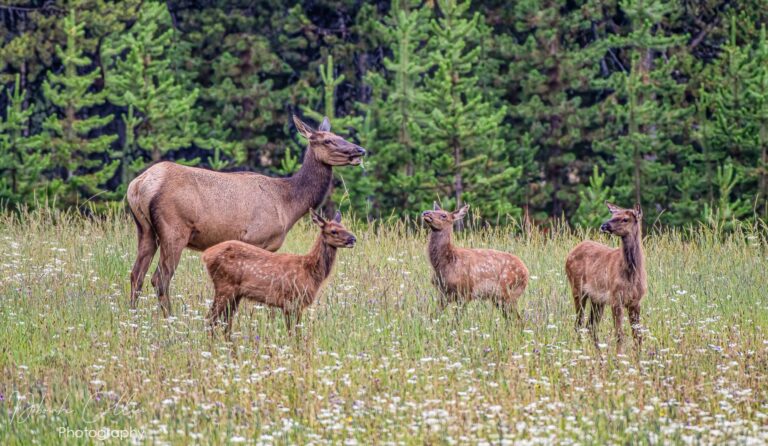
I’ve stood at the edge of a meadow at dusk, watching elk move through the last of the golden light, and felt the frustration of a lens that simply couldn’t gather enough light to give me the shutter speed I needed. Consequently, those shots were softer than I wanted. It’s a feeling you remember, and it’s the moment most photographers start seriously thinking about faster glass.
Nevertheless, faster glass costs significantly more. Therefore, understand the tradeoff going in rather than being surprised by it later.
Telephoto Lenses – The Wildlife Photographer’s Best Friend
Wildlife photography and telephoto lenses are inseparable. You need reach, the ability to fill the frame with a subject that is far enough away to behave naturally and not be disturbed by your presence.
For most wildlife photography, start at 300mm minimum. Ideally, 400mm to 600mm gives you the reach for birds, smaller mammals, and any situation where staying at a respectful distance matters. Furthermore, for birds in flight specifically, longer focal lengths give you more room to work with when the subject is small against a big sky.
Bigger isn’t always better
I’ve made this mistake myself. Packed the wrong lens for the situation. Headed out expecting one thing, then encountered another. I’ve stood there with an 800mm prime lens when what I needed was something shorter and faster to handle a subject that was closer than expected.
Also, the big prime lenses, 500mm, 600mm, and 800mm, are seriously heavy. A 600mm f/4 prime can weigh over 6 pounds before you’ve even added a camera body. Therefore, if you’re hiking any distance into the backcountry, that weight matters enormously. In fact, I’ve seen photographers exhaust themselves on the hike in and have nothing left for the patient, still shooting that great wildlife photography demands.
A practical lens kit for wildlife photographers
For most situations, a versatile telephoto zoom in the 100-500mm or 200-600mm range gives you the flexibility to handle whatever the field throws at you. As a result, you’re not locked into one focal length when the situation changes. Furthermore, pair it with a mid-range zoom for environmental shots and you have a kit that covers almost everything without breaking your back or your budget.
Prime vs. Zoom Lenses
Prime lenses are sharper, faster, and optically superior. Zoom lenses are flexible, practical, and far more forgiving in the unpredictable situation’s wildlife photography creates. Consequently, for most photographers, especially those still building their kit, a high-quality telephoto zoom is the smarter starting investment.
Upgrade to prime glass when you know exactly what focal length you use most, when you’re shooting in consistently low light conditions, and when your budget allows. Not before.
Double Check Your Bag Before You Leave
This one comes from painful personal experience. I’ve arrived at a location, sometimes after a long drive or hike, and reached into my bag for a lens that wasn’t there. I’d left it on the table at home. Or I’ve packed the wrong lens.
Therefore, develop a pre-shoot checklist. Know exactly which lenses you need for the location, the wildlife, and the light conditions you’re expecting. Furthermore, lay everything out the night before and check it twice. The wildlife won’t wait while you drive back for the lens you forgot.
Focal Length: How Far Do You Want to Reach?
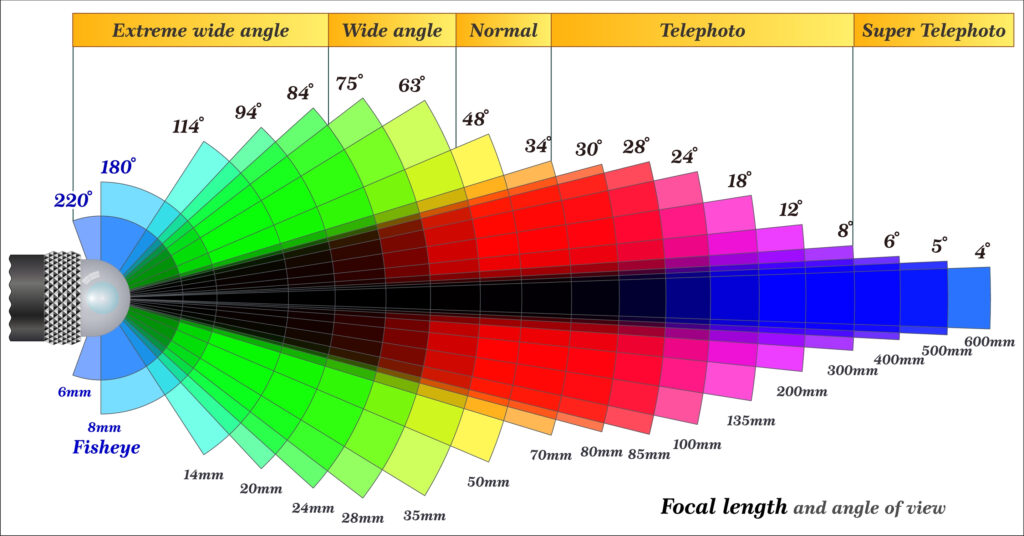
Focal length is simply how much of the scene your lens captures. However, choosing the right one for wildlife photography isn’t always straightforward. Longer focal lengths bring distant subjects closer, filling the frame with detail while maintaining a safe, respectful distance. Shorter focal lengths capture wider areas, which is useful for environmental shots that show the animal in its habitat.
The right focal length depends entirely on what you’re photographing. Birds in flight demand longer reach. A small warbler against a big sky needs every millimeter of focal length you can get. In contrast, larger animals like bison or elk that you can observe from a vehicle, or a fixed position, may not require the same extreme reach. Additionally, consider your shooting environment. Dense forest limits how far you can see anyway; consequently, an 800mm prime in thick woodland is often overkill compared to a versatile zoom that lets you adapt quickly.
As a result, think about your most common shooting scenarios before investing in glass. Match your focal length to your wildlife, not to what looks impressive on paper.
Aperture Matters: Balancing Light and Sharpness
Aperture is the opening in your lens that controls how much light reaches the sensor. Furthermore, it controls the depth of field, how much of the image is in sharp focus. A wider aperture (lower f-number like f/2.8 or f/4) lets in more light and creates a beautifully blurred background that separates your subject from its surroundings. In contrast, a narrower aperture (higher f-number like f/8 or f/11) keeps more of the scene in sharp focus but requires more light to achieve a proper exposure.
In wildlife photography, you’ll constantly balance these two needs. For instance, at dawn, when a grizzly emerges from the treeline into soft golden light, a wider aperture keeps your shutter speed high enough to freeze motion while still gathering enough light for a clean image. However, for a stationary subject in bright midday light, a narrower aperture gives you edge-to-edge sharpness that holds up under cropping and enlargement.
Understanding aperture isn’t just technical knowledge; it’s the difference between coming home with the shot and coming home with an excuse. Therefore, practice shooting at different apertures under varying lighting conditions before you head into the field. Additionally, know your lens’s sharpest aperture; most lenses perform best one or two stops down from wide open. That sweet spot is where your best images will consistently come from.
Understanding the Exposure Triangle in Wildlife Photography
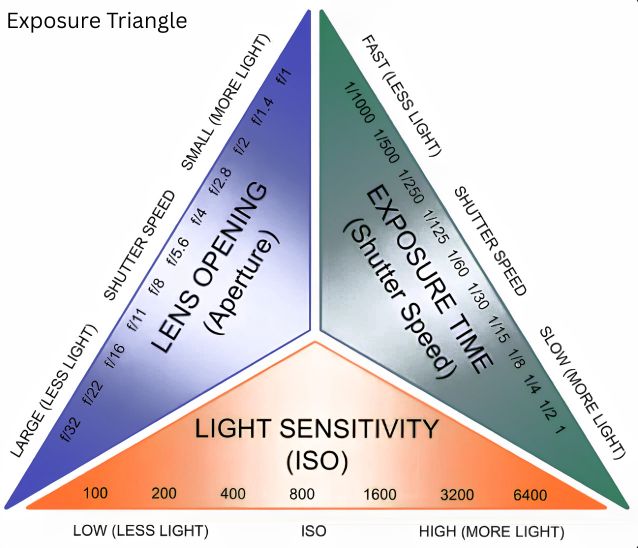
If there’s one concept that separates “I got lucky” from “I know exactly why that shot worked,” it’s the exposure triangle. It’s the relationship between your camera’s three core settings, aperture, shutter speed, and ISO, and how together they control how much light hits your sensor and how your final image looks. Master this, and you stop hoping for good light and start making it work for you, whether that’s a bald eagle diving at sunrise or a bull elk grazing in dim forest shade.
The Three Sides of the Triangle
1. Aperture – the size of your lens opening (measured in f-stops)
- A wider aperture (smaller f-number, like f/2.8) lets in more light and creates that creamy, blurred background that makes your subject pop off the frame. This is your go-to for isolating an animal from a busy background, think a fox against a cluttered treeline.
- A narrower aperture (larger f-number, like f/16) lets in less light but keeps more of the scene in focus. Handy when you want the whole landscape sharp, like a herd grazing across an open plain.
2. Shutter Speed – how long your sensor is exposed to light
- Faster speeds (1/1000s or quicker) freeze motion cold. This is non-negotiable for anything with wings, talons, or four legs in a hurry, a bald eagle folding into a dive, a pronghorn at a dead sprint, a hummingbird’s wingbeat.
- Slower speeds (1/30s or slower) let in more light but risk motion blur. Sometimes that blur is a mistake. Sometimes it’s exactly what you want, a deliberate, silky blur on a running animal that conveys speed and motion instead of freezing it dead.
3. ISO – how sensitive your sensor is to light
- Lower ISO (100) means less noise but needs more available light. Great for a bright morning shoot on open prairie.
- Higher ISO (1600 and up) lets you shoot in dim conditions but introduces more grain. This is the setting that saves you at dawn and dusk, exactly when a lot of wildlife is most active and the light is at its worst.
How They Work Together
Every setting can add or subtract a stop of light, doubling or halving your exposure. Open your aperture one stop wider, and you can slow your shutter one stop or drop your ISO one stop and land in the same exposure. Move one side of the triangle, and at least one of the other two has to move with it.
Here’s where it gets real. You’re photographing a bird in flight at last light. You need a fast shutter speed to freeze the wingbeat, but the light is dropping fast. Widening your aperture recovers some of that light. If that’s still not enough, ISO is your last lever to pull, and yes, you’ll trade some image quality for it. That’s the whole game: three settings, one pot of available light, and you deciding where the trade-offs happen.
Why It Matters
Balancing these three elements is what keeps your images properly exposed, not swallowed in muddy shadow, not blown out to white. But it’s more than technical correctness:
- Creative control: Aperture shapes depth of field, shutter speed shapes motion. ISO shapes how clean or gritty the final image feels. These are creative decisions, not just technical ones.
- Problem-solving: When the light’s working against you (and in wildlife photography, it usually is), you have three separate dials to reach for. Open the aperture, slow the shutter, or raise the ISO.
A tip from the field:
In manual mode, you control all three settings yourself, including the aperture, shutter speed, and ISO. Nothing is left to the camera’s guesswork. Some photographers prefer semi-auto modes like aperture priority or shutter priority. In these modes, the camera balances one or two settings while you hold the reins on whichever one matters most for the shot.
I shoot in manual mode because I want to control exactly what my camera does at every moment. I don’t want to wonder what it decided to compensate for me. It took some time to build muscle memory, but once it clicks, you stop thinking about the settings and start reacting to what’s in front of you. With wildlife, that’s everything. A perched eagle gives you time to dial in your exposure. The second it looks like it’s about to take off, I’m already cranking up my shutter speed because there’s no time to fumble with it once the wings open.
Image Stabilization: A Must-Have for Steady Shots
Wildlife photography often means long lenses, low light, and situations where a tripod simply isn’t practical. There will be moments when the action is too fast to set up any support system at all. Furthermore, handholding a 500mm lens at dusk while tracking a moving subject is a recipe for blur unless you have image stabilization working in your favor.
Image stabilization, whether built into the camera body, the lens, or both, counteracts the natural movement and vibration of handholding. As a result, you can shoot at slower shutter speeds than would otherwise be possible and still capture sharp, usable images. For wildlife photography specifically, this can mean the difference between a sharp frame and a blurry one when light levels drop and your shutter speed drops with them.
In body vs in lens stabilization – which is better?
In practice, both work well. However, the most effective systems combine camera-body stabilization with lens stabilization for maximum effect. Furthermore, some modern mirrorless systems, like the Nikon Z8, have exceptionally effective in-body stabilization that works even with lenses that have no stabilization of their own.
So, when evaluating cameras and lenses for wildlife photography, don’t overlook stabilization specs. Test your steady-hand limit. Most photographers can handhold reliably at a shutter speed equal to the reciprocal of their focal length. In other words, at 400mm, you want at least 1/400th of a second. With good stabilization, you can push well below that. Also, during the golden hour, when light is low and wildlife is most active, that extra margin could save the shot.
Supporting Your Gear: Tripods, Monopods and Heads
Ask any experienced wildlife photographer what single investment made the biggest difference to their images, and the answer is rarely a camera body or a lens. Furthermore, it’s almost never a filter or an accessory. In fact, more often than not, the answer is a quality support system – and specifically, learning when to use which one.
We’ve covered support systems in depth across several dedicated guides on PhotoWild Gear. However, here’s what you need to know as a foundation before diving deeper.
Tripods – The Foundation of Sharp Images
A quality tripod is non-negotiable for planned, stationary wildlife shoots. Consequently, if you’re set up at a salmon run waiting on bears, positioned at a meadow edge at dawn waiting on elk, or parked at a raptor perch waiting on a bald eagle, a tripod is your best friend. Furthermore, carbon fiber is the material of choice for wildlife photographers. Lighter than aluminum yet stronger than steel, it handles backcountry punishment without punishing your back on the hike in.
👉 Read our full guide: Best Tripods for Wildlife Photographers
Tripod Heads – The Important Part
Your tripod is only as good as the head on top of it. In fact, the wrong head can make even the best tripod frustrating to use for wildlife. A ball head offers quick, flexible positioning, making it great for general use. However, for tracking fast-moving subjects like birds in flight, a gimbal head is a game-changer. By balancing your lens at its center of gravity, a gimbal lets even the heaviest telephoto glass float and swing effortlessly. As a result, panning with a bird in flight becomes fluid and natural rather than stiff and frustrating.
Gimbal Head Lesson
One of the most important things I’ve learned, though, is that your tripod legs need to be rated to handle the combined weight of your head, camera, and lens, with room to spare. I found this out the hard way when I was out with my 200-500mm on a gimbal head, and the tripod started tipping. I had to grab it and hold the whole rig up to keep it from going over. The legs were the same skinny set I’d been using with my ball head for years, and they simply weren’t built for the leverage of a long lens on a gimbal. So, I ended up buying a second, sturdier set of legs for the gimbal and kept my original tripod paired with the ball head. Lesson learned: the head isn’t the only thing that has to match your gear. The legs do too.
👉 Read our full guide: Best Tripod Heads for Wildlife Photography
Monopods – Speed and Mobility
When the action is moving fast, a monopod is your best friend. One leg instead of three means setups in seconds. Repositioning takes a heartbeat. Furthermore, you get the freedom to chase your subject through dense brush or across uneven terrain without being anchored to one spot. Consequently, many wildlife photographers carry both a tripod for the planned shoot and a monopod for everything else.
Bean Bags – The Secret Weapon
Never underestimate a bean bag. Draped over a vehicle window, a fence post, or a rock. A bean bag provides a surprisingly stable and completely silent shooting platform. Additionally, for national park photography where wildlife is habituated to vehicles, shooting from your car window with a bean bag is often the single most effective way to get close, undisturbed shots of large mammals.
Ground Pods – Get Low, Get the Shot
Some of the most compelling wildlife images are taken at ground level. Nose to nose with a fox. Eye-to-eye with a nesting bird. Belly-down in the grass waiting on a pronghorn. A ground pod keeps your camera rock steady at the animal’s eye level. As a result, you create those intimate, immersive images that truly connect the viewer with the wild.
👉 Read our full guide: Beyond Tripods — Camera Support Systems for Wildlife Photography
Capturing the Moment: Essential Accessories
Cameras and lenses get all the glory. However, it’s the accessories, the unglamorous, easy-to-overlook additions to your kit, that will make or break your day in the field. In fact, I’d argue that more great wildlife shots have been lost to dead batteries and full memory cards than to any camera or lens limitation. Furthermore, I know this from painful personal experience.
Memory Cards – Never, Ever Go Out With Just One
Mirrorless cameras are incredible. Fast burst rates, silent shooting, exceptional autofocus, everything a wildlife photographer could want. However, that speed comes at a cost. Mirrorless cameras eat through memory cards at a rate that will genuinely surprise you the first time you experience it.
I learned this lesson the hard way. Heading out confident that one card was enough, only to run out of space at exactly the wrong moment. Fortunately, I had my backup DSLR with me that day. However, it wasn’t the same. The shots I got on the backup were fine. But they weren’t what I had in mind with the Z8. Consequently, that was the last time I ever left home without multiple cards.
Here are the rules:
- Always carry at least two cards – minimum. Three is better.
- Format your cards before every shoot – not delete, format. It clears the card properly and reduces the risk of corruption.
- Invest in fast cards – mirrorless burst shooting requires high write speeds. Additionally, slow cards create a buffer bottleneck that causes you to miss frames at critical moments. Look for cards rated V60 or V90 for serious wildlife shooting.
- Keep a backup card in your wallet – always. Furthermore, store used and unused cards in different pockets, so you never accidentally reformat a card full of images.
This post contains Affiliate Links. If you make a purchase through one of these links, I may earn a small commission at no extra cost to you.
As an Amazon Associate, I earn from qualifying purchases.
Memory Card Callouts
If you’ve shopped for memory cards, you’ve likely seen a “V60” or “V90” badge on the packaging and wondered what it actually promises. It’s not marketing fluff; it’s a real, standardized spec called Video Speed Class, and for wildlife photography, it matters more than most people realize.
Understanding V60 and V90: What Those Numbers Actually Mean
The number tells you the minimum sustained write speed the card guarantees, in megabytes per second. A V60 card guarantees at least 60 MB/s. A V90 card guarantees at least 90 MB/s. That’s it, no hidden asterisks, just a literal floor on how fast the card can keep writing data without choking.V60 card guarantees at least 60 MB/s. A V90 guarantees at least 90 MB/s. That’s it, no hidden asterisks, just a literal floor for how fast the card can keep writing data without choking.
Here’s why that matters when you’re in the field: when you’re firing a 15-20 fps burst while tracking a bird in flight, your camera’s buffer fills up fast. A slower card can’t clear the buffer quickly enough, so your camera stalls, leading to the dreaded “buffer full” moment right when the action peaks. A V90 card clears the buffer faster, so you can keep shooting instead of watching your camera catch up while the eagle flies out of frame.
It matters for video too. If you shoot 4K or 8K, V90 often isn’t a nice-to-have, it’s the minimum the camera requires to sustain the recording at all.
Card rating Minimum sustained write speed
Good for
V30 30 MB/s Casual bursts, basic 4K video
V60 60 MB/s High-res stills bursts, standard 4K video
V90 90 MB/s High-speed continuous bursts (birds in flight), 8K/high-bitrate video
One thing worth checking before you buy: your camera’s card slot has to support that speed too. A V90 card sitting in a slot that only supports UHS-I speeds won’t perform any faster than that slot allows, so match the card to what your camera can actually use, not just what looks fastest on the shelf.
A word of caution before you head out
Don’t get caught short with a cheap card. It’s tempting to grab whatever’s cheapest off the shelf, but the wrong card, one that can’t keep up with your burst rate or isn’t compatible with your camera’s slot, will cost you the shot, not the money you saved. Double-check that the rating and slot type match before you’re standing in a field with a “buffer full” warning and a bear cub crossing in front of you. Once you’ve got the right card, don’t lose it. Get in the habit of checking your bag before you head out, and keep a backup card on you at all times. A missing card is its own kind of heartbreak.
V90 Memory Cards
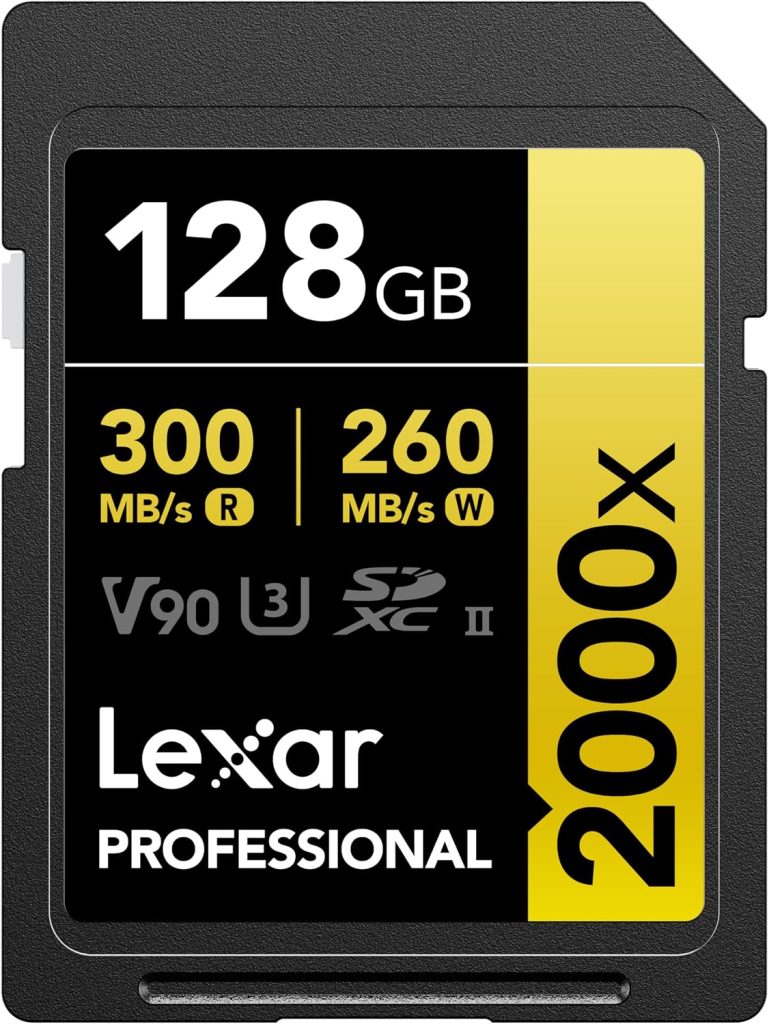
Lexar 2000x SD Memory Card (V90, UHS-II) The value pick for a second-slot backup card. Rated V90 with read speeds up to 300MB/s, it keeps pace with 8K video and extended full-resolution burst sequences without becoming the bottleneck. Backwards compatible with UHS-I devices, and backed by Lexar’s limited lifetime warranty. For wildlife photographers, this is the card that clears your buffer fast enough to keep shooting through a prolonged burst — a bald eagle’s dive, an elk’s charge — instead of watching your camera freeze mid-sequence while it catches up.
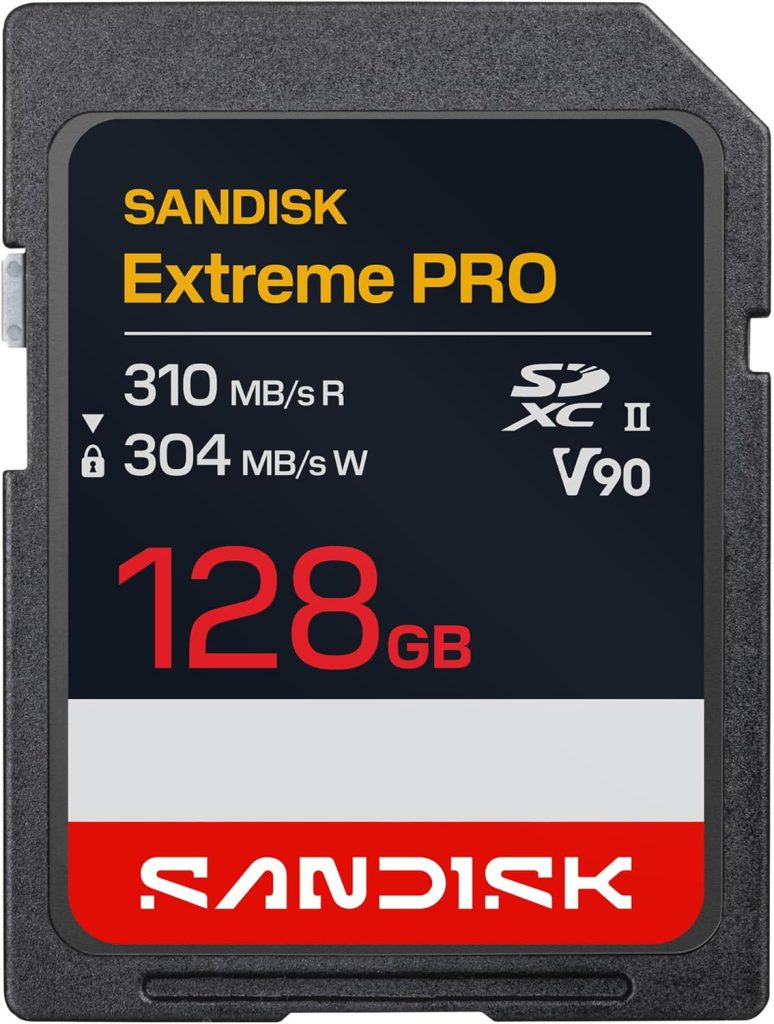
SanDisk Extreme PRO SD UHS-II (V90) The top-tier pick. Write speeds up to 305MB/s clear your camera’s buffer as fast as the card physically can, with read speeds up to 310MB/s for quick offloading back at camp or at home. IP68-rated and drop-tested, so it survives the same rough conditions you do — river crossings, dust, mud, drops onto rock. This is the card to recommend for readers shooting demanding bursts in genuinely harsh field conditions, where card failure isn’t just inconvenient, it’s a lost trip’s worth of images. Comes with RescuePRO Deluxe recovery software built in, for the day something does go wrong.
V60 Memory Cards
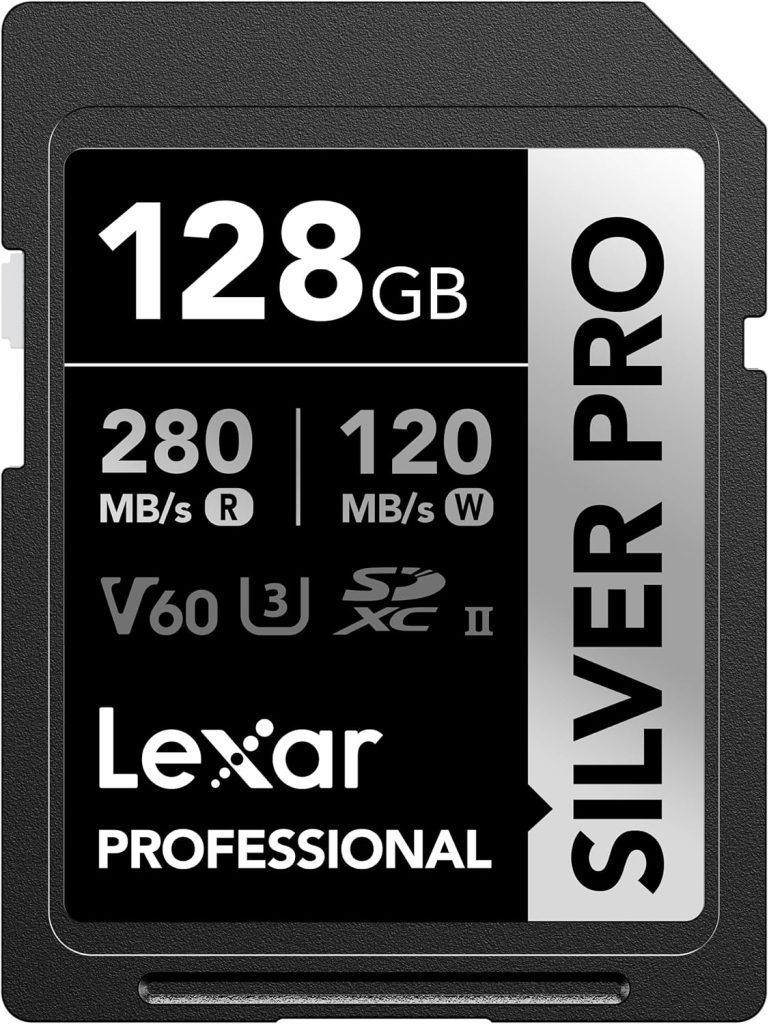
Lexar Silver PRO SD Memory Card (V60, UHS-II) The budget-friendly entry point. Read speeds up to 280MB/s and write speeds up to 120MB/s cover 4K video and steady burst shooting comfortably, backed by Lexar’s rigorous reliability testing and a lifetime limited warranty. Write speed is the number to watch here — at 120MB/s it’s the slowest of the four cards in this guide, so it suits photographers shooting shorter bursts or working with a camera that isn’t pushing flagship-level burst rates. A smart first card for someone building out their kit before investing in V90.
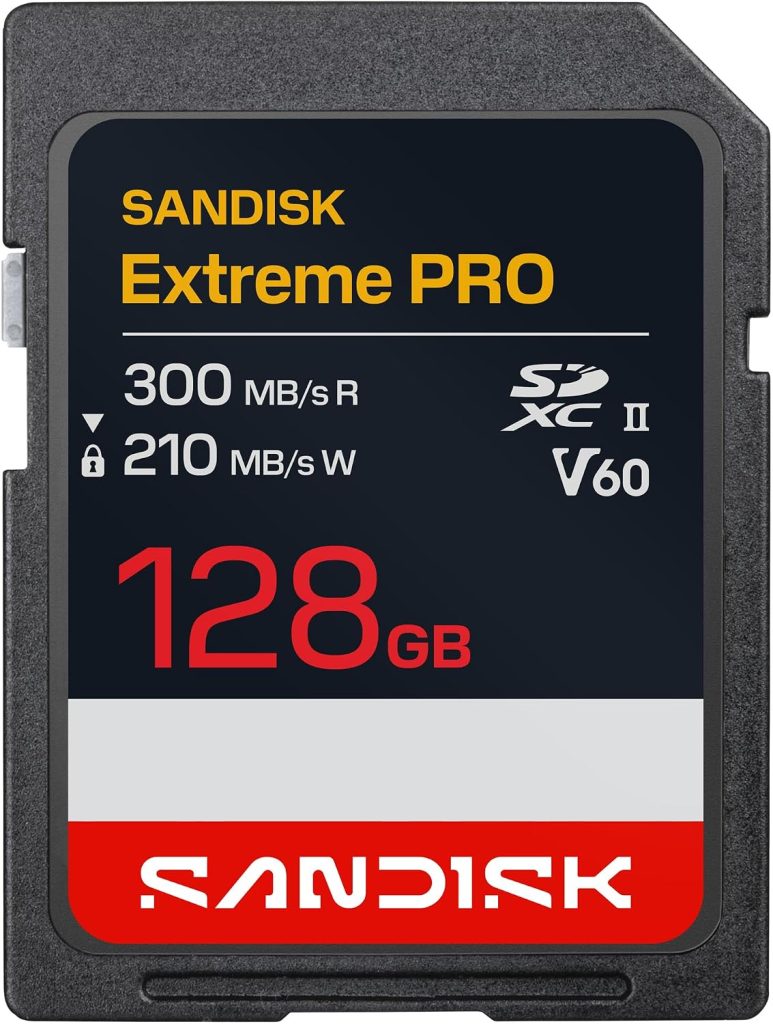
SanDisk Extreme PRO SDXC UHS-II (V60) The step-down pick without stepping down much. Rated V60 with burst-mode capture speeds up to 250MB/s and transfer speeds up to 300MB/s, it still comfortably handles cinema-quality 6K video and long continuous bursts. It just isn’t quite the top-tier V90 rating. For most wildlife photographers who aren’t shooting extended 20fps bursts on a flagship body, this is genuinely enough card: fast enough to clear the buffer during a burst on a heron taking flight, without paying the premium the V90 version commands.
For mirrorless cameras, specifically, the CFexpress and UHS-II SD cards that most modern bodies require, are significantly faster than older card formats. In fact, the speed difference is immediately noticeable in burst shooting. They’re more expensive, but consequently, they’re worth every penny.
Batteries – More Than You Think You Need
Wildlife photography drains batteries faster than almost any other type of photography. Cold temperatures accelerate drain dramatically. Furthermore, mirrorless cameras for all their advantages are generally harder on batteries than DSLRs. This is due to the constant power demands of the electronic viewfinder.
Here’s my rule: however many batteries you think you need, take one more. In fact, take two more.
I’ve been caught out. Heading into the field thinking I was fine only to watch the battery indicator drop faster than expected in cold morning air. As a result I was rationing shots instead of shooting freely. Consequently I missed the relaxed, patient shooting mindset that great wildlife photography demands. Nothing kills your focus like watching a battery indicator and calculating how many frames you have left.
Pack accordingly:
- Minimum two fully charged batteries for a half day shoot
- Three to four batteries for a full day in the field
- Add one extra per battery for every hour below freezing
- A battery grip is worth considering for cold weather shooting, it doubles your battery capacity and keeps spares warm against your body
Also, a good idea to invest in a quality third-party charger that can charge two batteries simultaneously. And be sure to charge everything the night before, never the morning of, then you’ll always leave home with the batteries charged at 100%.
Lens Filters – Enhancing Your Wildlife Images
Not all filters are essential for wildlife photography. However, two are worth carrying in almost every situation.
A circular polarizer reduces glare and reflections from water and wet surfaces. This makes it particularly useful for wetland and shoreline wildlife photography. Furthermore, it deepens sky colors and cuts through atmospheric haze, giving your images a richness and depth that no amount of post-processing can fully replicate.
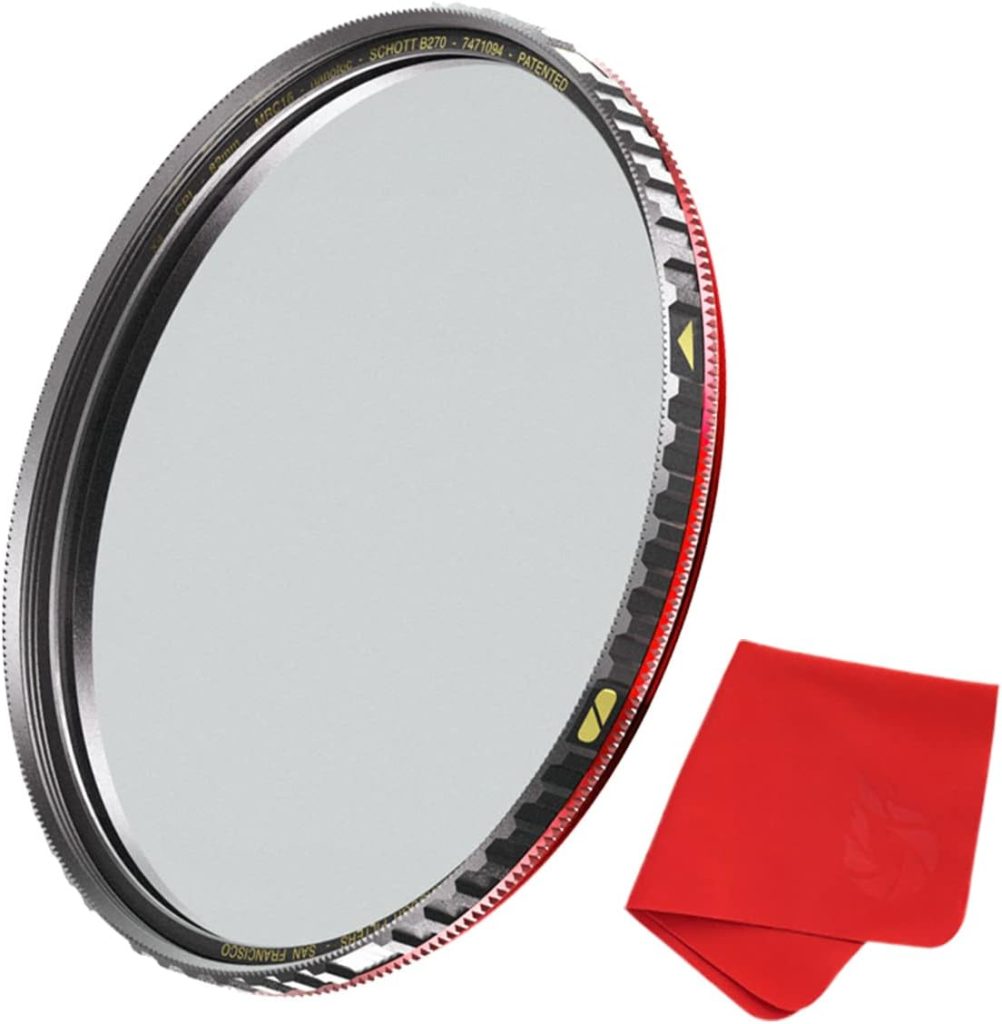
X4 CPL Circular Polarizer Filter
The top-tier pick. Schott B270 German glass, 16-layer nano coating, weather sealed, with 25-year support from Breakthrough Photography. A true one-stop light loss (important for telephoto wildlife lenses that already have smaller apertures), and a 25-year guarantee. This is the one to recommend for readers who are serious about image quality and shoot in tough field conditions. For wildlife photographers who shoot into golden-hour light constantly, the X4 CPL is worth the upgrade over budget polarizers for one reason: color accuracy. Most CPL filters shift warm or yellow the longer you shoot, but the X4 is engineered to stay neutral across the spectrum, so the deep, golden tones of a sunrise elk or a dawn-lit eagle come through true, not tinted by the glass in front of your lens. Available in multiple thread sizes – check your lens’s filter diameter (usually printed under the lens cap) before ordering.
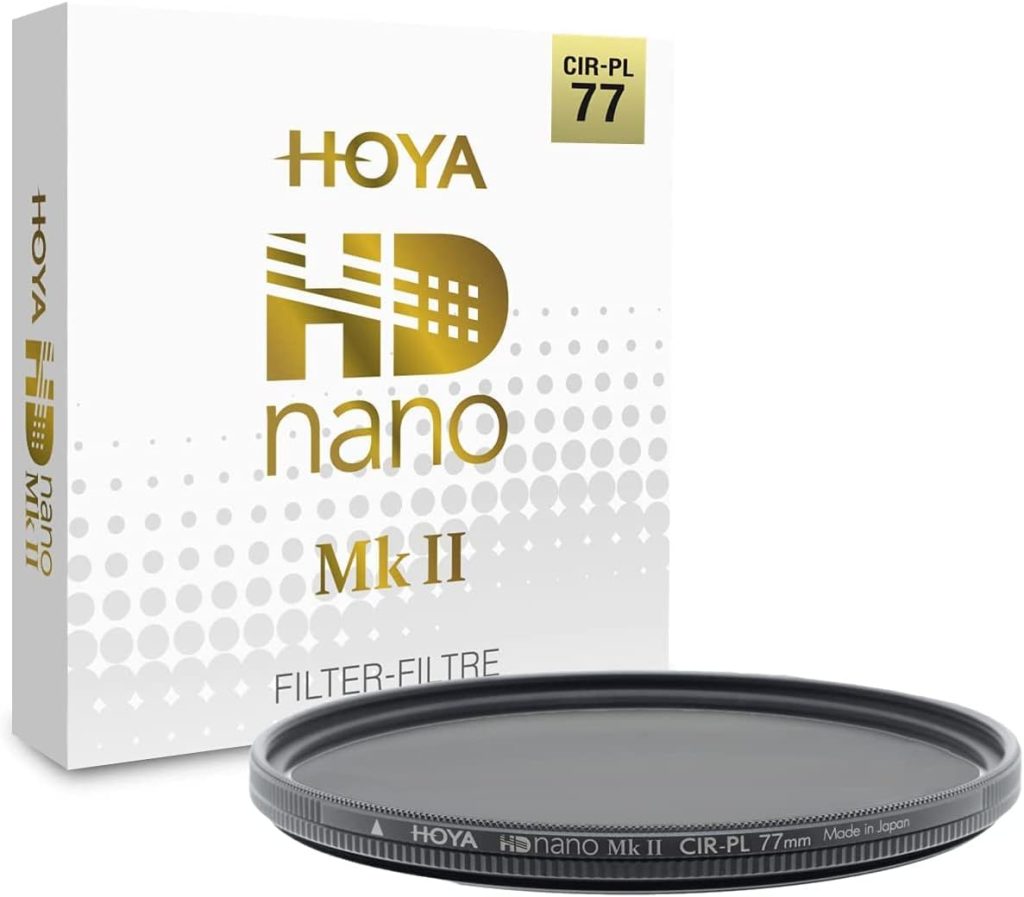
Hoya HD Nano Mk II CIR-PL
The reliable mid-tier choice. Shatter-resistant glass, 16 layers of nano coatings, and a low-profile frame that won’t vignette. Hoya has decades of trust in the field, at a more approachable price than Breakthrough. It earns its place for wildlife photographers working near water — wetlands, riverbanks, shorelines — for one key reason: it cuts surface glare enough to reveal what’s happening below the waterline, while its scratch-resistant coating holds up to repeated field cleanings during dusty, muddy shoots. It also gains nearly half a stop more light than standard polarizers, so you keep more shutter speed to work with — important when you’re trying to freeze a heron mid-strike, not just admire a pretty reflection. Available in multiple thread sizes – check your lens’s filter diameter before ordering.
A neutral density filter reduces the amount of light entering the lens. This allows for slower shutter speeds for creative motion blur effects. For instance, silky smooth water behind a wading heron or a sense of motion in a running elk herd. Additionally, ND filters give you more creative control in bright mid-day light when aperture and ISO alone aren’t enough.
Remote Shutter Release – Small Tool, Big Impact
A remote shutter release lets you fire the camera without physically touching it. Consequently, camera shake from pressing the shutter button, particularly at slower speeds, is completely eliminated. Furthermore, for long exposures, time-lapse sequences, or shooting from a blind where any movement might spook wildlife, a remote release is invaluable. Therefore, keep one in your kit at all times; they’re inexpensive and take up almost no space.
Rain Covers and Cleaning Kits – Protect Your Investment
Wildlife photography happens in real weather. Rain, dust, mud, river spray, your gear will encounter all of it eventually. In fact, some of the most dramatic wildlife images are captured in exactly these conditions. Therefore, a quality rain cover for your camera and lens is a non-negotiable part of your kit.
Additionally, a cleaning kit, lens cloths, a blower, and sensor cleaning swabs belong in every camera bag. Furthermore, a dirty lens costs you sharpness and contrast in every single image until you clean it. Consequently, take two minutes to clean your glass before every shoot. It’s one of the simplest and most overlooked improvements a photographer can make.
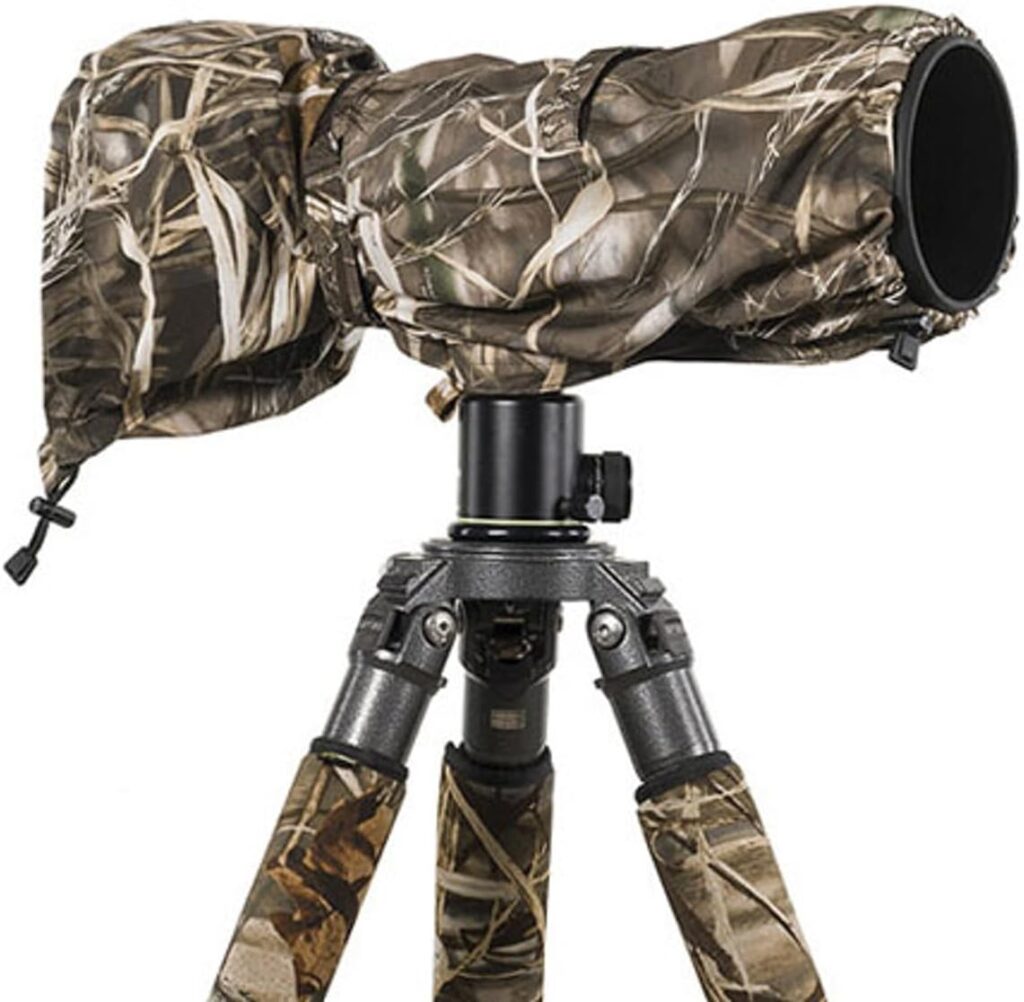
LensCoat RainCoat RS for Camera and Lens, Large Rain cover sleeve camouflage protection (Realtree Max4 HD) LCRSLM4
- Protects From Rain,Snow,Salt Spray, Sand
- Easy Access to Camera Controls and Lens
- Cinch Straps adjust cover length by folding the material over itself and keep cover snug
- No Dedicated Eyepiece Required
- Made in the USA
Gear Up. Get Wild.
Wildlife photography is one of the most rewarding and humbling pursuits a photographer can undertake. Furthermore, it will test your patience, challenge your skills, and push your gear to its limits. However, it will also reward you with moments so extraordinary that no studio shoot, no portrait session, and no landscape image can quite match the feeling.
The gear matters. In fact, the right gear matters enormously, as everything in this guide has hopefully made clear. However, gear is ultimately just the vehicle. Consequently, the most expensive mirrorless body and the sharpest telephoto prime in the world won’t save a shot if you’re not in the right place, at the right time, with the patience to wait for the moment to unfold naturally.
Therefore, invest wisely. Start with what you can afford. Learn it inside out. Furthermore, add to your kit deliberately and purposefully, driven by the specific limitations you encounter in the field, not by spec sheets or gear envy.
Additionally, make mistakes. Run out of battery once and you’ll never forget a spare again. Pack the wrong lens once and your pre-shoot checklist becomes a habit for life. In fact, some of the most valuable lessons in wildlife photography come directly from the moment’s things go wrong in the field.
Most importantly, get out there. Learn your gear. Trust your instincts. Respect the wild and everything in it.
Additional Considerations – The Details That Make the Difference
The big-ticket items get all the attention: cameras, lenses, and tripods. However, it’s often the smaller, easier-to-overlook considerations that separate a good day in the field from a great one. Furthermore, some of the most valuable additions to your wildlife photography kit cost almost nothing. In fact, they’re just good habits.
Camouflage and Concealment – Become Part of the Environment
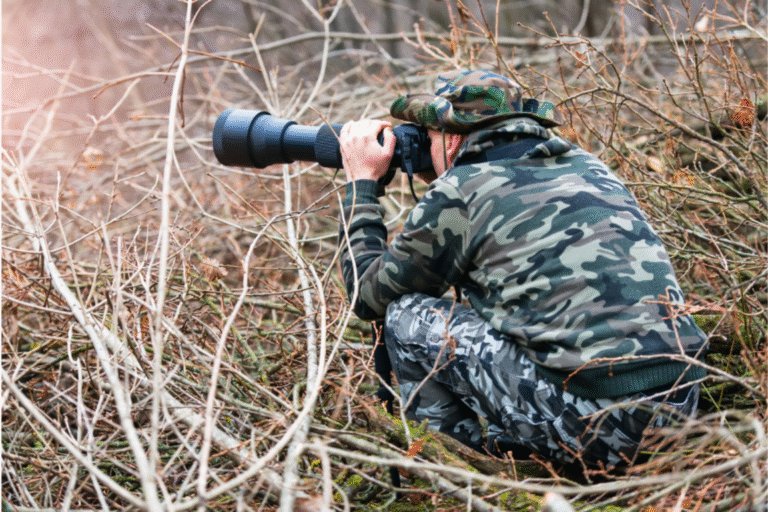
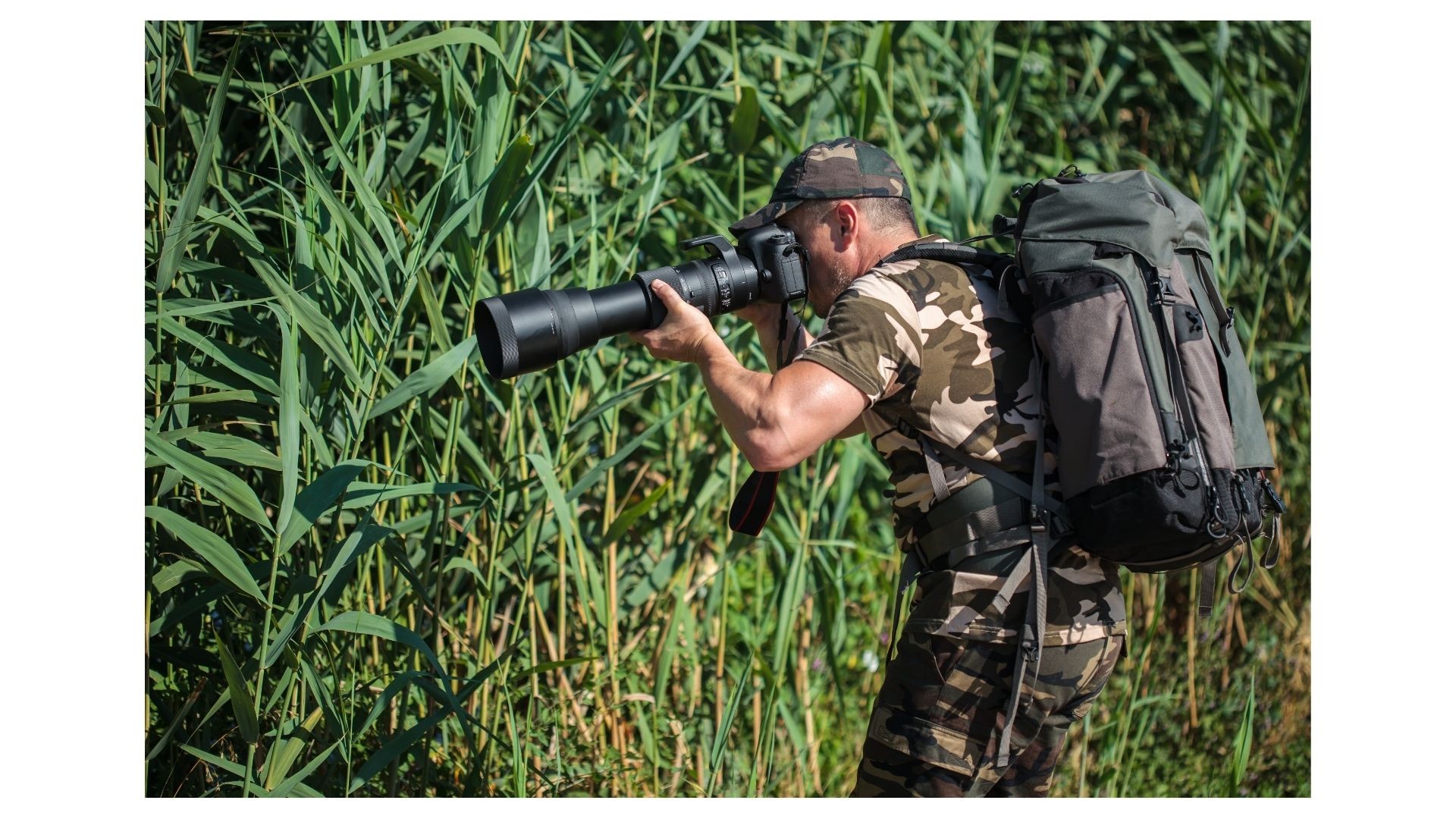
A quality blind, ghillie suit, or camouflage netting isn’t traditional gear in the camera sense. However, it might be the single most impactful addition to your wildlife photography kit after your camera and lens. Furthermore, blending into your environment doesn’t just reduce your visibility; it changes how wildlife behaves around you entirely. As a result, animals act naturally, feed freely, and give you access to intimate, unguarded moments that a visible human presence would never allow.
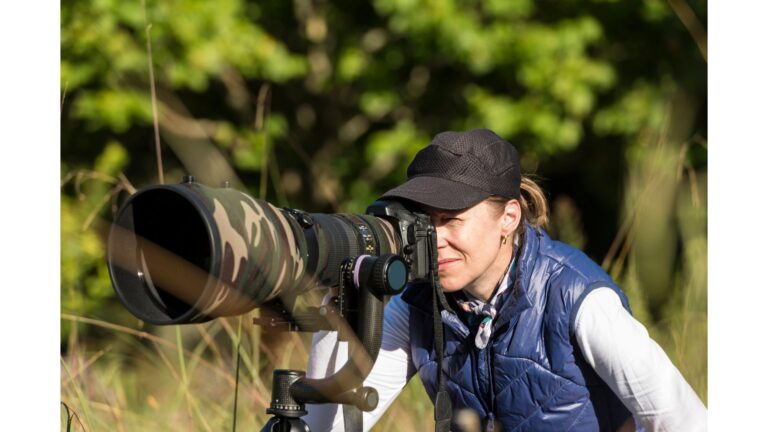
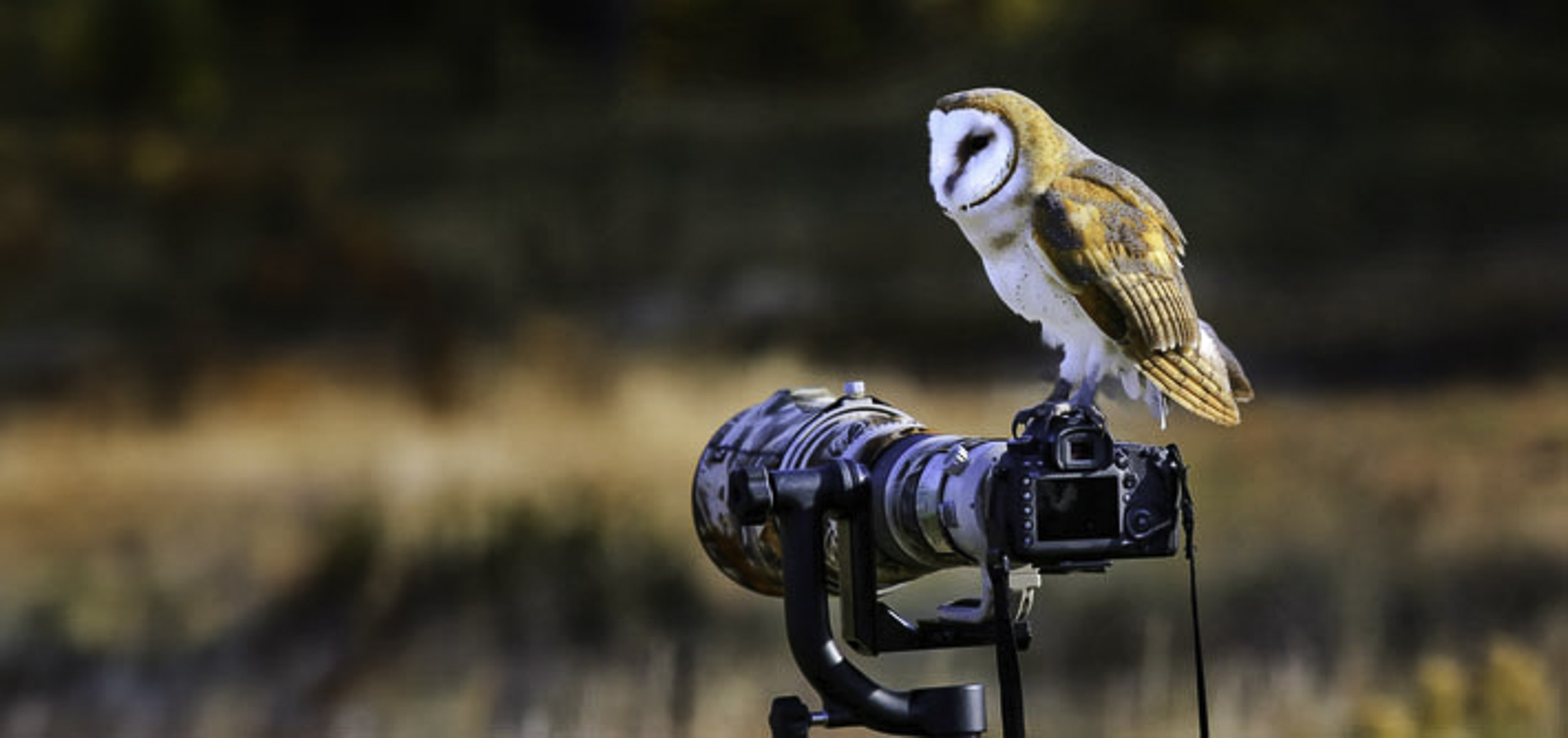
Additionally, think beyond just yourself. Wildlife can be surprisingly wary of camera equipment too. Consequently, lens covers and wraps with camouflage patterns keep your glass less conspicuous. Particularly important for bird photography where even a large white telephoto lens can cause alarm.
👉 Read our full guide: Complete Camouflage Guide for Wildlife Photographers
Clothing – Your First Line of Field Preparation
Wildlife photography involves long hours outdoors in variable and often extreme conditions. Furthermore, what you wear directly affects how long you can stay out and, therefore, how many opportunities you have to capture that defining shot.
Choose quiet, breathable layers in neutral tones that blend naturally with your environment. Additionally, avoid bright colors that startle wildlife and synthetic materials that rustle loudly with every movement. Waterproof outer layers, moisture-wicking base layers, and gloves with dexterous fingertips are non-negotiable in cold or wet conditions. Furthermore, don’t forget your head and ears. Heat escapes fastest from an uncovered head and frozen ears are a serious distraction. Especially when you’re trying to stay focused on a subject moving in front of you.
👉 Read our full guide: Seasonal Clothing for Wildlife Photographers coming soon
Spare Parts – The Boring Stuff That Saves the Day
Lens caps. Cable ties. A small roll of gaffer tape. Extra lens cloths. A blower. These are the unglamorous, easy-to-forget items that you’ll never think about until you desperately need one and don’t have it. Furthermore, in a remote location miles from the nearest town, a missing lens cap or a loose tripod foot can genuinely derail a shoot.
Therefore, develop a permanent spares kit that lives in your bag and never gets depleted without being immediately replaced. Additionally, check it before every trip consequently, you’ll never be caught short in the field.
Camera Insurance – Protect Your Investment
Wildlife photography takes your gear into unpredictable, demanding environments. Rain, dust, river crossings, rough terrain, and extreme temperatures, your kit will face all of it eventually. Furthermore, accidents happen even to the most careful photographers.
Therefore, consider proper camera insurance seriously. In fact, many standard home insurance policies either don’t cover camera equipment at all, or severely limit payouts for professional or semi-professional gear used outdoors. Consequently, a dedicated camera insurance policy gives you the peace of mind to shoot confidently in challenging conditions. This gives you a peace of mind knowing that if something goes wrong, you’re covered.
Frequently Asked Questions
Start with glass, not the camera body. In fact, a great lens on a modest camera body will consistently outperform a great camera body with a mediocre lens. Furthermore, lenses hold their value far better than camera bodies. Consequently, a quality telephoto lens is an investment that will serve you across multiple camera upgrades. Start with a versatile telephoto zoom in the 100-500mm or 200-600mm range and build from there.
Mirrorless has genuinely become the better choice for most wildlife photographers. However, if you already have a collection of quality DSLR glass, don’t rush to switch; most mirrorless systems have excellent lens adapters that work seamlessly. Furthermore, the silent shooting alone was enough to make me switch to the Nikon Z8, and I haven’t looked back. Also, autofocus tracking on modern mirrorless bodies is extraordinary for birds in flight, fast-moving mammals, and unpredictable subjects, all handled with a confidence that would have seemed impossible a few years ago.
Not necessarily, and in some situations, a crop sensor is actually advantageous. In fact, the crop factor effectively multiplies your focal length; a 400mm lens on a crop sensor behaves like a 600mm lens. Consequently, for photographers on a budget who can’t yet invest in super-telephoto glass, a crop sensor body can bring distant wildlife significantly closer. Furthermore, crop sensor bodies tend to be lighter and more compact, ideal for long backcountry hikes. However, full-frame sensors do deliver superior low-light performance, which matters enormously at dawn and dusk when wildlife is most active.
It depends entirely on what you’re photographing and how close you can get. However, as a general rule, 300mm minimum, 400-600mm is ideal for most wildlife situations. Furthermore, birds in flight and smaller mammals require more reach than larger animals you can observe from a vehicle. Additionally, remember that a versatile zoom gives you flexibility that a prime lens doesn’t. Consequently, for most photographers starting out, a telephoto zoom is the smarter first investment.
More than you think you need. In fact, this is one of the most common and most avoidable mistakes in wildlife photography. Therefore, carry at least two fully charged batteries for a half-day shoot and three to four for a full day. Furthermore, never head out with a single memory card. Always carry at least two. Format them before every shoot and invest in fast cards rated V60 or V90 for mirrorless burst shooting. Consequently, you’ll never have to ration shots when the action is happening in front of you.
Absolutely, especially for wildlife photography. In fact, the combination of long focal lengths, low light conditions, and fast-moving subjects makes image stabilization one of the most valuable features you can have in your kit. Furthermore, modern in-body stabilization systems on mirrorless cameras like the Nikon Z8 are extraordinary. This allows for sharp handheld shots at shutter speeds that would have been impossible even a few years ago. Therefore, when evaluating both cameras and lenses, don’t overlook stabilization specs.
Honestly? Gloves. Furthermore, a pre-shoot checklist. In fact, the number of shots lost to cold, unresponsive fingers and forgotten gear is far higher than most photographers would admit. Additionally, a remote shutter release, a quality rain cover, and a spare battery are all consistently underestimated until the moment you desperately need them. Therefore, sweat the small stuff because in the field, it matters enormously.
One Final Reminder
Gear is important. In fact, the right gear matters enormously, as everything in this guide has hopefully made clear. However, gear is ultimately just the vehicle that gets you to the shot.
Furthermore, the photographers who consistently come home with extraordinary images aren’t necessarily the ones with the most expensive kit. They’re the ones who understand animal behavior. They scout their locations obsessively. Early mornings and late evenings are their natural habitat. Patience isn’t just a virtue for them; it’s a discipline they practice on every single shoot. Additionally, they’re the ones who respect the wild and understand that the ethical foundation of wildlife photography is just as important as the technical one.
Therefore, use this guide as your foundation. Build your kit deliberately. Learn your gear inside out. And above all else, get out there.
Gear up. Get wild. Leave no trace.