Complete Camouflage Guide for Wildlife Photographers
When you’re photographing wildlife, being seen often means being missed. That’s why camouflage and concealment gear for wildlife photographers helps you get closer without disturbing your subjects, especially for birds, deer, and other skittish animals.
In this guide, we’ll cover everything from camouflage clothing and ghillie suits to lens covers, camera wraps, and pop-up blinds – all designed to help you blend into your surroundings and get the shot without being noticed.
From wearable stealth to portable hides, here’s how to disappear into the landscape and capture nature up close and undetected.
Why Camouflage Matters in Wildlife Photography
Wildlife has evolved to detect threats, including photographers. To stay hidden, animals rely on keen eyesight to spot movement, unusual shapes, and colors that don’t belong in their environment. Even subtle movements can alert a deer or send a bird flying before you capture the perfect shot.
Proper camouflage serves three critical purposes:
- First, it breaks up your human silhouette, which animals instantly recognize as a potential threat.
- Second, it helps you blend with the natural environment, whether you’re shooting in dense woodlands, open prairies, or wetland marshes.
- Third, it minimizes the visual disturbance your gear creates, particularly the reflective surfaces and distinctive shapes of cameras and lenses.
The difference between good and great wildlife photography often comes down to proximity. Camouflage lets you get 20 to 30 feet closer to your subject, turning a mediocre telephoto shot into a frame-filling portrait with striking eye detail and behavioral nuance.
Understanding Camouflage Patterns for Different US Environments
Not all camouflage is created equal. The pattern that works perfectly in the Arizona desert will make you stand out like a sore thumb in a Pennsylvania hardwood forest. Choosing the right camo pattern for your primary shooting location is essential.
Woodland and Forest Environments
If you’re photographing wildlife in deciduous or mixed forests across the Eastern US, the Midwest, and the Pacific Northwest, opt for camouflage patterns in brown, tan, and green with darker shadows. Mossy Oak and Realtree Edge are great choices, built for diverse woodland terrain and ideal for spring through fall. They mimic the forest floor’s leaf shapes, bark textures, and shadow patterns, making it easier to stay hidden while approaching wildlife.
Once fall arrives and leaves disappear, switch to patterns with gray and brown tones to match bare branches and dormant vegetation, keeping your presence subtle all year round.
Open Country and Prairie
Photographing pronghorn in Wyoming, prairie chickens in Kansas, or waterfowl in the Great Plains requires different concealment. Open country patterns need to work at greater distances where fine detail matters less than overall color matching. King’s Camo Desert Shadow and Realtree Edge excel in arid and semi-arid grassland environments with their tan, sage, and wheat tones.
For serious field photographers, Sitka’s Open Country pattern is worth seeking out directly, it’s not currently available on Amazon but their website ships direct and the quality justifies every penny.
What makes certain Sitka pieces particularly interesting for wildlife photographers is the integration of Insect Shield® technology. This is full-coverage insect protection that’s scent-free, comfortable in hot and humid conditions, and repels mosquitoes, ticks, ants, flies, chiggers, and midges without sprays or retreatment.
I’ve personally worked on products with Insect Shield® and have worn them extensively in the field. This is one I’d stake my reputation on. It works. There’s a real difference between hoping insects won’t find you and actually knowing your gear is handling it.
For wetland photography in places like the Florida Everglades, Louisiana bayous, or prairie potholes, Mossy Oak Shadow Grass Habitat is purpose-built for marsh environments with vertical grass and cattail patterns.
Mountain and Alpine Terrain
High-elevation photography in the Rockies, Cascades, or Sierra Nevada demands patterns that work with granite, sparse vegetation, and varied terrain. Sitka Elevated II and King’s Camo Mountain Shadow incorporate gray rock tones with green and brown vegetation elements suitable for subalpine and alpine zones.
Snow camo is also worth considering for winter elk and bison photography in Yellowstone — environments where standard woodland patterns stand out dramatically against white backgrounds.
Quick Year-Round Wildlife Photographers Camouflage Tips
- Match your pattern to your background, that way you will really blend in
- Break up your outline first, match color second, shape matters more than pattern at distance
- Don’t forget your gear, a perfectly concealed photographer with a black lens is still visible
- Movement betrays you faster than color, slow down before you worry about pattern
- Camo works best when you’re still, the best pattern in the world won’t save a sudden movement
- Your face and hands are the brightest things in the field, cover them or you’re not concealed
- Test your concealment by having some photograph yourself in position and see what wildlife actually sees
Buying smart: Post-hunting season sales in January through March regularly offer 30-50% off premium camo items, worth timing larger purchases around.
Getting the pattern right is just the beginning. Here’s how to extend that concealment to everything you carry into the field.
Ghillie Suits: Maximum Concealment for Serious Shooters
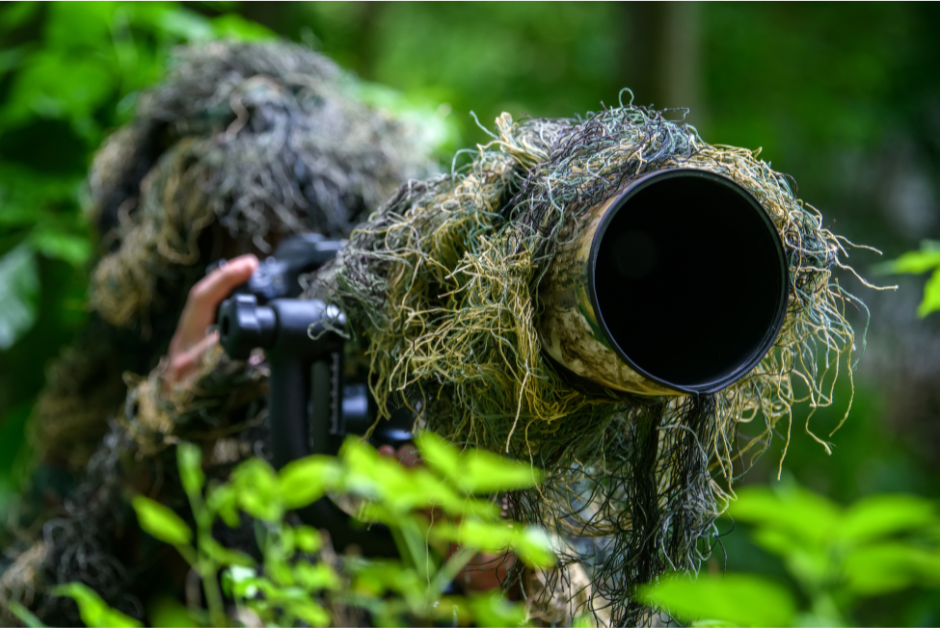
Ghillie suits represent the ultimate in photographic concealment, transforming you into a literal bush. While more cumbersome than standard camo clothing, they’re unmatched for situations requiring absolute invisibility.
Full Ghillie Suits
A complete ghillie suit covers your entire body with synthetic or natural fiber strands that break up your outline completely. Red Rock Outdoor Gear Ghillie Suit is an affordable entry point (around $60-80) available in various patterns including woodland and desert. The suit comes as a jacket and pants combination with elastic wrists and ankles.
For serious use, Arcturus Ghost Ghillie Suit offers superior construction with reinforced elbows and knees, critical for photographers who spend hours in prone or kneeling positions. The adjustable sizing accommodates various layers underneath for different seasons.
Premium options like the Leafy Suit technically aren’t traditional ghillies but use 3D leaf-cut fabric that achieves similar disruption with less weight and better breathability. These work exceptionally well for photographers who need to move between shooting locations.
Ghillie Suit Considerations for Photographers
Traditional ghillie suits designed for military snipers often have too much coverage for photographers who need frequent access to gear. Look for photography-specific or hunting designs with:
- Shorter fiber length (4-6 inches) that won’t tangle in camera straps and lens controls
- Open front designs or full-length zippers for ventilation
- Reinforced areas where gear weight rests
- The ability to remove sections when moving between locations
The biggest drawback of ghillie suits is heat retention. They’re best suited for cooler weather or early morning/late evening shoots when temperatures are moderate. Photographers working in summer heat should consider partial ghillie options.
Partial Ghillie Options
For many photographers, a ghillie poncho or cape provides sufficient concealment without the heat and bulk. North Mountain Gear Ghillie Poncho covers your upper body and camera while leaving your legs free for mobility. This is ideal for photographers who use ground blinds or natural cover for lower body concealment.
Ghillie gun wraps, designed to camouflage rifle barrels, work perfectly for long telephoto lenses. These elastic sleeves slip over your lens and break up the distinctive cylindrical shape that animals recognize from a distance.
Where to Buy: Ghillie suits vary enormously in quality, weight and pattern — what works for a turkey hunter in Tennessee hardwoods is completely different from what a photographer needs stalking shorebirds in coastal marsh grass. Rather than recommending one specific suit, the best approach is browsing the full range and matching your choice to your primary shooting environment.
Amazon carries an extensive selection across all price points — from lightweight leafy ponchos under $20 that pack small enough for a camera bag, to full professional suits with zippers and pockets for serious field use. Browse the full ghillie suit range on Amazon here.
For the widest specialist selection with detailed pattern guides, GhillieSuits.com is worth bookmarking — particularly useful if you’re matching a suit to a very specific habitat.
Camera and Lens Camouflage: Concealing Your Gear
Your camera gear presents unique concealment challenges. Modern cameras and lenses are typically black or gray, colors that rarely occur in nature and contrast sharply with most environments. Additionally, lens glass can reflect light, creating a flash that alerts animals to your presence.
Lens Covers and Wraps
The most critical piece of gear concealment is your zoom or telephoto lens. A 400mm, 500mm, or 600mm lens creates a massive visual signature that screams “human” to wildlife.
LensCoat is the industry leader for neoprene lens covers available in multiple camo patterns. Their products are custom-fitted for specific lens models, providing a snug fit that doesn’t interfere with focus rings, zoom controls, or lens switches. A LensCoat for popular wildlife lenses like the Canon 100-400mm or Nikon 200-500mm runs around $60-120 depending on the lens size. For a comprehensive selection go to the LensCoat website direct at: www.lenscoat.com
A newer name worth knowing is Chasing Birds — founded by a wildlife photographer who wanted better field protection for expensive glass without compromising access to controls. Premium neoprene construction in realistic camo patterns, lightweight and quiet. Purpose-built for photographers rather than hunters — a subtle but meaningful difference in design philosophy.
Choose a LensCoat pattern that matches your primary shooting environment. Their Forest Green Camo works well in most woodland settings, while Realtree Max5 is ideal for wetland photography. The neoproof adds the bonus benefit of protecting your expensive glass from bumps and scratches.
Other good concealment options are: Tragopan Camshield found on Amazon and featured in our product showcase below — and the Tragopan 3D Camo Lens Sleeve which is a different product available exclusively through photographyblinds.com.
Tragopan 3D Camo Lens Sleeve which come in two sizes – large for super telephotos including 300 and 400 2.8 lenses and small for mid-range telephotos. These lens covers have drawstrings at each end and a lens foot opening. They offer perfect concealment as you try to approach wildlife, wait in a concealed position, or camouflage a remote camera. Great for use inside a blind as well! Available directly from photographyblinds.com
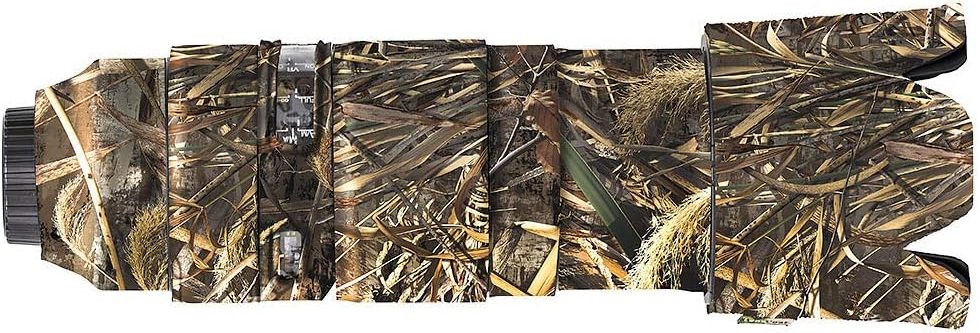
LensCoat Camo Neoprene Camera Lens Cover Protection for Nikon 80-400 VR
The industry benchmark for lens protection — custom fitted for specific lens models so there’s zero interference with focus rings, zoom controls or lens switches. Neoprene construction protects against bumps, scratches and field conditions while breaking up your lens silhouette. Available in Forest Green, Realtree Max5 and multiple patterns to match your shooting environment.
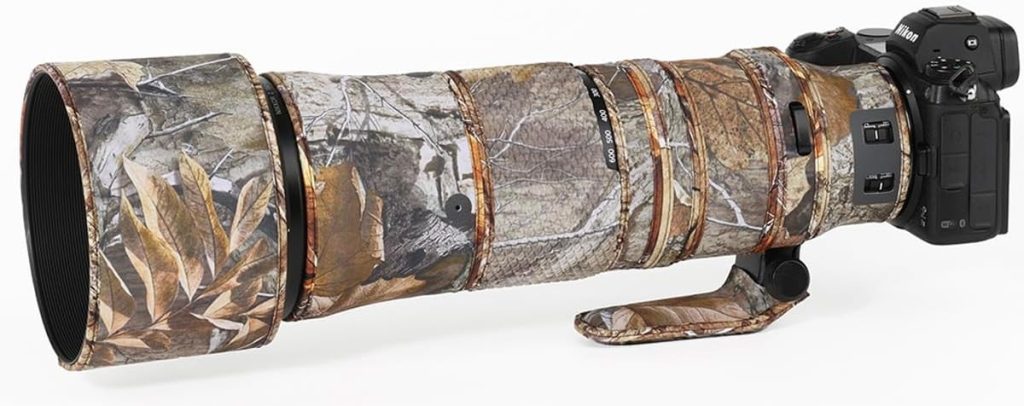
Chasing Birds Lens Camouflage
Designed by a wildlife photographer who needed better field protection for expensive glass. Premium neoprene construction in realistic camo patterns — fits snugly without interfering with zoom or focus controls. Lightweight, quiet, and built specifically for photographers who spend serious time in the field.
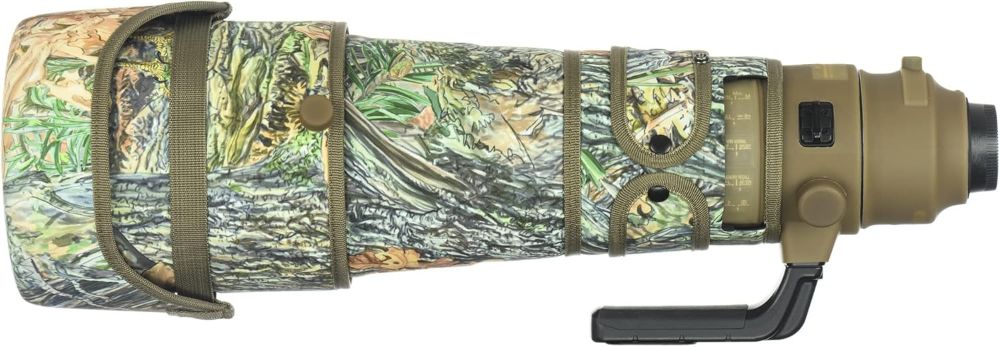
Tragopan CamShield
Full lens protection with complete access to controls via moulded silicon parts. Shock-absorbent and water resistant with a non-stretch thermoformed exterior. Available for Nikon, Canon and Sony supertelephoto lenses in multiple camo patterns including Autumn and Forest Green.
Rainhoods — Protecting Your Investment in the Field
Your camera and lens represent a serious financial investment. Rain, dew, mist and condensation are constant threats in the field — and unlike clothing, your gear can’t be dried out overnight and used again tomorrow. A dedicated rain cover isn’t optional equipment for serious wildlife photographers. It’s insurance.
The best camo rain covers do double duty — protecting your gear from weather while simultaneously breaking up your equipment’s silhouette. Here are three options across different price points:
For serious wildlife photographers, the LensCoat RainCoat RS (Rain Sleeve) is one of the best investments you can make. LensCoat® RainCoat RS provides protection for your camera and lens from the elements like rain, snow, salt spray, dirt, sand and dust while allowing you easy access to the camera and lens controls. The RainCoat RS comes in three sizes Small (for camera body and lens up to 10″) and Medium (for camera body and lens up to 15″) and Large (for camera body and lens up to 21″). The RainCoat RS is constructed from a lightweight waterproof, breathable material. Available in Black, Green, Navy, Realtree® Max4, Realtree® Max5, Realtree AP Snow, Digital Camo, and Forest Green camouflage pattern. The tape sealed for maximum protection. For wetland and marsh photographers especially, the rain protection alone is worth the price.
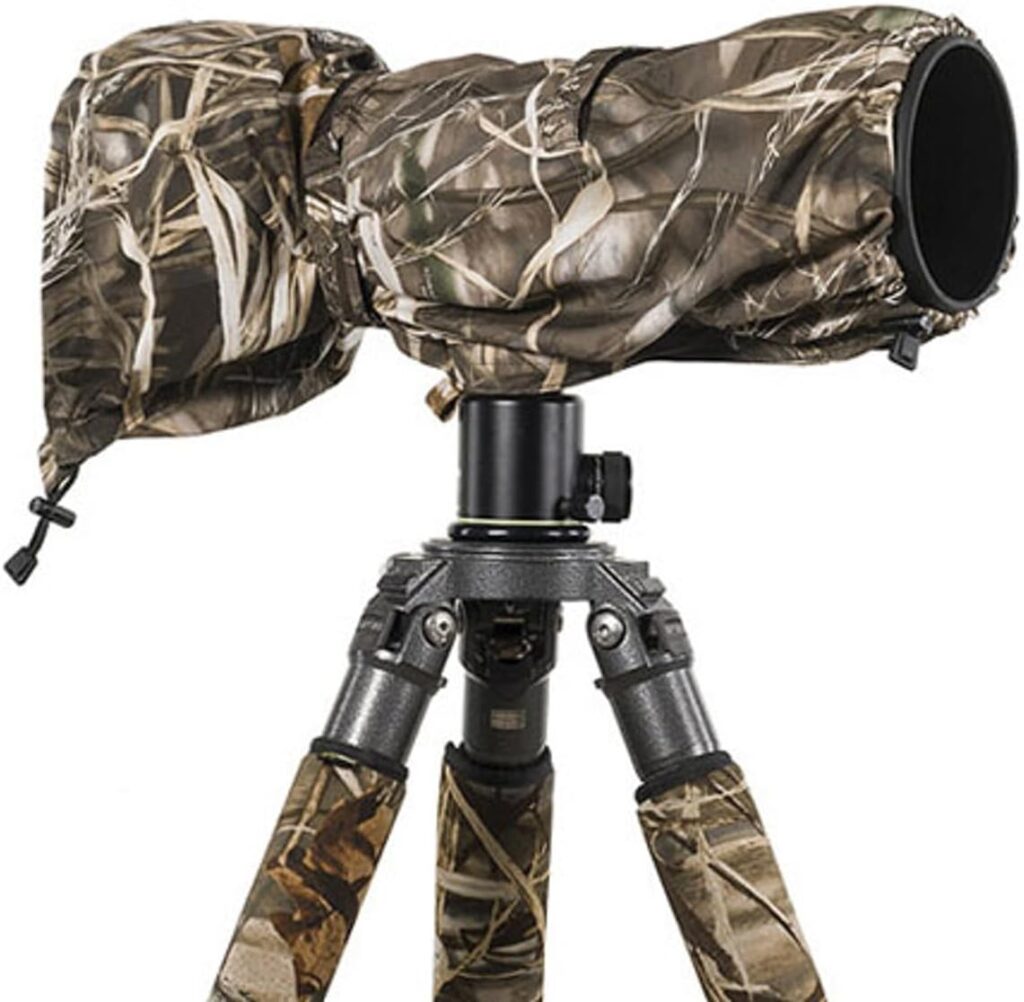
The premium choice, custom fitted, Realtree Max4 HD camo, designed specifically for large telephoto setups. Rain protection AND concealment in one.
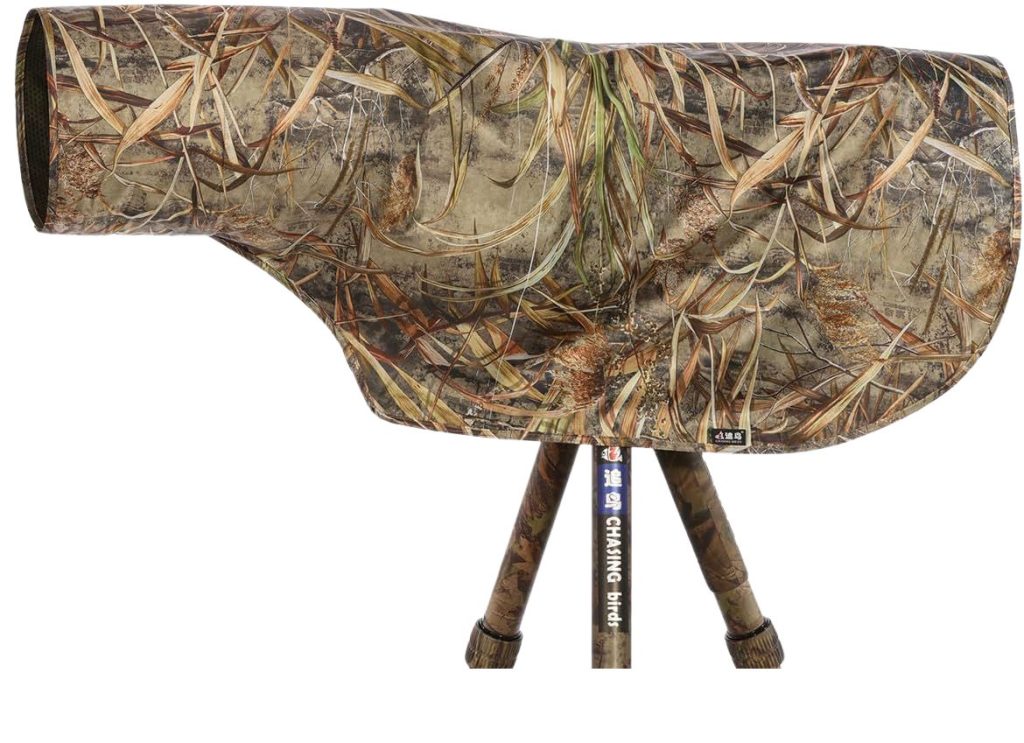
Purpose-built by a wildlife photographer. Waterproof, Anti-UV, opaque camo construction. Fits most telephoto setups without interfering with controls.
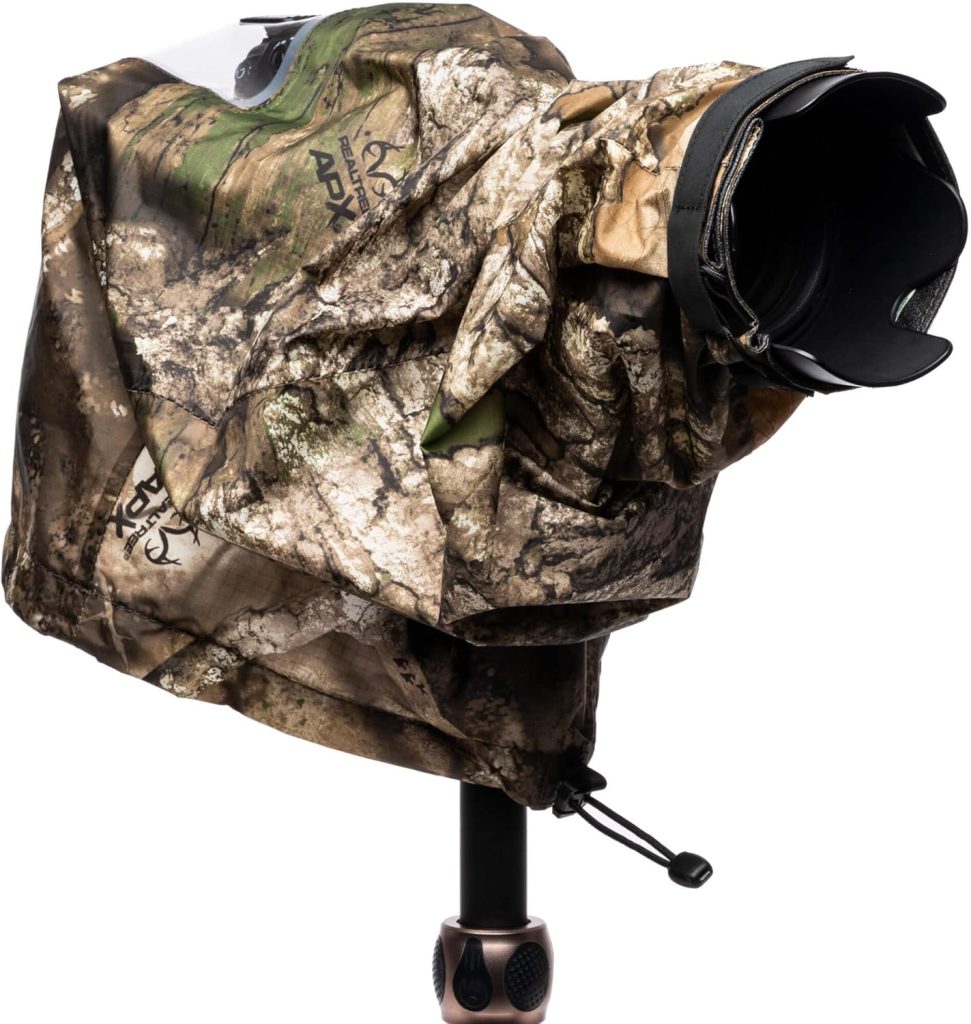
Think Tank Emergency Rain Cover
Seam-sealed protection for downpours and dusty conditions — available in three sizes covering 24-70mm through 300-600mm lenses. Compresses into its own carrying pouch so it lives permanently in your camera bag. Realtree APX camo or black.
Camera Body Wraps
While your camera body is smaller than your lens, its black or silver finish still contrasts sharply with natural settings and can spook wildlife. The good news is camera body concealment is one of the most affordable upgrades you can make.
For a clean, professional finish, the Mossy Oak Graphics Camouflage Tape Roll is purpose-built for cameras and hunting accessories. The matte vinyl finish eliminates reflective glare — a common wildlife spooker — and wraps cleanly around body contours without leaving residue.
The PATIKIL Camo Tape Wrap is designed to give wildlife photographers a practical way to reduce glare, blend into natural surroundings, and protect valuable equipment. Its lightweight, flexible, waterproof, and reusable construction makes it ideal for long days in the field. The non‑woven fabric fibers cling to themselves without traditional adhesives, so the tape removes cleanly with no sticky residue left on your camera or lenses.
Budget-conscious photographers should check out the DROK Camo Tape Wrap — a multipack option at a great price point, specifically listed for cameras and rangefinders. At roughly $10-15 per roll it’s the most economical way to break up your camera’s silhouette.
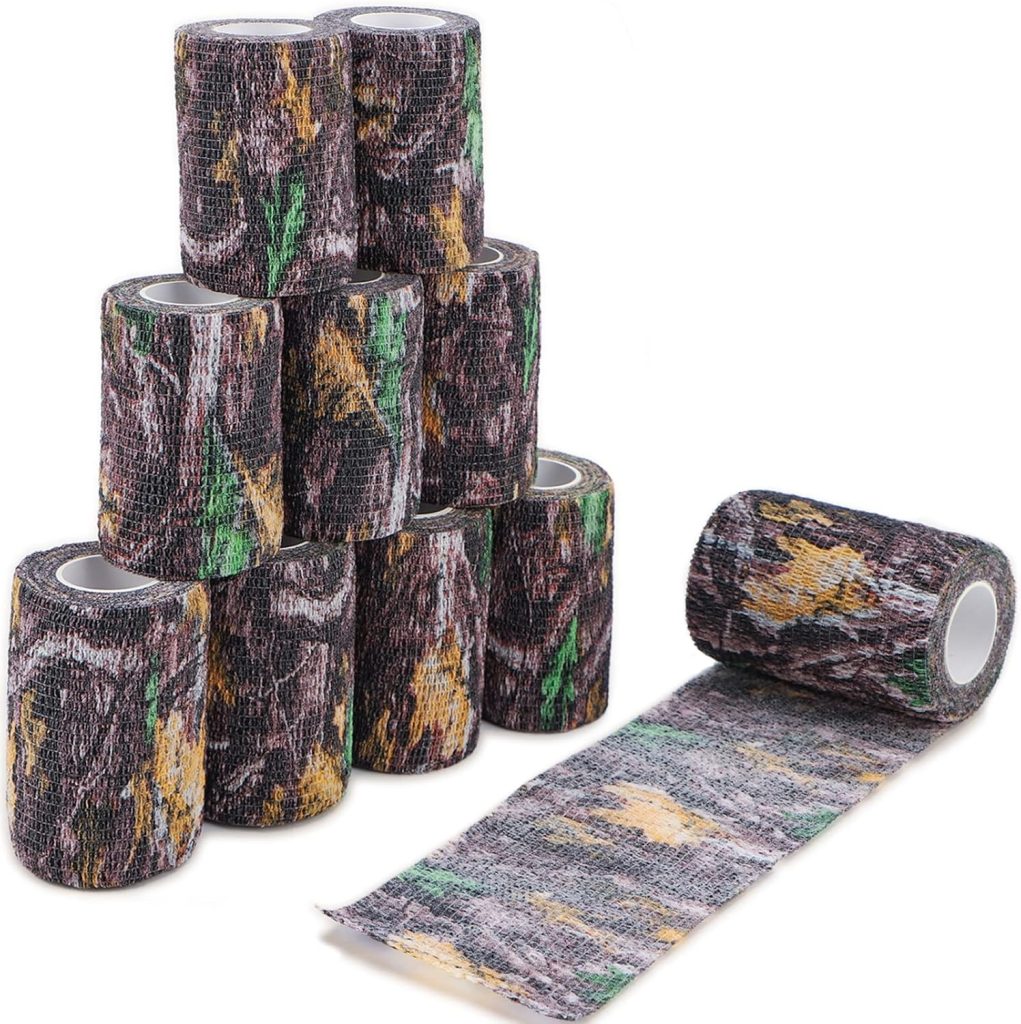
DROK Camo Tape Wrap
a multipack option at a great price point, specifically listed for cameras and rangefinders. At roughly $10-15 per roll it’s the most economical way to break up your camera’s silhouette.
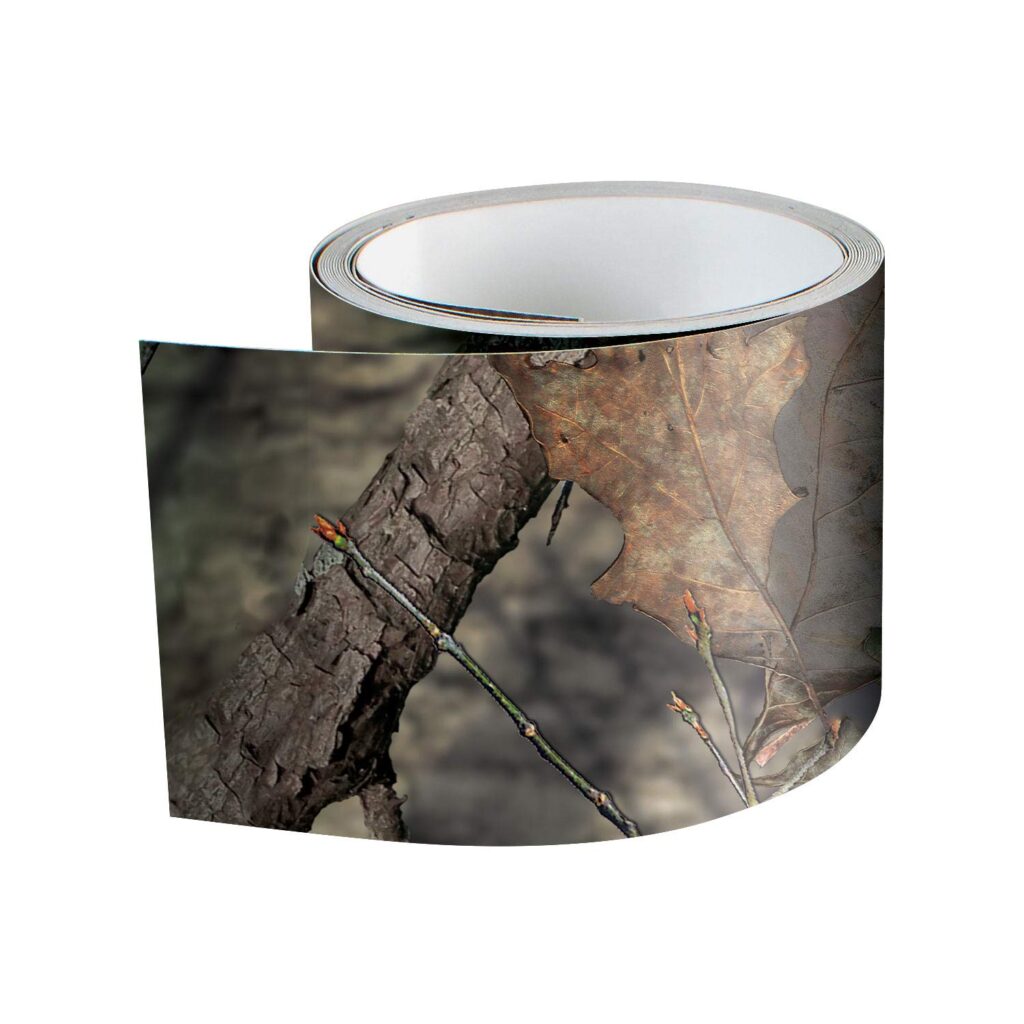
Mossy Oak Graphics Camouflage Tape Roll
is purpose-built for cameras and hunting accessories. The matte vinyl finish eliminates reflective glare, a common wildlife spooker, and wraps cleanly around body contours without leaving residue.
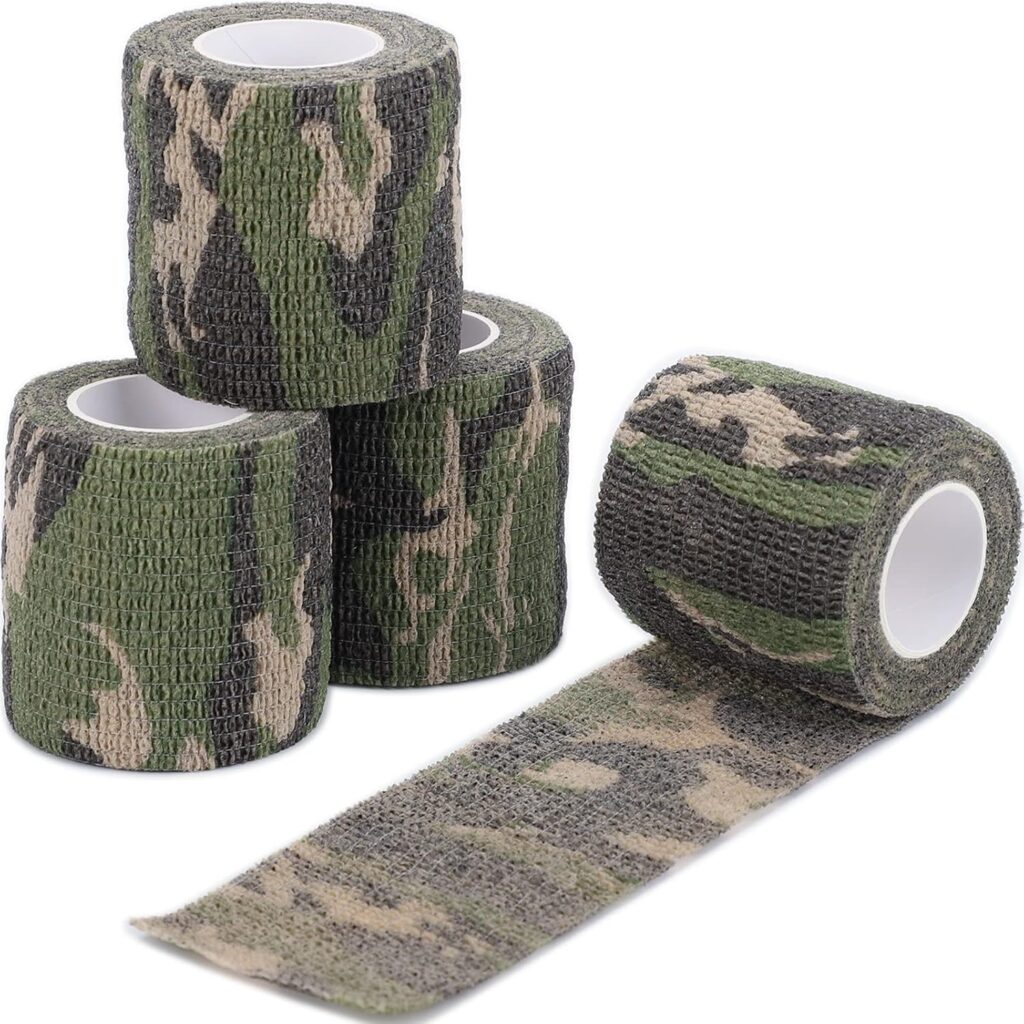
PATIKIL Camo Tape Wrap
is designed to give wildlife photographers a practical way to reduce glare, blend into natural surroundings, and protect valuable equipment. Its lightweight, flexible, waterproof, and reusable construction makes it ideal for long days in the field. The non‑woven fabric fibers cling to themselves without traditional adhesives, so the tape removes cleanly with no sticky residue left on your camera or lenses.
Protecting Your Investment with Camo Lens Protection
Your telephoto lens is likely the most expensive piece of equipment you carry into the field. A 500mm or 600mm lens represents thousands of dollars in precision glass and engineering, and the field is not a gentle environment. Dust, moisture, accidental impacts, and the general wear of serious field use all take their toll.
The good news is that protecting your glass and concealing it from wildlife are not separate problems. The right lens protection does so at once, keeping your investment safe while breaking up the distinctive silhouette that alerts animals to your presence.
LensCoat has been solving this exact problem for serious wildlife photographers for years. Every product in their range is purpose-built for field use, not adapted from general photography accessories, but designed from the ground up for photographers who spend real time outdoors in real-world conditions.
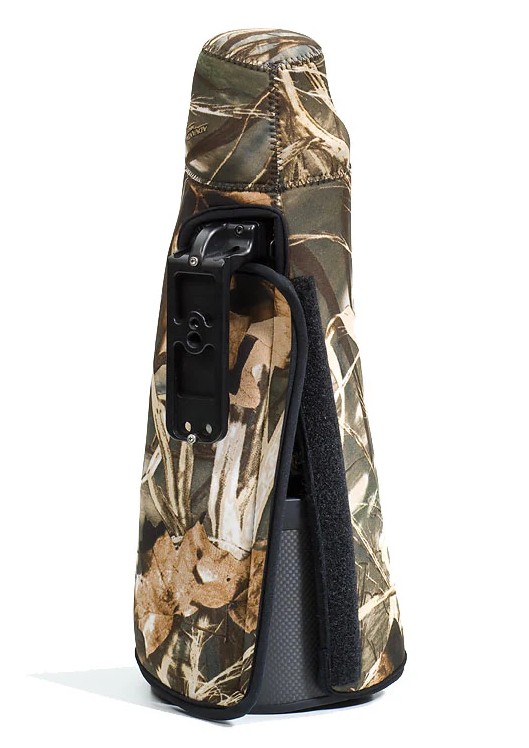
LensCoat TravelCoat:
3mm thick shock-absorbing closed-cell neoprene, custom tailored to fit your specific lens model. Protects against dust, small impacts and scratches while keeping your telephoto compact for packing and storage between shoots.
Compatible with lens hood in reversed position — no bulk, no compromise. Works seamlessly over an existing LensCoat lens cover for double protection. Available for Canon, Nikon, Sony and Olympus telephoto lenses in multiple camo patterns.
From $54.50 — View at LensCoat →
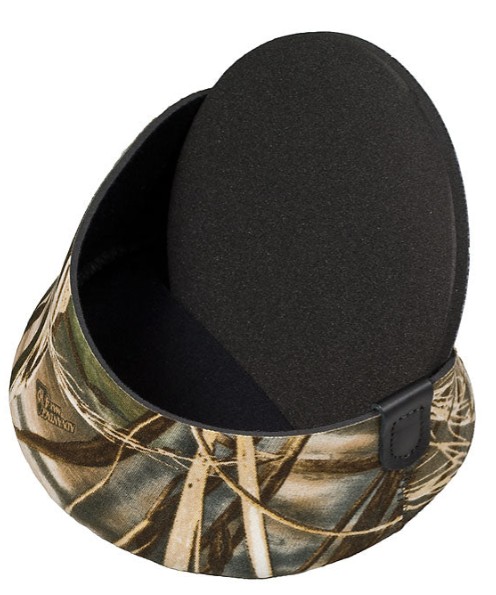
LensCoat Hoodie Lens Cap:
Hoodie Lens Cap with Front Element Protection in Camo
Neoprene stretch-fit lens cap with rigid plastic and foam insert protecting your front element from dirt, dust, moisture and impact. Nine sizes from XX Small through 4X Large — fits everything from compact primes to supertelephoto lenses.
Available in camo patterns for wildlife photographers who need to stay unobtrusive in the field. Pairs seamlessly with TravelCoat and other LensCoat products for complete lens coverage. From $17.50 View at LensCoat →
Tripod and Support Gear
Your tripod creates tall vertical lines that stand out in natural settings. LegCoat wraps from LensCoat provide camouflage coverage for tripod legs in various patterns. LegCoat Wraps are made from soft neoprene are designed to wrap around the upper leg of your tripod and are easily affixed with a Velcro closure. Beyond concealment, these wraps provide padding for shoulder carries and insulation during cold weather shooting.
For photographers using monopods or hiking staffs as camera support, camo tape provides an inexpensive and effective concealment solution.
Where to Buy: B&H Photo, Adorama, Amazon, and directly from LensCoat.com offer the widest selection. Check for bundle deals that include lens covers, body wraps, and accessories together at a discount.
Pop-Up Blinds: Portable Wildlife Photography Hides
Photography blinds create a physical barrier between you and your subject, allowing you to move, adjust gear, and even stand without being detected. They’re particularly effective for bird photography, waterfowl work, and situations where you’ve identified a specific location animal frequent.
Hub-Style Photography Blinds
Hub blinds use a spring-loaded frame that pops open in seconds, creating an instant hide. The Ameristep Care Taker Kick Out Pop-Up Ground Blind is a photography favorite with a 75-inch height that accommodates standing photographers, multiple shooting windows, and a spacious 69×69-inch footprint for gear organization. At around $108.99 with 1,700+ reviews and 4.5 stars, it’s one of the most trusted blinds on the market. The roof remains solid while walls feature shoot-through mesh, allowing lens deployment at any angle.
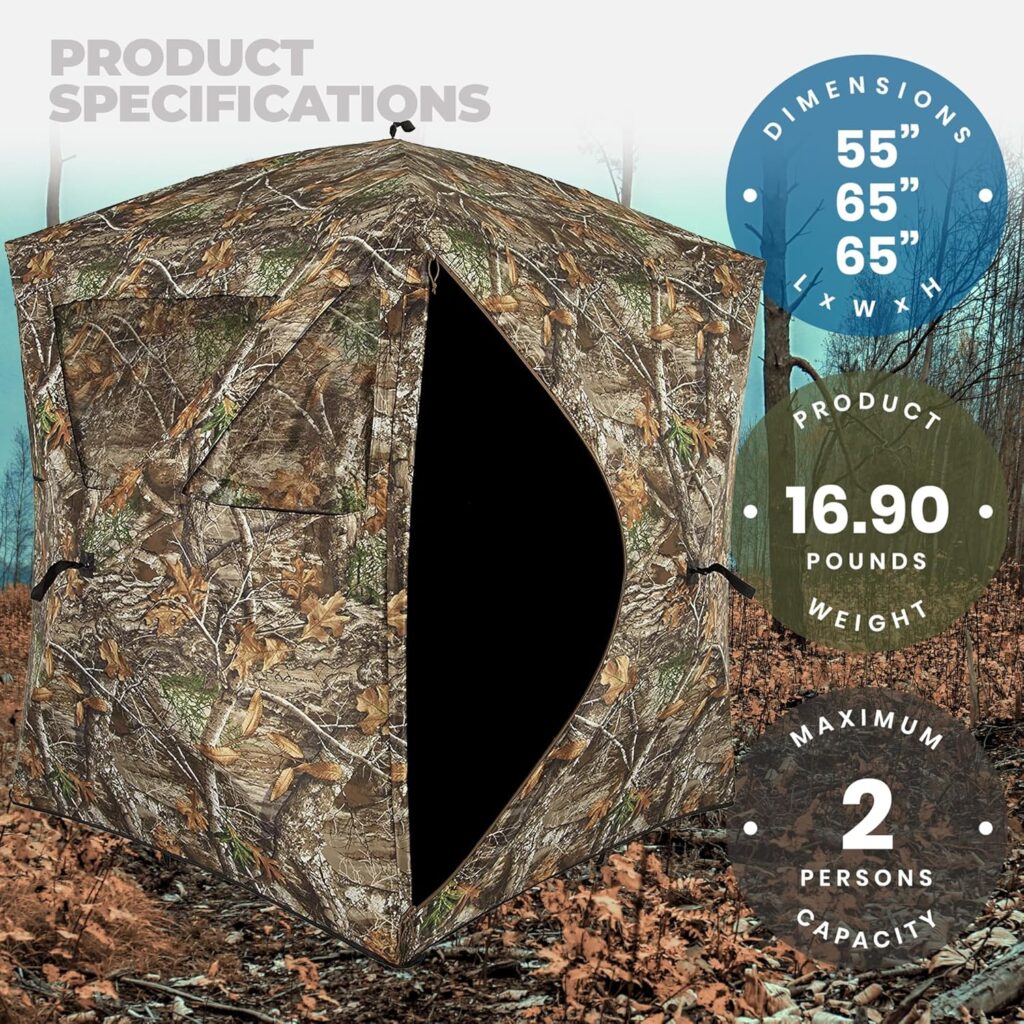
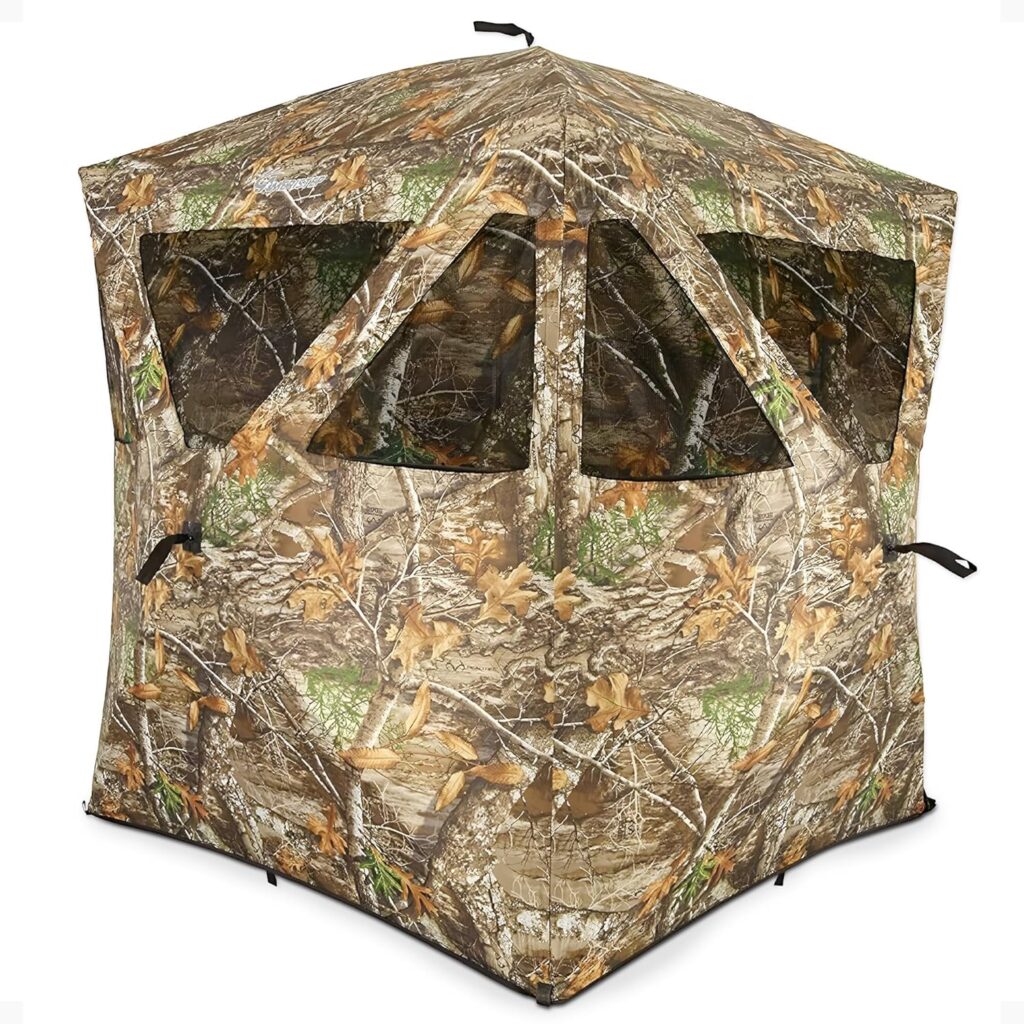
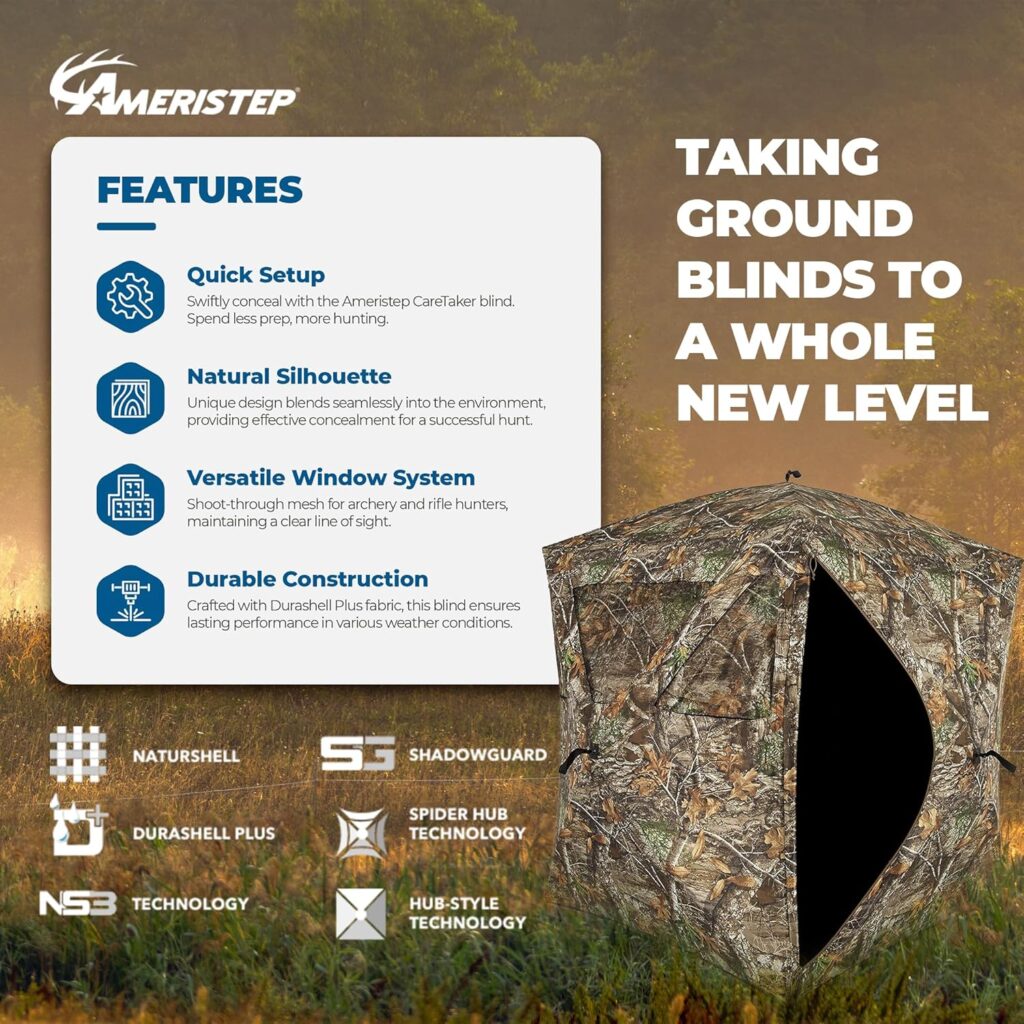
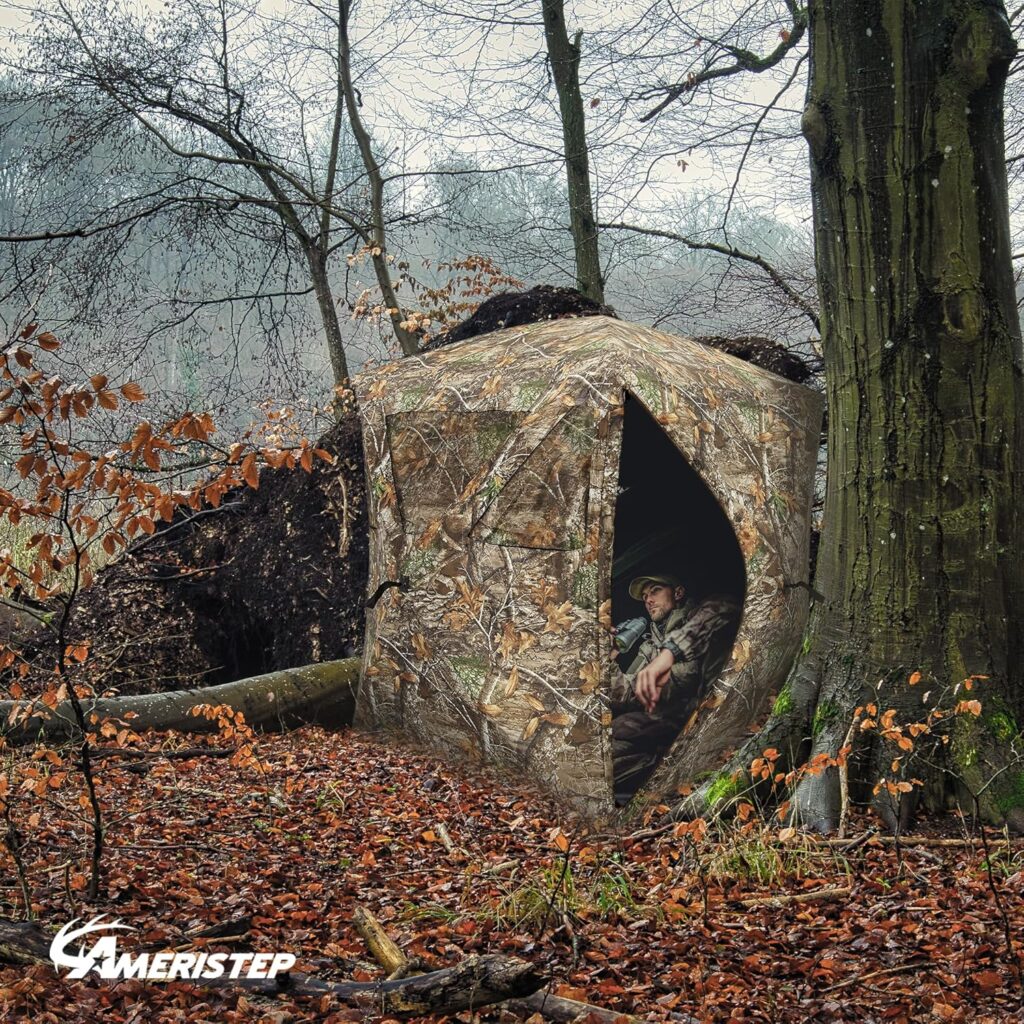
Buy from Amazon: Ameristep Care Taker Kick Out Pop-Up Ground Blind
For photographers seeking maximum space and panoramic shooting options, the Barronett Blinds Pentagon Hunting Hub Blind is a standout choice. Its unique 5-sided design creates 41.5 square feet of interior space — 70% larger than a standard 4-sided blind — giving you room to set up a tripod, organize gear, and shoot comfortably without feeling cramped. Panoramic windows offer shooting angles in virtually every direction, while low-sill windowsills accommodate seated positions perfect for ground-level wildlife shots. The reinforced framework and thicker poles help it withstand wind and weather without collapsing mid-shoot. For serious wildlife photographers who spend long hours in the field, the extra space makes a real difference in comfort and image quality.
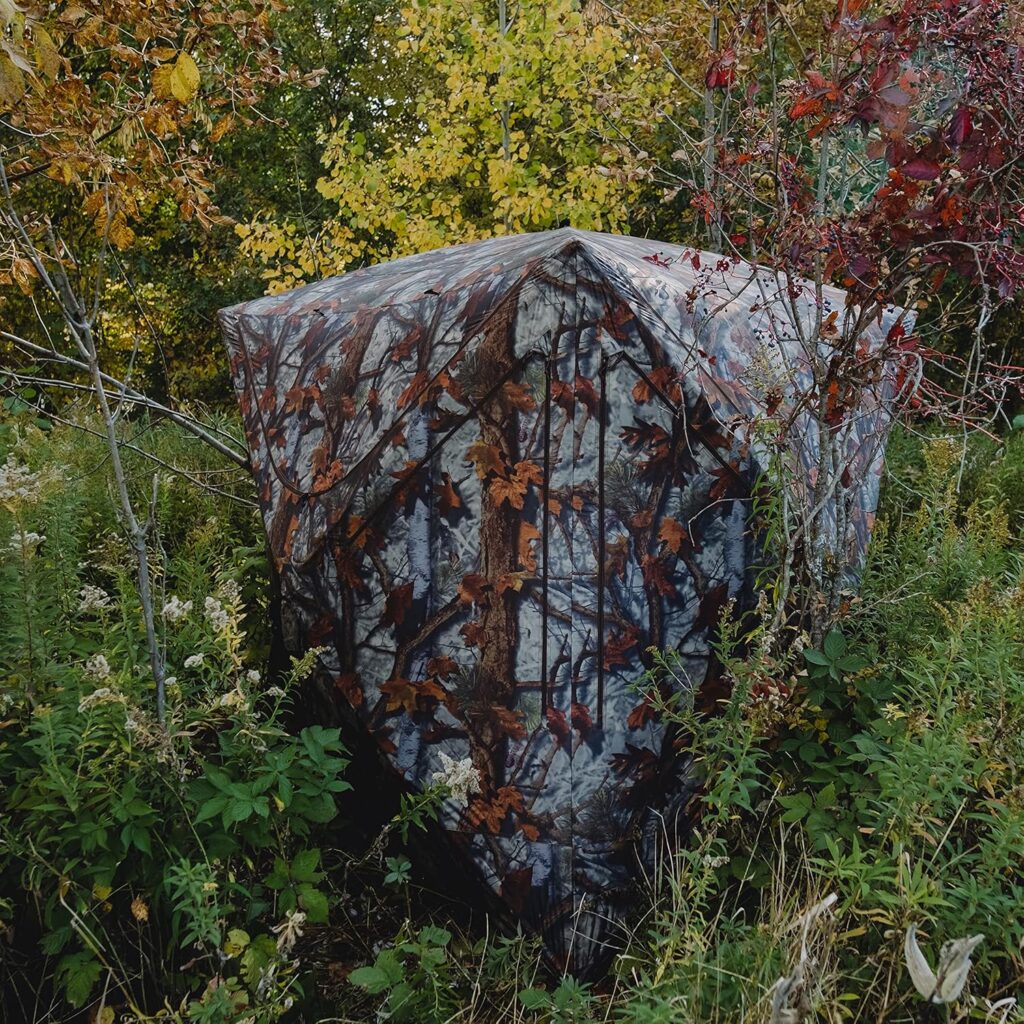
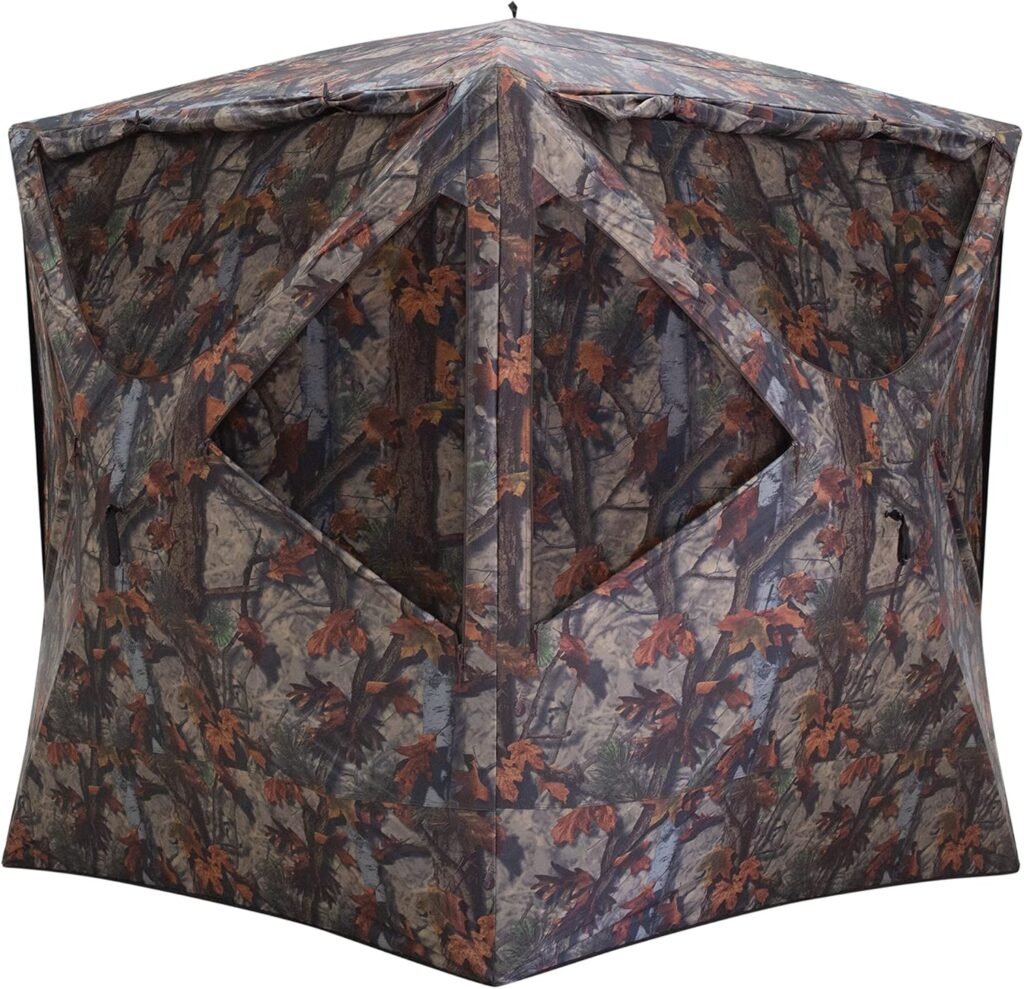
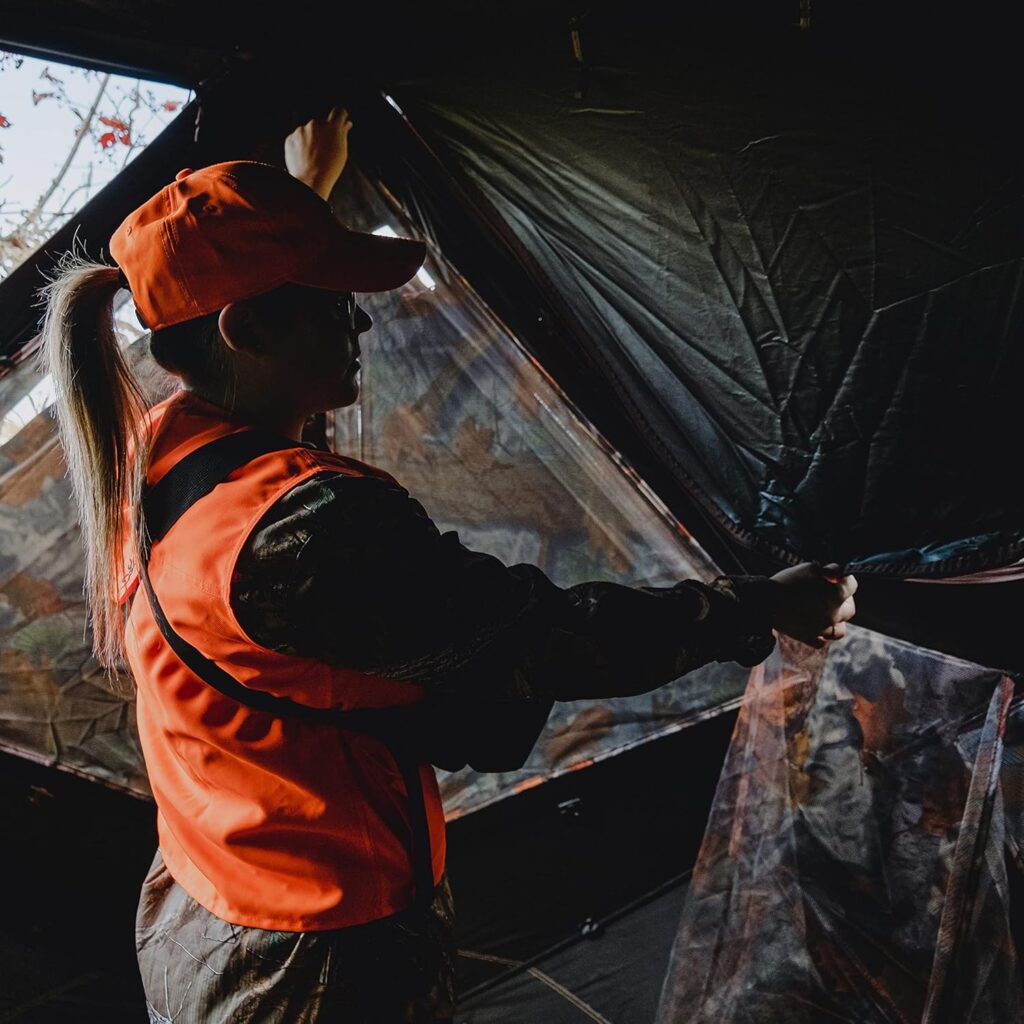
Buy from Amazon: Barronett Blinds Pentagon Hunting Hub Blind
For solo photographers on a budget, the Ameristep Doghouse Blind, Multi, One Size, priced at roughly $100-130, delivers excellent value. Measuring 60×60 inches with a 66-inch height, it comfortably fits one photographer with a full tripod setup and gear bag. The Durashell Plus fabric with 3D Edge ReLeaf trim breaks up hard edges for natural concealment, while the carbon-enhanced black ShadowGuard interior eliminates shadows and silhouettes — meaning animals won’t detect movement inside, even in bright conditions.
Seven windows with shoot-through mesh give you flexible shooting angles without opening panels and alerting wildlife. At just 12 lbs. with a backpack carrying case, it’s one of the most packable hub blinds available and is ideal for photographers hiking into remote locations. The scent-blocking interior is a bonus for deer and elk photographers where wind management matters.
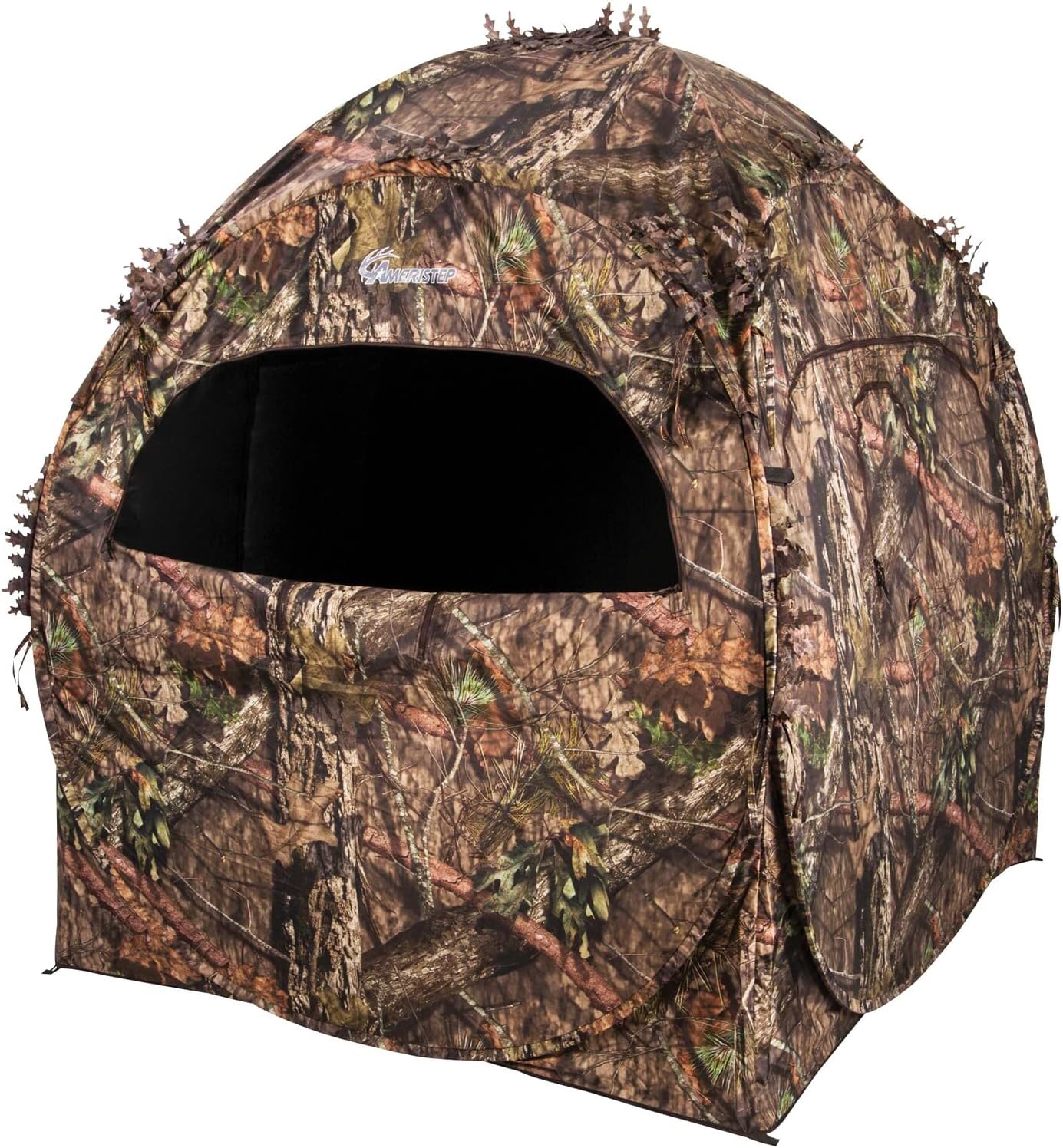
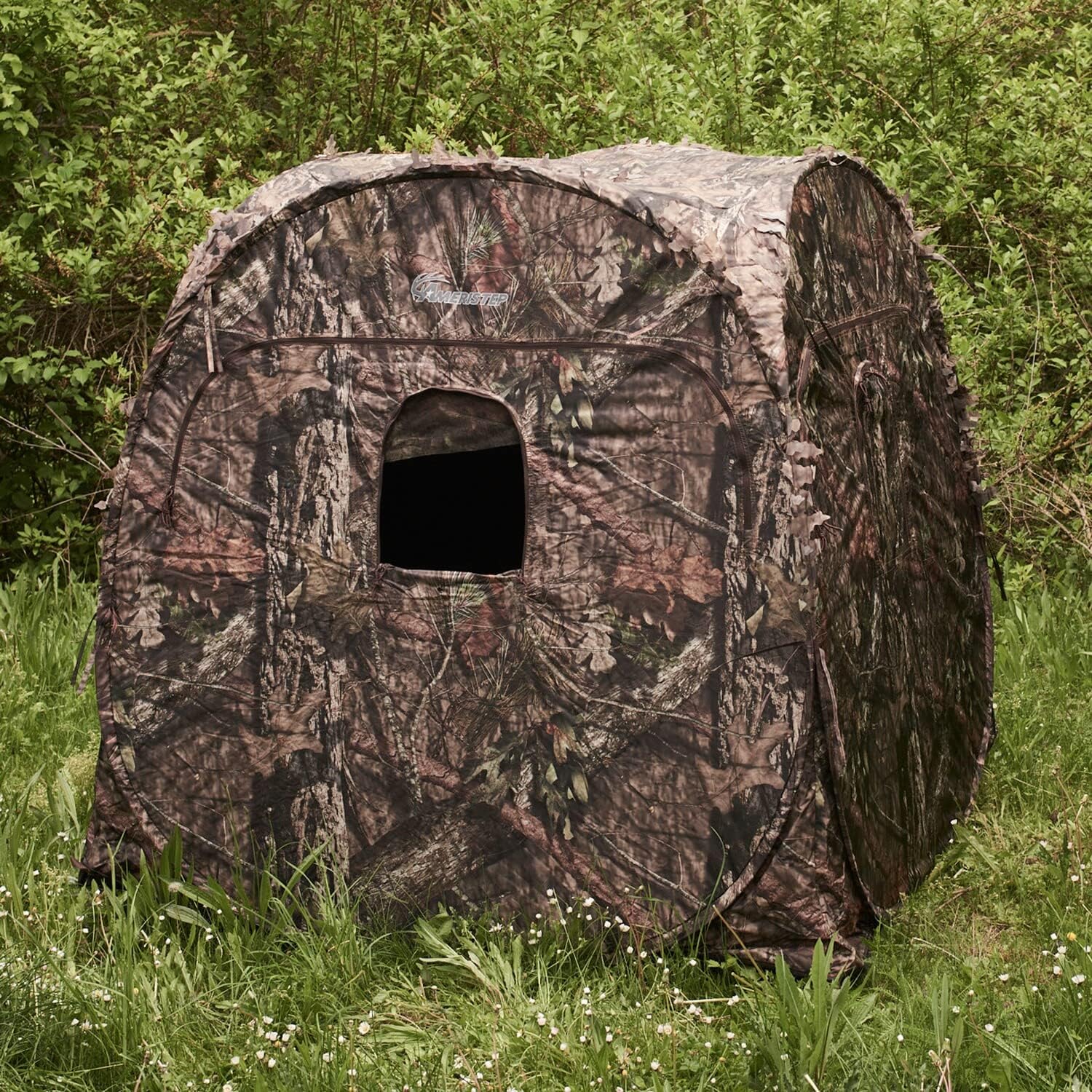
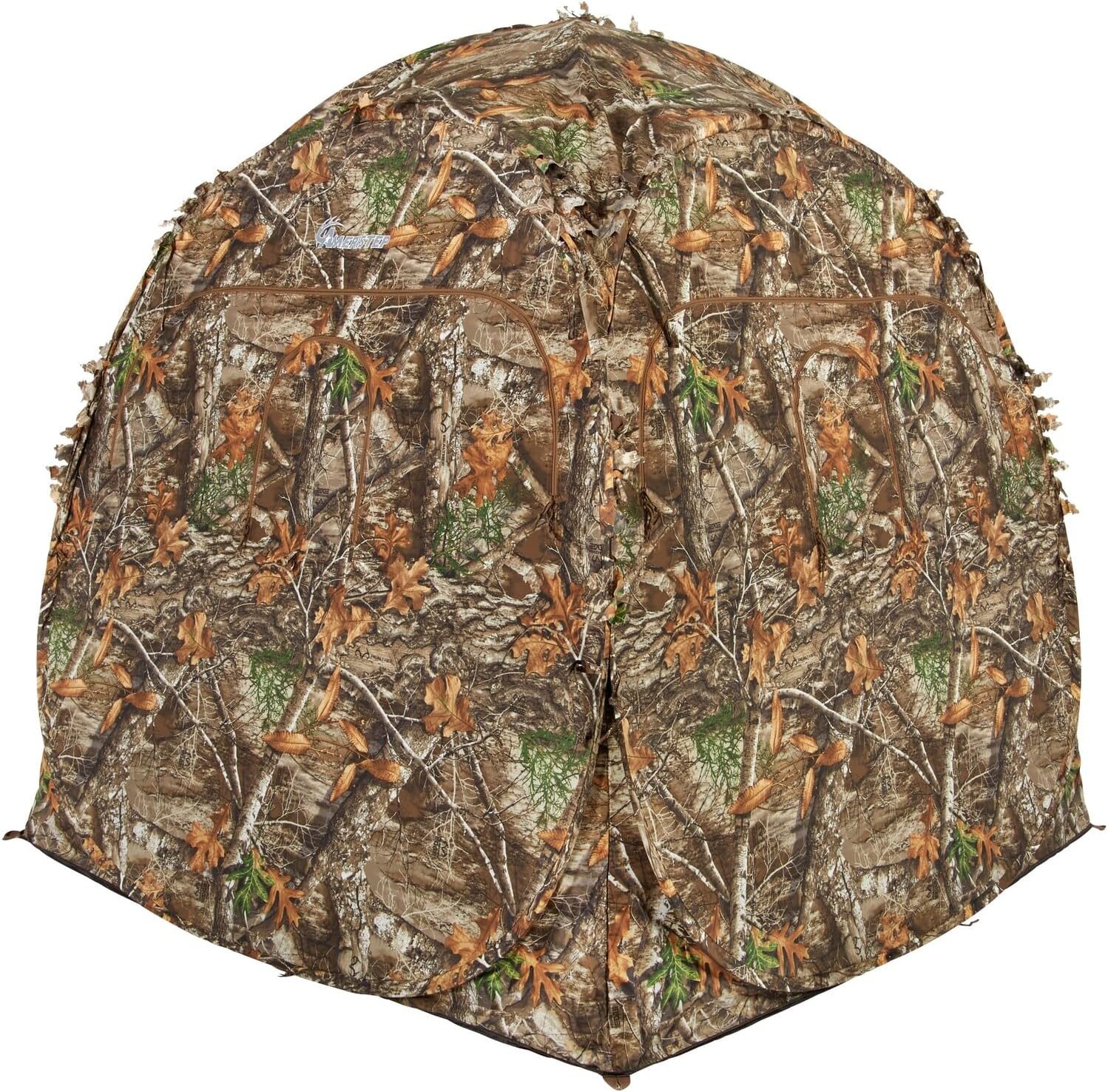
Buy from Amazon: Ameristep Doghouse Blind, Multi, One Size
Specialty Bird Photography Blinds
Bird photographers often need lower-profile concealment for ground-level shooting. Tragopan V6 Ground Hide is specifically designed for bird photography with a horizontal orientation, multiple sleeve openings for lenses, and a silent floor system. The drawstring closure system is quieter than zippers that can alarm birds.
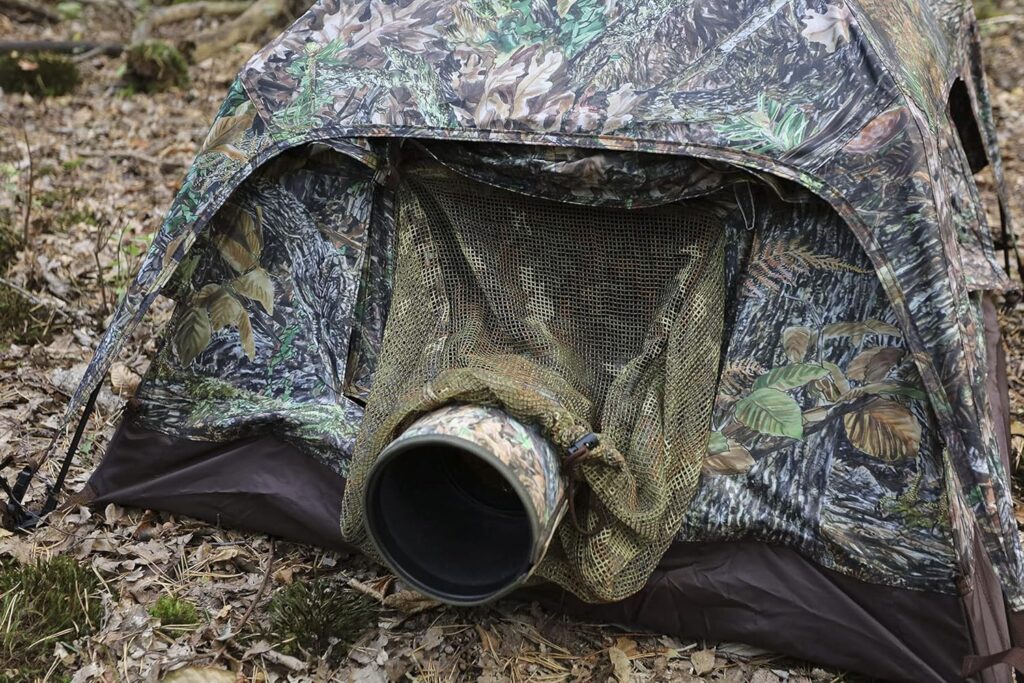
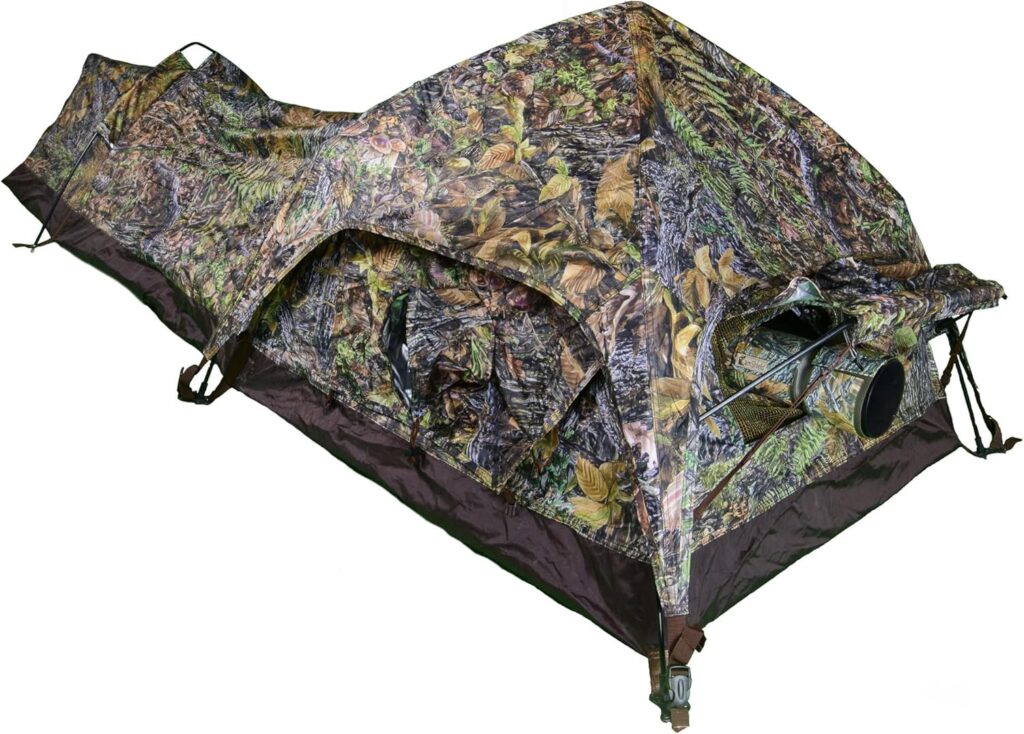
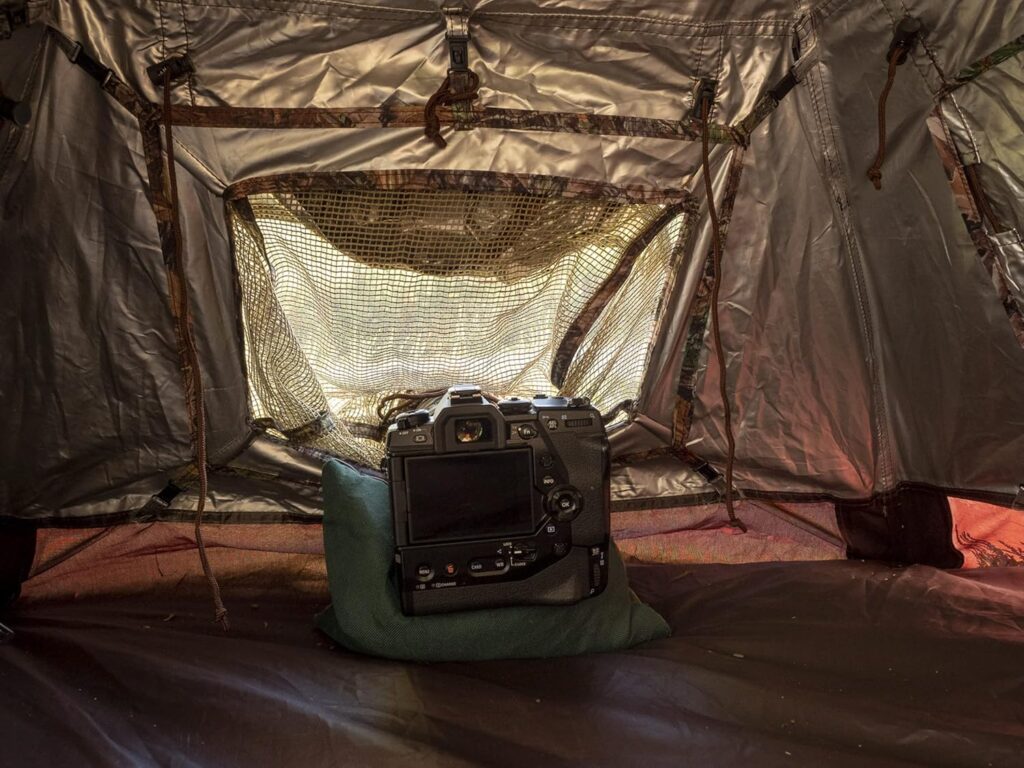
Buy from Amazon: Tragopan V6 Ground Hide
For coastal and wetland bird photography, the LensCoat LensHide provides a compact solution that conceals both photographer and gear while remaining light enough for beach and marsh hiking.
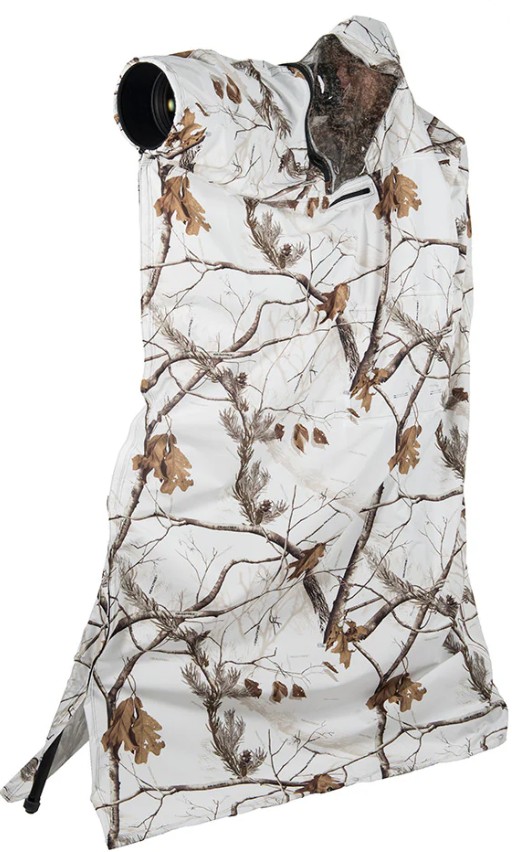
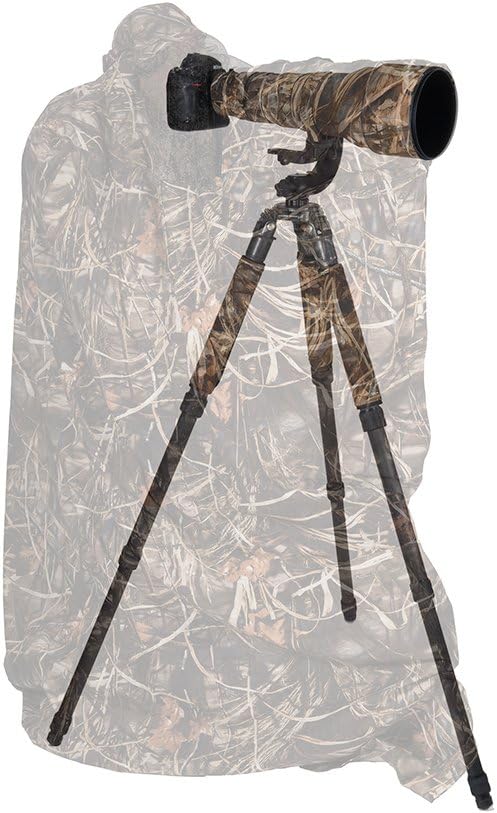
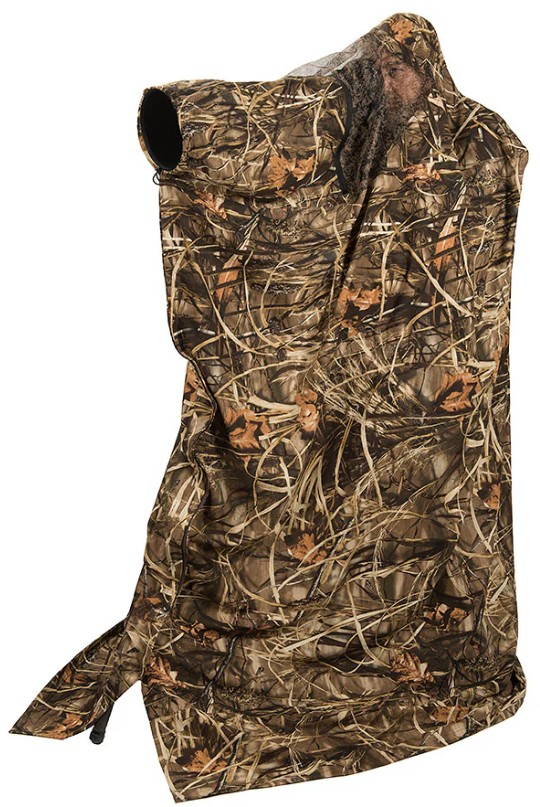
LensHide Photo Blind
LensHide Photo Blind; Lightweight
– 33% lighter than the original, perfect for long treks and mobile setups. Designed to shield your entire body, tripod, and gear while allowing for easy adjustments without alarming wildlife.
LensHide Photo Blind; Water-Repellent & Tall
– Weather-repellent version with a taller build for added coverage and flexibility in harsh environments. Designed to shield your entire body, tripod, and gear while allowing for easy adjustments without alarming wildlife.
Introduction to the LensCoat LensHide
To photograph wildlife without them knowing, you need to be discreet, and that’s what you get with LensCoat’s LensHide photography blinds. Designed with a camouflage pattern, the LensHide puts you, video/camera gear, and tripod out of sight. Made lighter and water-repellent, the LensHide’s breathable fabric offers comfort during long hours in the field and prevents wildlife from noticing you. The design has a comfortable, tight-fitting cap and an elastic cinch strap to keep the blind in place on your lens.
Click on the image to take you to the Video.
Blind Setup and Placement Tips
Blinds are only effective when properly placed and conditioned. If possible, set up your blind 3-5 days before your intended shoot, allowing animals to acclimate to its presence. Each day, spend progressively more time inside so wildlife becomes accustomed to the structure.
Position blinds with the sun behind you to avoid harsh shadows and lens flare. Face the dominant wind direction so your scent doesn’t carry toward approaching animals. Clear any branches or vegetation that might brush against the blind fabric, as even light contact creates noise and movement that alerts animals.
Use natural cover to break up the blind’s outline. Even camo-patterned blinds benefit from strategic placement near trees, brush, or rock formations that interrupt the geometric shape.
Blind Accessories
Enhance your blind’s effectiveness with proper accessories. Ground stakes and tie-downs prevent movement in wind. Scent elimination spray like D/CODE by Code Blue Unscented Field Spray, Scent Elimination reduces human odor that can leak from blind openings. Silent zippers or Velcro covers minimize noise when adjusting window positions.
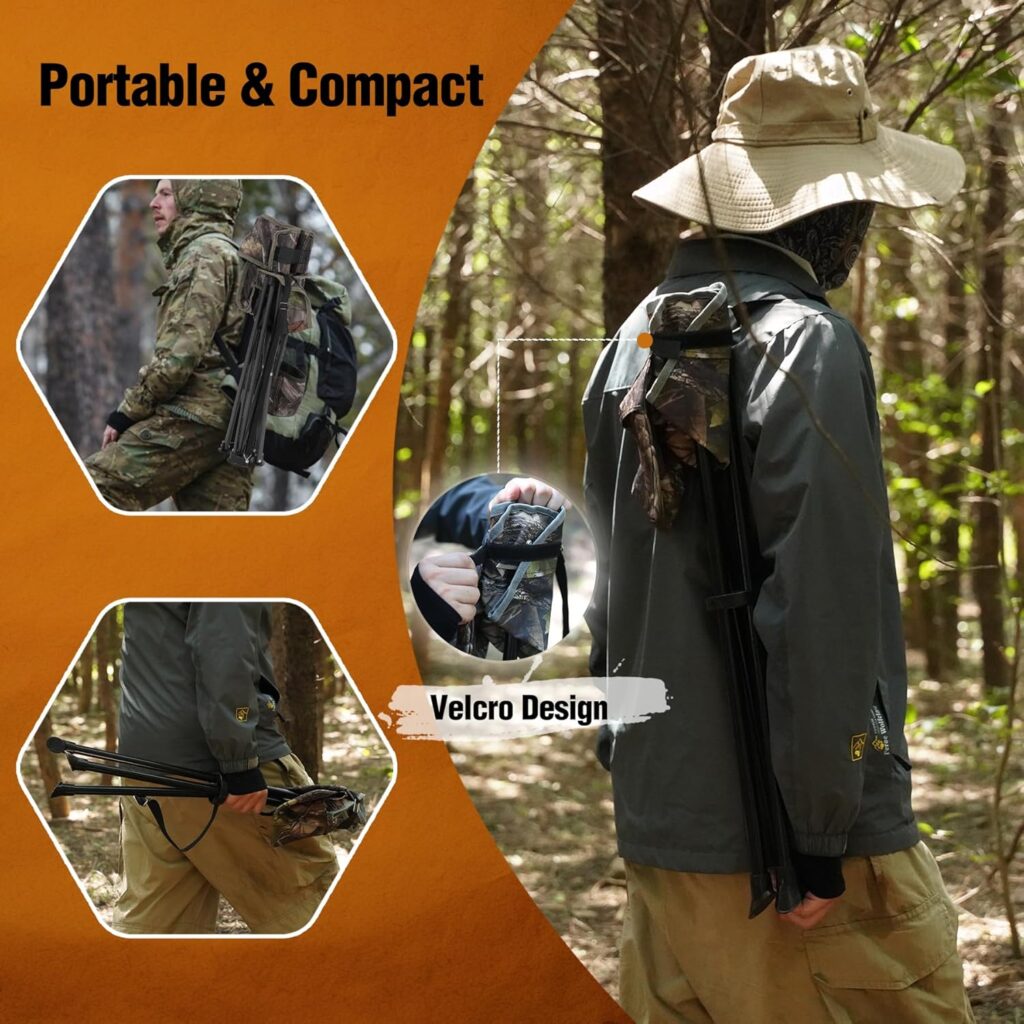
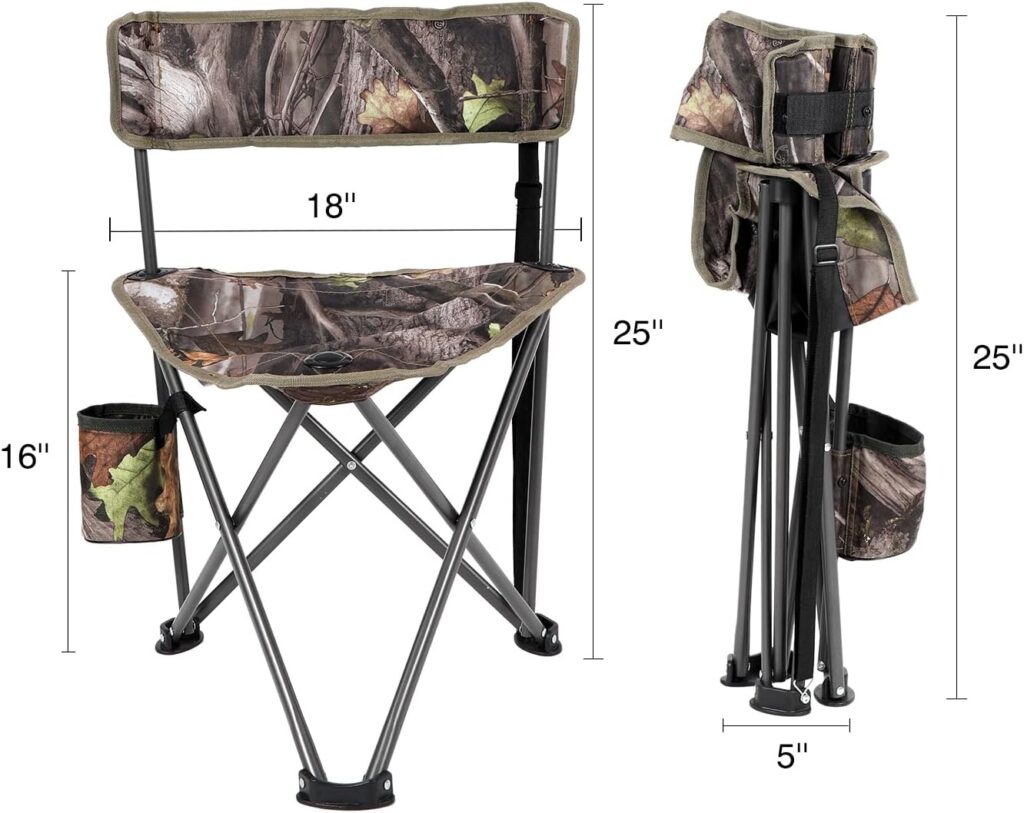
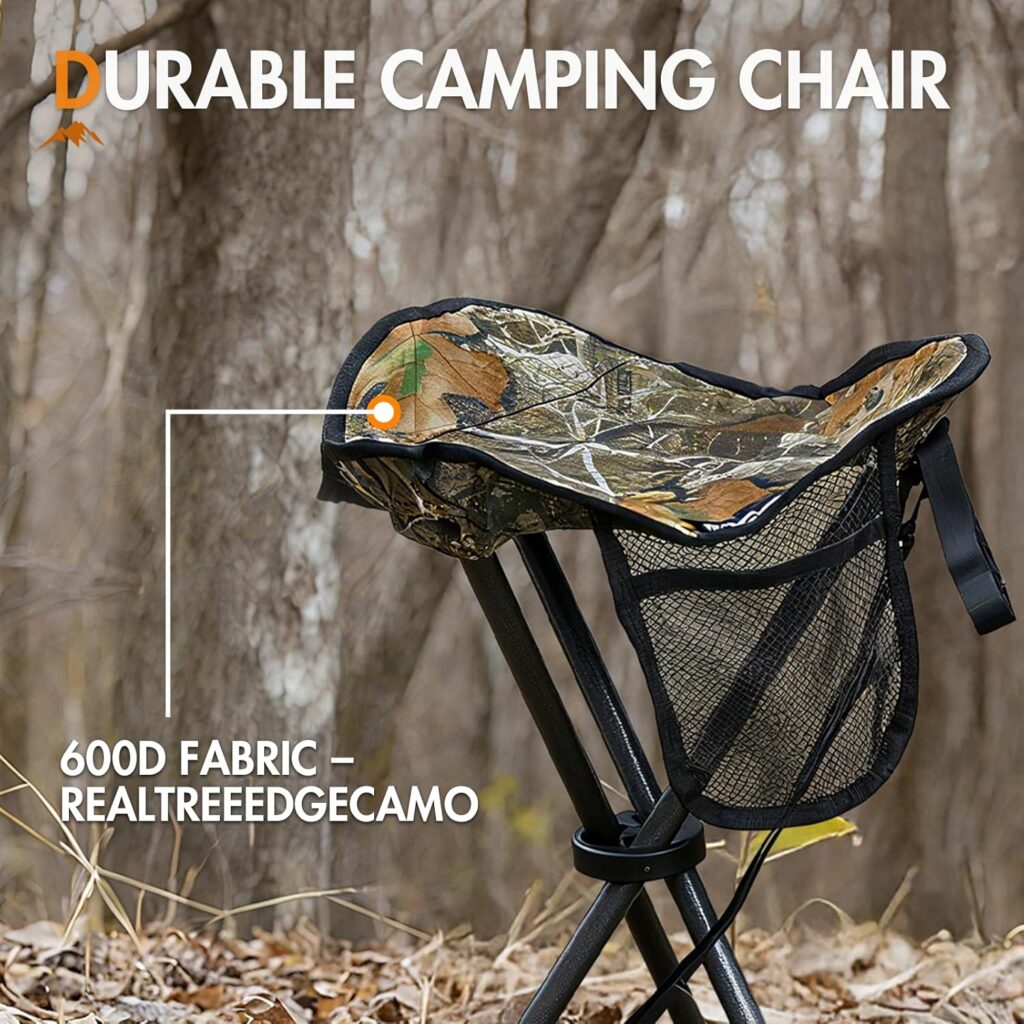
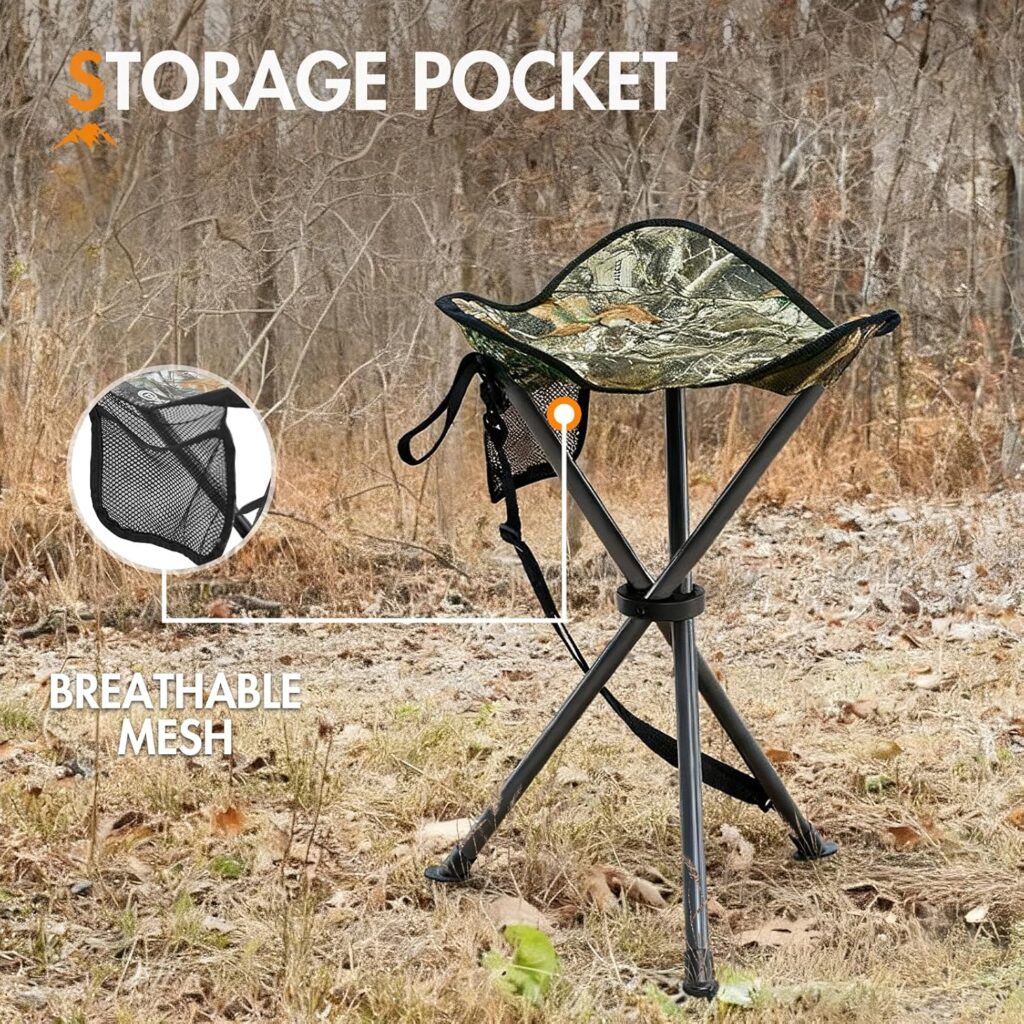
Consider a portable blind stool with or without back support such as the REDCAMP 2 Pack Tripod Hunting Chairs for Blinds or the Portal Folding Camping Stool Portable Foldable Tripod Seat rather than sitting on the ground, as this elevation improves shooting angles and reduces fatigue during long sessions.
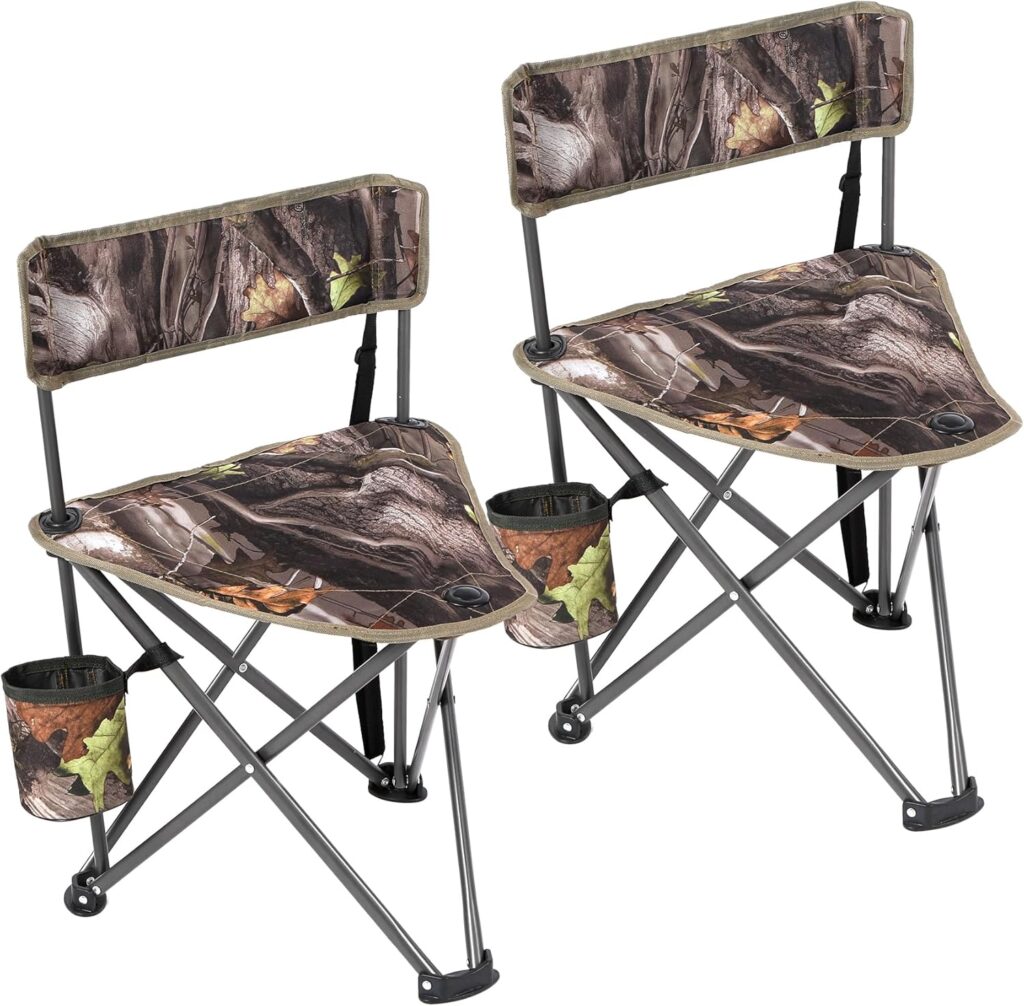
Where to Buy: Cabela’s, Bass Pro Shops, Amazon, Scheels, and specialty retailers like Huntersfriend.com offer extensive blind selections. Many retailers provide in-store setup displays allowing you to test different models before purchasing.
Face Masks and Headwear: The Often-Overlooked Elements
Your face and head create the most recognizable human profile for wildlife. Even with complete body camouflage, an exposed face will give away your position.
Face Masks and Paint
Primos Stretch-Fit Face Mask provides full-face concealment with a breathable fabric that won’t fog your glasses or viewfinder. The one-size design stretches to fit comfortably and includes a mouth opening for drinking and snacking during long waits.
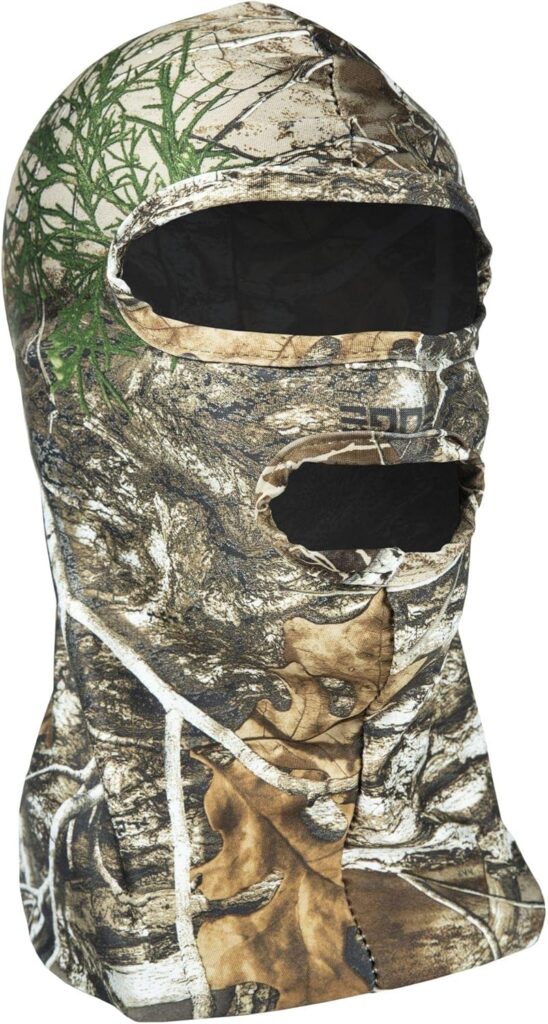
For photographers who find masks claustrophobic, Camo face paint offers an alternative. Hunter’s Specialties Camo-Compac includes a multi-color stick with brown, green, and black that you blend to match your environment. Break up the round shape of your face by applying darker colors to prominent features (nose, cheekbones) and lighter tones to recessed areas.
Face paint works best for warm-weather shooting when masks become uncomfortable. The drawback is the need for removal products and reapplication throughout the day as sweat breaks down coverage.
Headwear
A simple camo baseball cap breaks up your head’s rounded outline, but a full-coverage head net provides superior concealment. QuikCamo Two-Piece Camo Suit includes a mesh head net that covers your entire head and neck while remaining breathable. These nets work over glasses and allow you to wear a brimmed hat underneath for sun protection.
For photographers who prefer minimal face coverage, a camo boonie hat with a wide, irregular brim disrupts your head’s profile while providing sun protection. Outdoor Research GLORYFIRE Boonie Hat for Men and Women offers quick-dry fabric and a tempered brim that won’t blow around in wind.
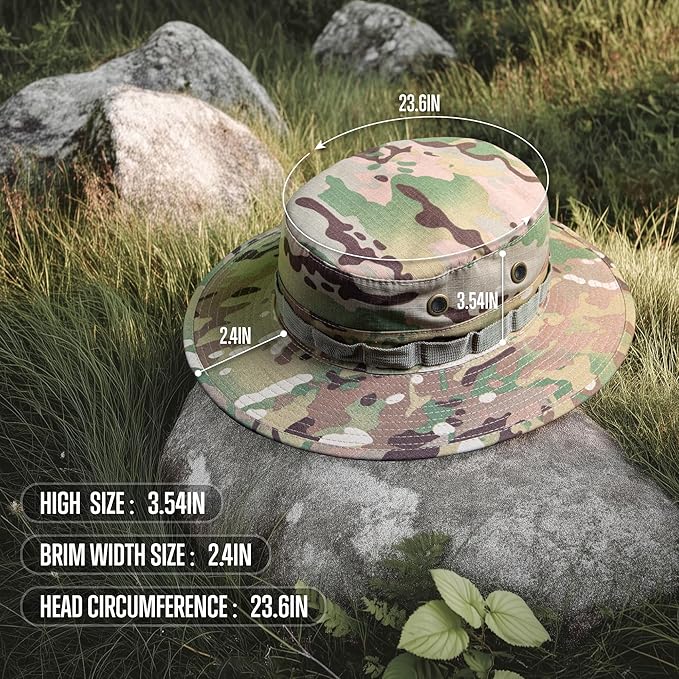
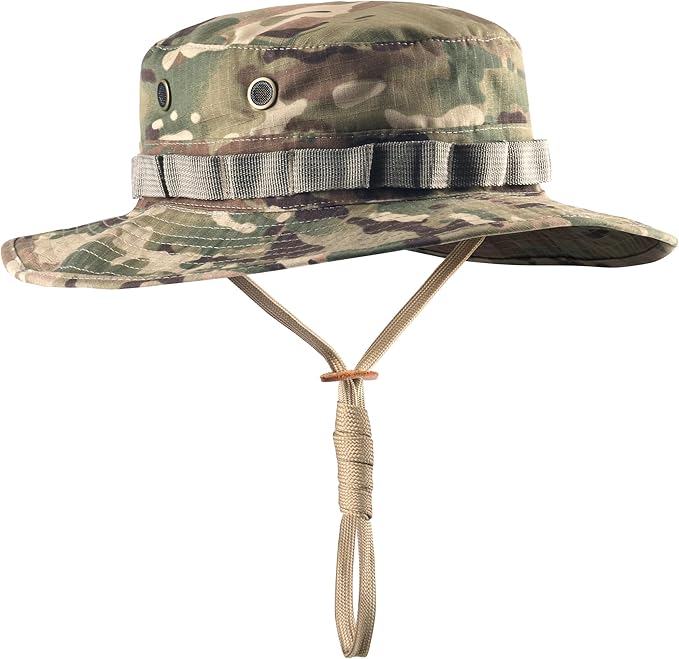
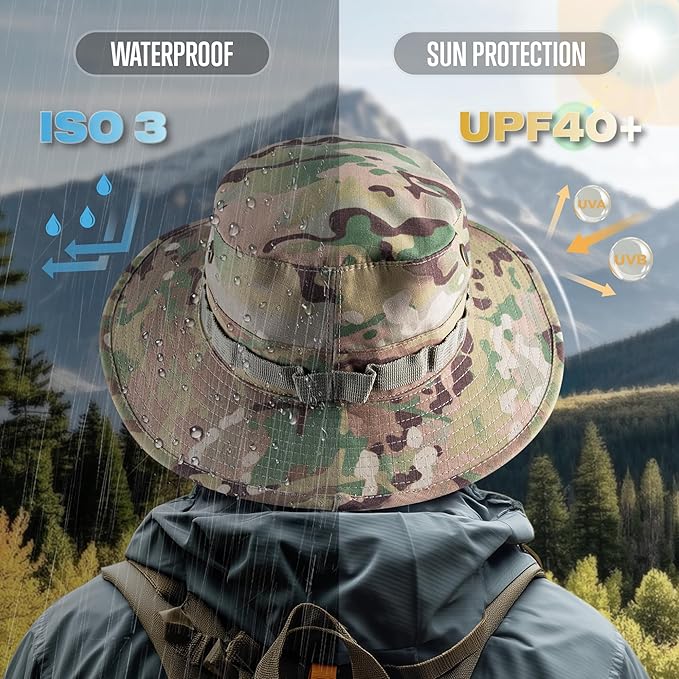
Where to Buy: Amazon, Walmart, Cabela’s, and hunting specialty stores stock extensive face concealment options at various price points.
Concealment Techniques Beyond Gear
Even the best camouflage gear won’t help if your fieldcraft is poor. Effective concealment combines equipment with smart techniques that minimize your detectability.
Movement Discipline
Wildlife detects movement more readily than static shapes. When wearing camouflage, move in slow, deliberate motions rather than quick adjustments. If an animal looks in your direction, freeze completely until it resumes normal behavior. This single technique can mean the difference between a spooked subject and a cooperative one.
When you must move, do so when the animal’s attention is diverted, such as when it’s feeding with its head down or preening. Time your movements to natural distractions like wind gusts that rustle vegetation, masking your minor movements.
Background Selection
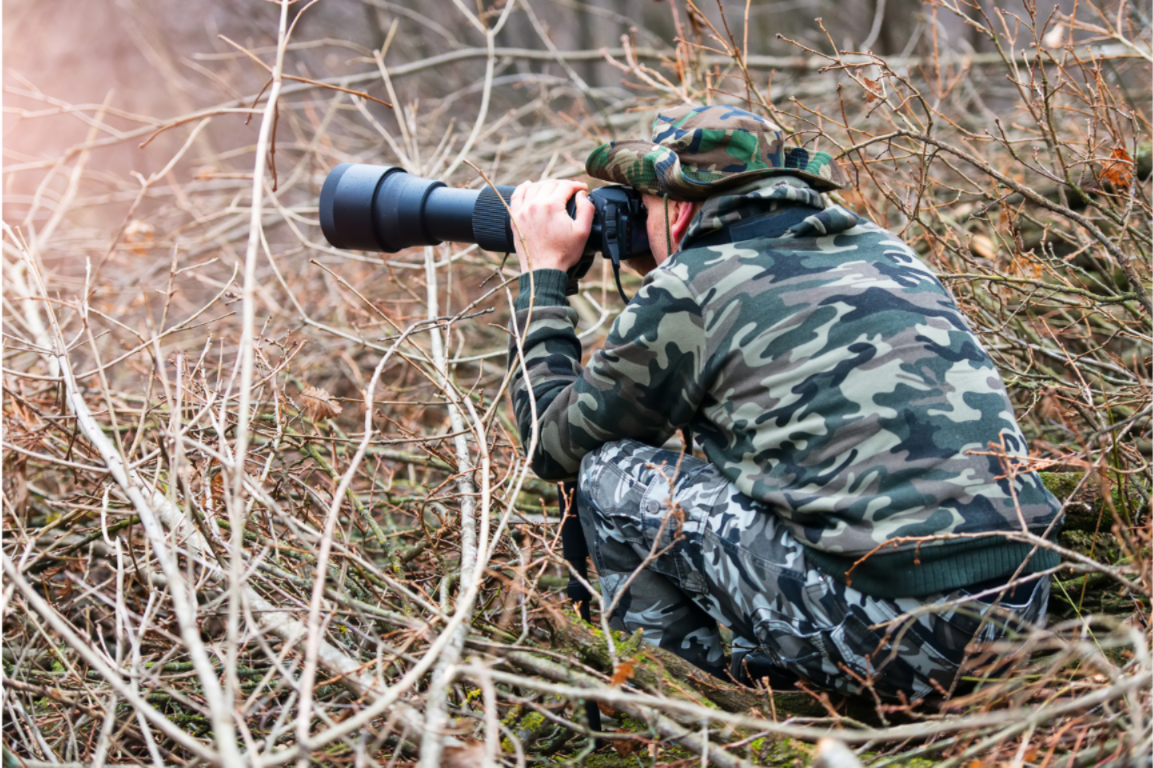
Position yourself against backgrounds that match your camo pattern. If wearing woodland camo, situate yourself in front of trees or brush rather than against open sky where you’ll silhouette. Use terrain depressions, fallen logs, and rock formations as natural blinds that supplement your camouflage.
The edge of light and shadow is particularly effective as it naturally breaks up outlines and makes detection more difficult.
Scent Control
While visual camouflage is paramount for photography, scent control matters for mammals with keen noses like deer, bears, and predators. Wash camo clothing in scent-free detergent like Dead Down Wind or Wildlife Research Scent Killer. Store clean clothes in sealed bags with earth-scented wafers until your shoot.
Shower with scent-eliminating soap before heading out and avoid strong-smelling foods, colognes, or lotions. Scent elimination spray applied to boots and gear provides an additional layer of protection.
Sound Discipline
Modern camera shutters and autofocus motors create distinctive sounds that alarm wildlife. Many cameras offer silent or electronic shutter modes that dramatically reduce click noise. Enable these modes when shooting nervous subjects.
Avoid gear that rattles, clicks, or scrapes. Use fabric wraps or tape to silence metal buckles and zippers. When changing lenses or accessing gear in a camera bag, do so slowly and deliberately, minimizing any shuffling or rustling.
Seasonal Considerations for Camouflage
Your concealment needs change dramatically with seasons, requiring adjustments to both pattern and strategy.
Spring Photography
Spring brings vibrant greens and new growth. Lighter green patterns work well, though transition zones between winter brown and summer green can be challenging. Consider layering a green ghillie vest over brown base clothing to bridge the seasonal shift.
Spring is prime time for bird photography as migratory species return and nesting behaviors begin. Setup blinds near known nesting areas well before birds arrive so the structures are familiar parts of the landscape.
Summer Photography
Dense foliage provides natural cover but also creates dark shadows within forests. Darker green patterns with shadow elements work best. The challenge in summer is heat management. Prioritize breathable fabrics and lightweight designs even if it means slight concealment compromises.
Early morning and evening golden hour shooting reduces heat stress while providing the best light for photography. Wildlife is more active during these cooler periods anyway.
Fall Photography
Autumn colors create concealment challenges as greens transition to yellows, oranges, and browns. Mossy Oak Break-Up Country and Realtree Edge handle seasonal transitions better than specialized patterns.
Fall is peak time for mammal photography as deer, elk, and other species engage in breeding behaviors. This is when camouflage and concealment pay the biggest dividends, as animals are preoccupied but still highly alert to threats.
Winter Photography
In snow-covered environments, traditional camo patterns are useless. Snow camo patterns or simple white covering are essential. A white painter’s suit over normal camo provides an inexpensive snow concealment solution.
The advantage of winter photography is that cold temperatures make scent control less critical as odors don’t disperse as readily. However, sound discipline becomes more important as frozen ground and snow amplify every crunch and shuffle.
Building Your Camouflage Kit: Budget-Friendly Approach
You don’t need to spend thousands on camouflage gear to be effective. Start with essentials and expand as your photography style and primary subjects dictate.
Essential Starter Kit ($200-300)
- Basic camo shirt and pants in a versatile pattern like Realtree Edge
- Lens cover for your primary telephoto lens
- Simple face mask or camo paint
- Camo hat or boonie
- Camo tape for tripod and accessories
This foundation provides solid concealment for most situations while you develop your technique and identify specific needs.
Intermediate Kit Addition ($400-600)
- Quality outer layer jacket for weather protection
- Hub-style ground blind for stationary work
- Ghillie poncho or cape for enhanced concealment
- Camera body wrap
- Pattern-specific clothing for your primary shooting environment
Advanced Kit ($1000+)
- Multiple pattern clothing for different environments
- Full ghillie suit for specialized situations
- Premium blind with multiple windows
- Complete LensCoat system for all lenses
- Scent control products and storage system
Build your kit over time, prioritizing items that address your specific weaknesses or shooting situations. A bird photographer will invest differently than someone focused on big game mammals.
Top Retailers for Camouflage Photography Gear
National Chains
Cabela’s and Bass Pro Shops offer the widest in-store selection of camouflage clothing, blinds, and accessories. Their frequent sales and member discounts can significantly reduce costs. Staff typically have hunting backgrounds and can provide pattern recommendations for regional environments.
REI carries a more limited selection focused on photography and birding, with brands like Sitka and some specialty items, though their camo selection is smaller than dedicated outdoor retailers.
Online Specialists
For wildlife photographers serious about getting within striking distance of their subjects, a ghillie suit is the ultimate concealment tool. The QuikCamo Mossy Oak 3D Leafy Camo Ghillie Suit is a top-rated option — Amazon’s Choice with 4.6 stars, featuring breathable mesh, quiet fabric, and zippered pockets. At $123 it’s a serious investment, but for bird and deer photography where proximity is everything, it pays for itself in the shots you’d never get otherwise.
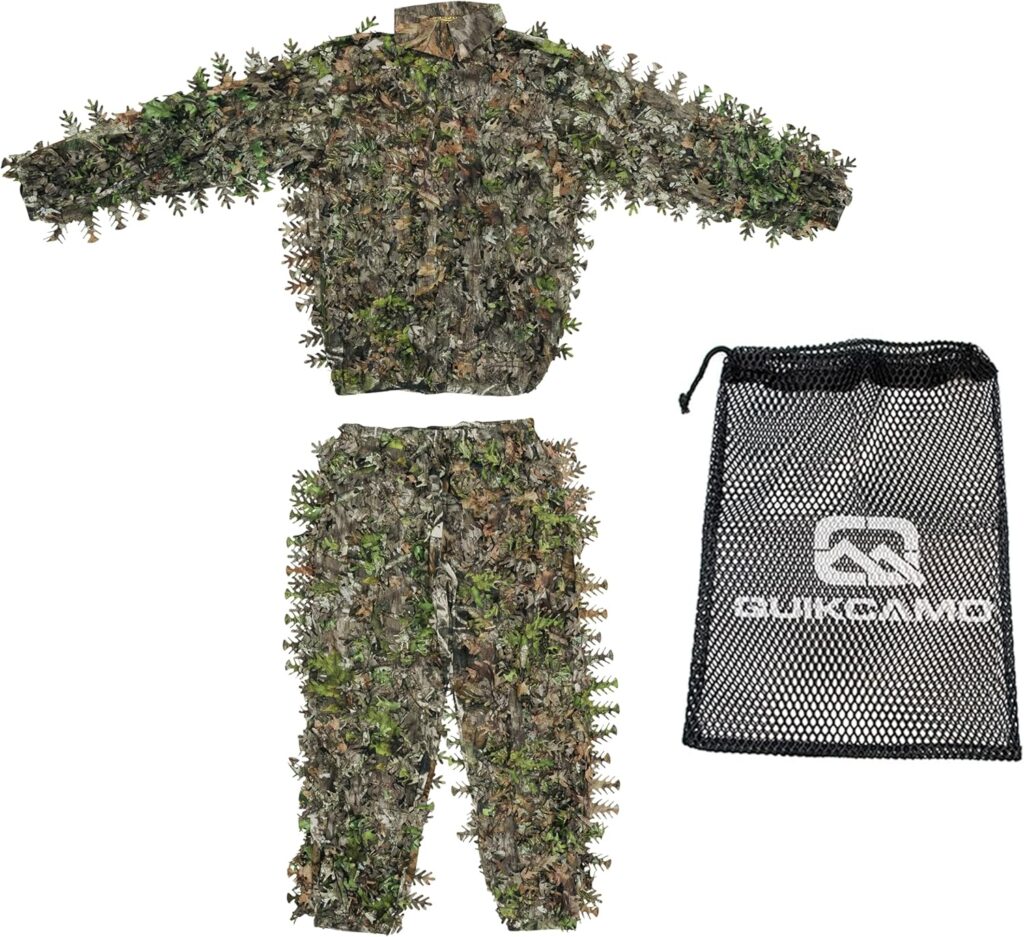
B&H Photo and Adorama excel in photography-specific camouflage like lens covers, camera wraps, and specialized blinds. Their detailed product descriptions and reviews help you make informed decisions.
OpticsPlanet specializes in outdoor tactical gear including extensive camouflage selections. Their frequent sales and coupon codes can yield significant savings.
Direct from Manufacturers
Buying directly from Sitka Gear, LensCoat, and Barronett Blinds ensures you’re getting genuine products with full warranty support. Many manufacturers offer bundle deals not available through retailers.
Buying Used
Quality camouflage gear holds value well and can be found used through eBay, Craigslist, and Facebook Marketplace. Blinds, in particular, are often sold by hunters upgrading to newer models at 40-50% off retail prices. Inspect carefully for tears, broken zippers, and frame damage before purchasing.
Common Camouflage Mistakes to Avoid
Even experienced photographers make concealment errors that limit their success. Avoid these common pitfalls:
Over-Packing
More camo isn’t always better. A full ghillie suit with every accessory becomes burdensome when hiking to remote locations. Match your gear to the specific shoot requirements rather than bringing everything every time.
Pattern Mismatching
Mixing multiple camo patterns creates visual chaos that can actually make you more visible. Stick with one pattern family or coordinate carefully between brands.
Ignoring Your Backpack
Photographers often invest in full-body camo while carrying a bright blue or orange backpack. Your entire profile needs concealment. Either camo-wrap your pack with tape or purchase a camo-pattern outdoor pack.
Shiny Accessories
Belt buckles, watch faces, jewelry, and even shiny tripod clips can catch light and alert animals. Cover or replace these items with subdued alternatives. A piece of camo tape over a watch face takes seconds and eliminates a major detection risk.
Poor Hygiene
Wearing perfect camouflage while reeking of cologne, cigarette smoke, or yesterday’s burger defeats the purpose when photographing mammals. Scent discipline is part of complete concealment.
Ethical Considerations in Wildlife Photography
Camouflage allows unprecedented access to wildlife, which comes with ethical responsibilities. Your presence, even when undetected, can impact animal behavior and welfare.
Respecting Boundaries
Just because you can get closer doesn’t mean you should. Maintain ethical distances that don’t stress or alter animal behavior. If an animal changes behavior, vocalizes alarm calls, or moves away from preferred habitat, you’re too close regardless of your concealment.
Nesting Season Caution
Be especially careful around nesting birds and denning mammals. While blinds allow close observation of nesting behaviors, your presence can cause nest abandonment or make adults vulnerable to predators. Many species are legally protected during nesting season with approach distance regulations.
Leave No Trace
Ground blinds can damage vegetation if left too long or improperly placed. When removing a blind, restore the area as much as possible. Don’t cut branches or clear excessive vegetation to create shooting lanes; work with natural openings instead.
Property Rights
Camouflage doesn’t grant you permission to trespass. Always secure proper permissions before setting blinds on private property. On public lands, follow all regulations regarding blind placement and duration.
Conclusion: Mastering the Art of Invisibility
Camouflage and concealment elevate wildlife photography from opportunistic snapshots to intentional artistry. Investing in the right gear pays off, enabling dramatic images that would be impossible if your subjects can see you.
Start with versatile clothing in a pattern that matches your primary shooting environment. Next, add lens concealment for your telephoto glass, which is often the most obvious visual giveaway. As your skills develop, expand your kit with blinds, ghillie accessories, and specialized items that complement your shooting style.
Remember, gear alone won’t make you invisible. Combine quality camouflage with smart fieldcraft, controlled movement, and scent management. Study your subjects’ behavior and sensory capabilities: deer rely heavily on scent and motion detection, while birds are primarily visual. Adjust your approach accordingly to stay undetected.
The goal isn’t to deceive wildlife, but to minimize your presence and allow animals to behave naturally. Proper camouflage lets you document authentic behaviors, capturing images that reveal the true essence of your subjects rather than their alarm responses.
With the right techniques and equipment, you can disappear into the landscape, emerging only with photographs that few others could capture. The wildlife you seek will approach, unaware of the photographer hidden in bushes, blinds, or shadows, capturing their world in all its natural beauty.
Coming Up Next: Ready for the Field — Clothing That Works as Hard as Your Camouflage
Blending into the landscape is only half the battle. The best wildlife photographers also dress for the conditions — because rain, cold, heat, and rough terrain don’t care how well concealed you are. A perfectly camouflaged photographer who’s freezing, soaked, or overheating will pack up and leave long before the best action happens.
Real concealment isn’t just about pattern. It’s about staying comfortable enough to stay still, stay quiet, and stay long enough to get the shot.
We cover this in depth in our complete seasonal clothing guide — base layers, mid layers, shells, boots, gloves and accessories season by season, with honest recommendations for both men and women:
The Wildlife Photographer’s Complete Seasonal Clothing Guide →